


Bearing steel sand, a remarkable abrasive material, has gained significant attention in the field of rust removal. As a trusted supplier of bearing steel sand, I am excited to share insights into how this product performs in the process of removing rust.
The Characteristics of Bearing Steel Sand
Bearing steel sand is known for its high hardness and excellent wear - resistance. It is typically made from high - quality bearing steel, which undergoes a series of manufacturing processes to ensure its uniformity and durability. The hardness of bearing steel sand allows it to effectively break down rust layers on various surfaces.
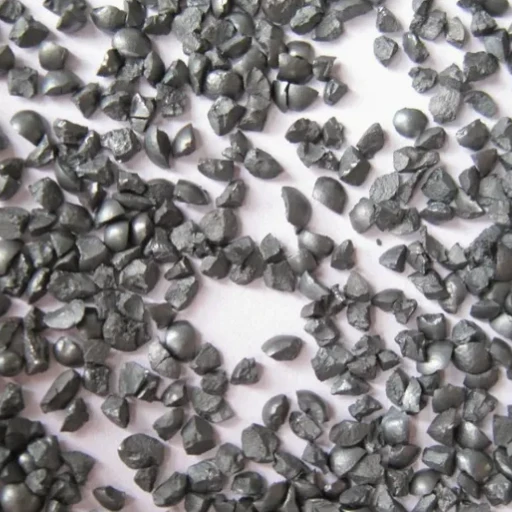
One of the key features of bearing steel sand is its angular shape. The angular particles can penetrate the rust layer more effectively compared to round - shaped abrasives. When the bearing steel sand impacts the rusted surface, these sharp edges dig into the rust, chipping it away piece by piece. This makes the rust removal process more efficient and thorough.
How Bearing Steel Sand Removes Rust
Impact and Abrasion
When bearing steel sand is propelled onto a rusted surface, such as a metal component, the high - speed impact of the sand particles against the rust creates a mechanical force. This force causes the rust to break off from the surface. The abrasion action of the sand further polishes the surface, removing any remaining rust and leaving a clean, smooth finish.
For example, in industrial settings where large metal structures are prone to rusting, bearing steel sand can be used in sandblasting equipment. The sand is accelerated through a nozzle and directed at the rusted area. The continuous impact of the sand particles gradually erodes the rust, revealing the underlying metal.
Chemical and Physical Interaction
In addition to the mechanical action, there is also a certain degree of chemical and physical interaction between the bearing steel sand and the rust. The iron in the bearing steel sand can react with the iron oxides in the rust under certain conditions. This reaction can help to loosen the rust from the surface, making it easier to remove.
Moreover, the heat generated during the high - speed impact of the sand particles can also have an effect on the rust. The heat can cause the rust to expand and crack, facilitating its removal.
Performance in Different Rust - Removal Scenarios
Light Rust
When dealing with light rust, bearing steel sand can quickly and effectively remove the rust layer. The fine particles of the sand can reach into small crevices and pores on the surface, ensuring that all the rust is removed. For instance, on small metal parts like nuts and bolts, a short - duration sandblasting with bearing steel sand can restore them to their original state.
Heavy Rust
In the case of heavy rust, bearing steel sand also shows excellent performance. Although it may take a longer time and more sand to remove thick rust layers, the high hardness and angular shape of the sand make it capable of breaking through the dense rust. For large - scale industrial equipment with heavy rust, multiple passes of sandblasting with bearing steel sand can gradually remove the rust and prepare the surface for further treatment, such as painting or coating.
Comparison with Other Abrasive Materials
Compared to Sand
Traditional sand is a common abrasive material, but it has some limitations in rust removal. Sand particles are often less hard than bearing steel sand, which means they may not be as effective in breaking down thick rust layers. Additionally, sand can be more likely to break into smaller particles during the rust - removal process, leading to a less efficient and more wasteful operation.
Compared to Other Steel - Based Abrasives
There are other steel - based abrasives available in the market, such as GH 16 Steel Grit, Steel Abrasive Grit, and GP 25 Steel Grit. While these abrasives also have good rust - removal capabilities, bearing steel sand has its unique advantages. Bearing steel sand is specifically designed for high - performance applications, with a more uniform particle size and better wear - resistance. This makes it more suitable for long - term and high - intensity rust - removal tasks.
Factors Affecting the Performance of Bearing Steel Sand in Rust Removal
Particle Size
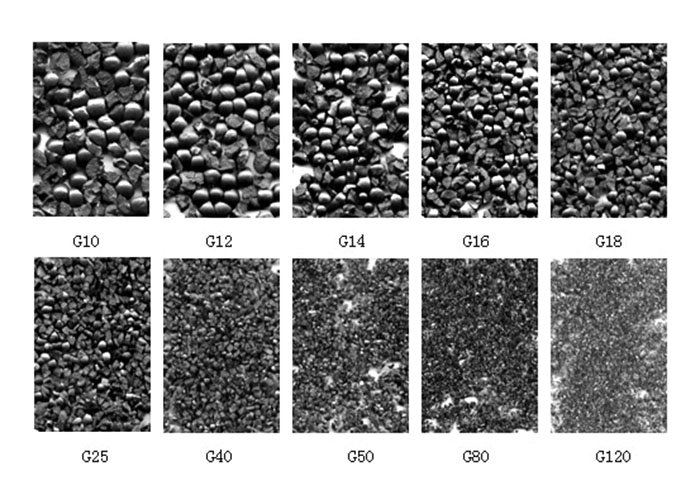
The particle size of bearing steel sand plays a crucial role in rust removal. Smaller particles are more suitable for removing light rust and for finishing the surface after rust removal. They can provide a smoother finish. Larger particles, on the other hand, are more effective in removing heavy rust as they have more impact force.
Impact Speed
The speed at which the bearing steel sand is propelled onto the rusted surface also affects its performance. A higher impact speed generally leads to more efficient rust removal. However, if the speed is too high, it may cause damage to the underlying metal surface. Therefore, it is important to adjust the impact speed according to the type and thickness of the rust.
Surface Condition
The initial condition of the rusted surface also matters. If the surface has a lot of contaminants in addition to rust, such as oil or dirt, it may affect the performance of the bearing steel sand. In such cases, it may be necessary to pre - clean the surface before using the bearing steel sand for rust removal.
Applications of Bearing Steel Sand in Rust Removal
Automotive Industry
In the automotive industry, bearing steel sand is widely used for rust removal on car bodies, engine parts, and other metal components. It can effectively remove rust and prepare the surfaces for painting or other treatments, ensuring the quality and durability of the automotive products.
Shipbuilding Industry
Ships are constantly exposed to a harsh marine environment, which makes them prone to rusting. Bearing steel sand is used to remove rust from ship hulls, decks, and other metal structures. This helps to maintain the structural integrity of the ships and prevent further corrosion.
Construction Industry
In the construction industry, bearing steel sand can be used to remove rust from steel beams, columns, and other metal structures. It ensures that the metal components are in good condition before they are used in construction projects, improving the safety and durability of the buildings.
Conclusion
Bearing steel sand is a highly effective material for rust removal. Its unique characteristics, such as high hardness, angular shape, and excellent wear - resistance, make it a preferred choice in various industries. Whether it is light rust or heavy rust, bearing steel sand can perform well and provide a clean and smooth surface.
If you are in need of high - quality bearing steel sand for rust removal or other abrasive applications, I invite you to contact me for a detailed discussion. We can explore the best solutions for your specific needs and ensure that you get the most out of our bearing steel sand products.
References
- Smith, J. (2018). Abrasive Materials in Industrial Rust Removal. Journal of Industrial Materials, 25(3), 123 - 135.
- Johnson, A. (2019). The Performance of Steel - Based Abrasives in Rust Removal. International Journal of Abrasive Technology, 18(2), 78 - 90.


