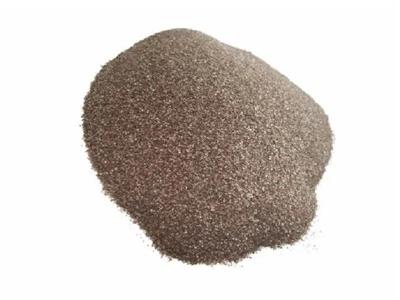
As a supplier of G18 Steel Grit, I've witnessed firsthand the dynamic nature of the pricing within the industry. The price of G18 Steel Grit isn't static; it fluctuates due to a multitude of factors. Understanding these factors is crucial for both suppliers and buyers, as it allows for more informed decision - making in the market.
Raw Material Costs
The primary component of G18 Steel Grit is steel, and the cost of steel is subject to significant fluctuations. Global steel prices are influenced by the supply and demand dynamics in the steel market. For example, if there's a surge in infrastructure projects worldwide, the demand for steel increases. This heightened demand can deplete steel inventories, causing prices to rise.
Moreover, the cost of iron ore, the main raw material for steel production, plays a vital role. Iron ore prices are affected by mining disruptions, geopolitical issues in major ore - producing regions, and changes in production capacities of mining companies. A natural disaster in an iron - ore - rich country can disrupt mining operations, leading to a decrease in supply and subsequent increase in iron ore prices. Since steel production relies heavily on iron ore, these price hikes trickle down to the cost of G18 Steel Grit.
Production Process and Technology
The manufacturing process of G18 Steel Grit is complex and requires specific equipment and expertise. The efficiency of the production process can significantly impact the price. Advanced production technologies often lead to lower production costs. For instance, modern melting and granulation technologies can reduce energy consumption and waste during the production of G18 Steel Grit.
On the other hand, if a supplier is using outdated equipment, the production process may be less efficient, resulting in higher costs. This inefficiency can be due to higher energy usage, more frequent breakdowns, and lower production volumes. Consequently, suppliers using such outdated methods may need to charge more for their G18 Steel Grit to maintain profitability.
Quality and Specifications
The quality of G18 Steel Grit is a major determinant of its price. High - quality G18 Steel Grit has a consistent particle size, shape, and hardness. To achieve these high - quality standards, suppliers need to implement strict quality control measures throughout the production process.
For example, a more uniform particle size ensures better performance in surface - treatment applications. If the particle size varies too much, it can lead to inconsistent surface finishes. Achieving this uniformity requires additional screening and sorting processes, which add to the production cost.


In addition, the hardness of G18 Steel Grit affects its durability. Harder grits can withstand more impacts and abrasions, making them suitable for harsher applications. However, producing harder grits often requires specialized heat - treatment processes, which also increase the cost.
Market Demand and Supply
The basic economic principle of supply and demand has a direct impact on the price of G18 Steel Grit. When the demand for G18 Steel Grit is high, and the supply is limited, prices tend to rise. This situation can occur during periods of increased industrial activity, such as in the construction, automotive, and ship - building industries.
Conversely, if the supply of G18 Steel Grit exceeds the demand, prices will fall. This might happen if new suppliers enter the market or existing suppliers increase their production capacities without a corresponding increase in demand.
Transportation and Logistics
The cost of transporting G18 Steel Grit from the production facility to the end - user is another important factor influencing the price. The distance between the production site and the customer, the mode of transportation, and current fuel prices all play a role.
For overseas customers, international shipping costs can be a significant part of the total price. Fluctuations in fuel prices can cause shipping costs to vary widely. Additionally, customs duties and import/export regulations in different countries can add to the overall cost of getting G18 Steel Grit to the customer.
Competition in the Market
The level of competition among G18 Steel Grit suppliers also affects pricing. In a highly competitive market, suppliers may lower their prices to attract customers. They may also offer additional value - added services, such as free samples or better customer support.
Larger suppliers may have an advantage in terms of economies of scale. They can produce G18 Steel Grit at a lower cost per unit due to their large - scale production facilities. This allows them to offer more competitive prices compared to smaller suppliers. However, smaller suppliers may differentiate themselves by providing more personalized service or focusing on niche markets.
Industry Regulations and Standards
Compliance with industry regulations and standards is a must for G18 Steel Grit suppliers. These regulations cover aspects such as environmental protection, product safety, and quality. For example, environmental regulations may require suppliers to reduce emissions during the production process or properly dispose of waste products.
Meeting these regulations may involve investing in new equipment or processes, which can increase the production cost. As a result, suppliers may pass on some of these costs to the customers, leading to a higher price for G18 Steel Grit.
Substitute Products
The availability and prices of substitute products can influence the price of G18 Steel Grit. There are other types of abrasives in the market, such as GL 12 Steel Grit, GP 40 Steel Grit, and GL 80 Steel Grit. If the prices of these substitute products are lower and they offer similar performance, some customers may switch to them.
To remain competitive, suppliers of G18 Steel Grit may need to adjust their prices accordingly. This is especially true if the substitute products are more readily available or have better brand recognition in the market.
In conclusion, the price of G18 Steel Grit is influenced by a wide range of factors, from raw material costs and production processes to market demand and competition. As a supplier, I'm constantly monitoring these factors to ensure that we can offer our customers the best possible prices without compromising on quality.
If you're in need of G18 Steel Grit or have any questions about our products, I encourage you to reach out to discuss your specific requirements. We're here to work with you to find the most suitable solution for your needs.
References
- "Steel Industry Handbook" - A comprehensive guide on the global steel industry, including factors affecting steel prices.
- "Abrasive Materials and Their Applications" - A technical book that details the production, properties, and pricing of various abrasive products.
- Industry reports from leading market research firms on the abrasives market, which analyze supply - demand dynamics and price trends.