Hey there! As a supplier of steel abrasives, I often get asked about the differences between steel abrasives and aluminum oxide abrasives. So, I thought I'd write this blog to break it down for you in a simple and easy - to - understand way.
Physical Properties
Let's start with the physical properties. Steel abrasives, like the Steel Grit we offer, are known for their high density. Steel is a heavy - weight material, and this density gives steel abrasives some unique advantages. When used in blasting operations, the high density allows them to pack a powerful punch. They can quickly remove tough coatings, rust, and scale from surfaces.
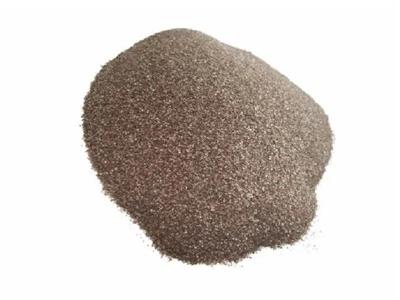
On the other hand, aluminum oxide abrasives are much lighter. They have a porous structure, which gives them a lower density compared to steel. This lighter weight makes them more suitable for applications where you don't want to damage the underlying surface too much. For example, if you're working on a delicate metal part that needs a light cleaning or a smooth finish, aluminum oxide can be a great choice.
Hardness and Durability
Hardness is a key factor when it comes to abrasives. Steel abrasives are extremely hard. They're made from high - quality steel alloys that can withstand a lot of wear and tear. This hardness means they can cut through thick layers of contaminants efficiently. Our GL 25 Steel Grit and GP 16 Steel Grit are prime examples of hard - working steel abrasives. They can be reused multiple times in blasting operations because they don't break down easily.
Aluminum oxide abrasives also have a good level of hardness, but they're not as hard as steel. They're more brittle in comparison. While this brittleness can be an advantage in some cases, as it allows the abrasive to self - sharpen, it also means that they wear out faster than steel abrasives. So, if you're looking for an abrasive that can handle long - term, heavy - duty use, steel is the way to go.
Cost and Efficiency
Cost is always a consideration in any industrial process. In general, steel abrasives tend to have a higher upfront cost compared to aluminum oxide abrasives. However, when you factor in the long - term efficiency, steel can be more cost - effective. Since steel abrasives can be reused many times, you'll end up using less of them over time. This reduces the overall cost per unit of work done.
Aluminum oxide, being less durable, needs to be replaced more often. This can add up in terms of cost, especially for large - scale operations. But if your project is small and doesn't require a high - volume of abrasive use, the lower upfront cost of aluminum oxide might make it a more attractive option.
Surface Finish
The surface finish you want to achieve is another important difference. Steel abrasives typically leave a rougher surface finish. This is great for applications where you need a surface with good adhesion, like when you're going to apply a coating. The rough surface created by steel abrasives provides a better grip for the coating, ensuring a longer - lasting bond.
Aluminum oxide abrasives, on the other hand, can produce a smoother surface finish. They're often used in applications where a fine finish is required, such as in the aerospace or electronics industries. If you're working on a part that needs to have a precise and smooth surface, aluminum oxide will be your best bet.
Environmental Impact
When it comes to the environment, both steel and aluminum oxide abrasives have their pros and cons. Steel abrasives are made from recycled materials in many cases, which is a big plus. They're also non - toxic, so they don't pose a significant environmental threat. However, the production process of steel can be energy - intensive.
Aluminum oxide is also a relatively environmentally friendly option. It's made from bauxite, which is a common and abundant mineral. But the production of aluminum oxide can generate some waste products. And since it needs to be replaced more frequently, there's more waste generated in the long run.
Applications
The differences in properties lead to different applications for these two types of abrasives. Steel abrasives are widely used in industries like shipbuilding, automotive manufacturing, and construction. In shipbuilding, they're used to clean the hulls of ships, removing rust and old paint. In the automotive industry, they're used for surface preparation before painting or coating.
Aluminum oxide abrasives are popular in the woodworking, glass, and jewelry industries. In woodworking, they can be used to sand and finish wooden surfaces. In the glass industry, they're used for etching and polishing. And in the jewelry industry, they can be used to give a smooth and shiny finish to precious metals.


Which One Should You Choose?
So, which abrasive should you choose? Well, it depends on your specific needs. If you need to remove thick coatings, work on heavy - duty surfaces, and want a rough finish for better adhesion, steel abrasives are the clear winner. Our Steel Grit products are designed to meet these requirements and provide long - lasting performance.
On the other hand, if you're working on delicate materials, need a smooth finish, or have a smaller - scale project, aluminum oxide abrasives might be more suitable.
If you're still not sure which abrasive is right for your project, don't hesitate to reach out. We're here to help you make the best decision based on your specific situation. Whether you're a small - scale workshop or a large industrial manufacturer, we can provide the right steel abrasives for your needs. Contact us to start a conversation about your procurement requirements, and let's work together to find the perfect solution for your business!
References
- "Abrasive Technology Handbook", Industrial Press Inc.
- "Surface Preparation and Coating Application", ASM International