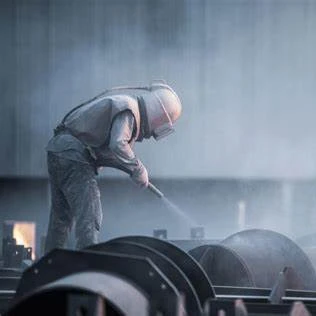
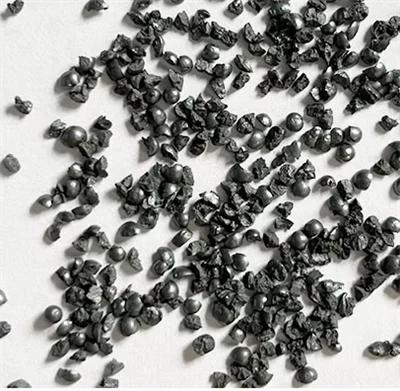
Steel shot abrasive is a crucial material in various industrial applications, especially in surface treatment processes. As a supplier of steel shot abrasive, I have witnessed firsthand how this material can significantly impact the strength of different materials. In this blog, I will delve into the ways in which steel shot abrasive affects the strength of materials, exploring the underlying mechanisms and practical implications.
Surface Hardening and Strengthening
One of the primary ways steel shot abrasive affects the strength of materials is through surface hardening. When steel shot is propelled at high speeds onto the surface of a material, it creates a series of small indentations and plastic deformations. This process, known as shot peening, induces compressive stresses in the surface layer of the material. Compressive stresses are beneficial because they help to resist the initiation and propagation of cracks, thereby increasing the material's fatigue strength.
For example, in the aerospace industry, shot peening with steel shot is commonly used to enhance the fatigue life of critical components such as turbine blades and landing gear. By introducing compressive stresses into the surface of these components, the risk of fatigue failure is significantly reduced, leading to improved safety and reliability.
The type of steel shot used can also influence the degree of surface hardening. Stainless Steel Shot is often preferred in applications where corrosion resistance is required. Its high chromium content not only provides excellent resistance to rust and oxidation but also contributes to the hardening effect. The hardness of stainless steel shot can be tailored to suit specific applications, allowing for precise control over the surface hardening process.
Removal of Surface Defects
Steel shot abrasive is also effective in removing surface defects such as scale, rust, and burrs. These defects can weaken the material by creating stress concentration points, which can lead to premature failure. By using steel shot to clean and smooth the surface, the material's strength can be improved.
In the automotive industry, for instance, steel shot is used to prepare the surface of engine components before painting or coating. Removing surface defects ensures a better adhesion of the coating, which in turn protects the component from corrosion and wear. This not only enhances the strength of the component but also extends its service life.


S230 Steel Shot is a popular choice for surface cleaning applications. It has a specific size and hardness that make it suitable for removing various types of surface contaminants. The spherical shape of the steel shot ensures a uniform cleaning action, minimizing the risk of damage to the underlying material.
Grain Refinement
Another way steel shot abrasive affects the strength of materials is through grain refinement. When steel shot impacts the surface of a material, it causes the grains in the surface layer to deform and break up into smaller grains. This process, known as grain refinement, can improve the material's strength and toughness.
Grain refinement occurs because smaller grains have a larger grain boundary area, which acts as a barrier to the movement of dislocations. Dislocations are defects in the crystal structure of a material that can cause plastic deformation. By restricting the movement of dislocations, grain refinement increases the material's resistance to deformation and improves its strength.
Double Quenched Steel Shot is often used to achieve grain refinement. The double quenching process results in a more uniform and fine-grained structure, which enhances the shot's ability to induce grain refinement in the target material.
Impact on Different Materials
The effect of steel shot abrasive on the strength of materials can vary depending on the type of material being treated. For example, in metals, the surface hardening and grain refinement effects can significantly improve the material's strength and fatigue resistance. In polymers, however, the impact of steel shot abrasive may be different.
In polymers, steel shot abrasive can be used to roughen the surface, which can improve the adhesion of coatings or adhesives. This can enhance the overall strength of the polymer component by ensuring a better bond between the polymer and the coating or adhesive. However, excessive use of steel shot abrasive can also cause damage to the polymer surface, leading to a reduction in strength.
Practical Considerations
When using steel shot abrasive to improve the strength of materials, several practical considerations need to be taken into account. The size, hardness, and shape of the steel shot can all affect the treatment process and the resulting strength of the material. It is important to select the appropriate steel shot for the specific application to achieve the desired results.
The intensity of the shot peening process also needs to be carefully controlled. Too much shot peening can cause excessive deformation and damage to the material, while too little may not provide the desired strengthening effect. The distance between the shot peening nozzle and the material surface, as well as the angle of impact, can also influence the effectiveness of the treatment.
Conclusion
In conclusion, steel shot abrasive can have a significant impact on the strength of materials through surface hardening, removal of surface defects, and grain refinement. As a supplier of steel shot abrasive, I understand the importance of providing high-quality products that meet the specific needs of different industries. Whether you are in the aerospace, automotive, or any other industry, steel shot abrasive can be a valuable tool for improving the strength and performance of your materials.
If you are interested in learning more about how steel shot abrasive can benefit your applications or if you would like to discuss your specific requirements, please feel free to contact us for a detailed consultation. We are committed to providing the best solutions for your surface treatment needs.
References
-ASM Handbook, Volume 5: Surface Engineering
- Shot Peening: Fundamentals and Applications, by John A. Black
- Metal Finishing Guidebook, by Paul A. Schweitzer