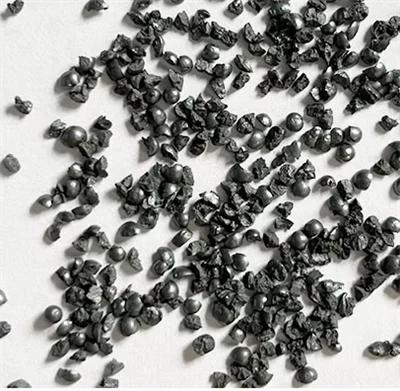
As a supplier of Ribbon Abrasive, I've witnessed firsthand the importance of cutting efficiency in various industries. Whether it's in metalworking, woodworking, or even in the production of precision parts, the ability to cut quickly and accurately can significantly impact productivity and profitability. In this blog post, I'll share some insights on how to improve the cutting efficiency of ribbon abrasive, drawing from my experience and industry knowledge.
Understanding the Basics of Ribbon Abrasive
Before delving into ways to improve cutting efficiency, it's essential to understand what ribbon abrasive is. Ribbon abrasive is a type of coated abrasive, which consists of an abrasive grain bonded to a flexible backing material. The abrasive grains can vary, including White Corundum, silicon carbide, and Bearing Steel Sand, each offering different cutting properties. The backing material is usually paper, cloth, or a combination of both, providing flexibility and durability.
The cutting action of ribbon abrasive occurs when the abrasive grains come into contact with the workpiece. As the ribbon moves across the surface, the grains remove material through a combination of scratching and grinding. The efficiency of this process depends on several factors, including the type of abrasive grain, the grit size, the bond strength, and the operating conditions.
Selecting the Right Abrasive Grain
The choice of abrasive grain is crucial in determining the cutting efficiency of ribbon abrasive. Different abrasive grains have different hardness, toughness, and cutting characteristics. For example, White Corundum is a popular choice for cutting ferrous metals due to its high hardness and self - sharpening properties. It can maintain a sharp cutting edge for an extended period, resulting in faster cutting speeds and longer tool life.
On the other hand, silicon carbide is more suitable for non - ferrous metals, ceramics, and glass. It has a lower hardness than white corundum but is more brittle, which allows it to break down and expose new cutting edges during the cutting process. Bearing Steel Sand is often used in applications where high - precision cutting is required, as it can provide a smooth finish.
When selecting an abrasive grain, consider the type of material you'll be cutting, the required surface finish, and the cutting speed. Matching the abrasive grain to the workpiece material ensures optimal cutting performance.
Choosing the Appropriate Grit Size
The grit size of the abrasive grain also plays a significant role in cutting efficiency. Grit size refers to the size of the individual abrasive particles. A larger grit size (e.g., 24 - 60 grit) is coarser and is suitable for rapid material removal. It can cut through thick layers of material quickly but may leave a rougher surface finish.
A smaller grit size (e.g., 100 - 400 grit) is finer and is used for finishing operations. It can produce a smoother surface finish but may require more passes to remove the same amount of material. To improve cutting efficiency, start with a coarser grit size to remove the bulk of the material and then switch to a finer grit size for the final finish.
Optimizing the Bond Strength
The bond strength of the ribbon abrasive refers to how tightly the abrasive grains are held to the backing material. A strong bond is necessary to prevent the grains from falling off prematurely during the cutting process. However, if the bond is too strong, the worn - out grains may not break away, reducing the cutting efficiency.
The ideal bond strength depends on the type of application, the cutting speed, and the pressure applied. For high - speed cutting operations, a stronger bond may be required to withstand the forces involved. In contrast, for more delicate operations, a weaker bond may be preferred to allow for easier grain replacement.


Controlling the Operating Conditions
The operating conditions, such as the cutting speed, feed rate, and pressure, can significantly affect the cutting efficiency of ribbon abrasive.
- Cutting Speed: The cutting speed is the speed at which the ribbon abrasive moves across the workpiece. A higher cutting speed generally results in faster material removal, but it can also increase the temperature and wear on the abrasive. It's important to find the optimal cutting speed for the specific application to balance between cutting efficiency and tool life.
- Feed Rate: The feed rate is the rate at which the workpiece is fed into the cutting tool. A higher feed rate can increase the material removal rate, but if it's too high, it may cause the abrasive to overload and reduce the cutting efficiency. Adjust the feed rate based on the type of material, the grit size, and the cutting speed.
- Pressure: Applying the right amount of pressure is crucial for efficient cutting. Too little pressure may result in insufficient cutting action, while too much pressure can cause the abrasive to wear out quickly. Use a consistent and appropriate pressure throughout the cutting process.
Maintaining the Ribbon Abrasive
Proper maintenance of the ribbon abrasive can also improve its cutting efficiency and extend its lifespan. Here are some maintenance tips:
- Keep the Abrasive Clean: Remove any debris or chips that may accumulate on the surface of the ribbon abrasive during the cutting process. This can prevent clogging and ensure consistent cutting performance.
- Store the Abrasive Properly: Store the ribbon abrasive in a dry and cool place to prevent the backing material from deteriorating and the abrasive grains from losing their cutting ability.
- Inspect the Abrasive Regularly: Check the ribbon abrasive for signs of wear, such as worn - out grains or damage to the backing material. Replace the abrasive when it reaches the end of its useful life.
Conclusion
Improving the cutting efficiency of ribbon abrasive requires a comprehensive approach that takes into account the selection of the right abrasive grain, grit size, bond strength, and the control of operating conditions. By understanding the basics of ribbon abrasive and implementing these strategies, you can achieve faster cutting speeds, longer tool life, and better surface finishes.
If you're interested in learning more about Ribbon Abrasive or have specific requirements for your cutting applications, I encourage you to reach out. We're here to provide you with the best solutions and help you optimize your cutting processes.
References
- "Abrasive Technology Handbook"
- Industry research reports on coated abrasives
- Technical documents from abrasive manufacturers