


In the realm of industrial materials, Cast Steel Shot stands as a crucial component in various applications, from surface preparation to shot peening. As a dedicated supplier of Cast Steel Shot, I've witnessed firsthand the significance of understanding the shot-to-shot variation in its properties. This variation can have a profound impact on the performance and effectiveness of the shot in different processes. In this blog post, I'll delve into the intricacies of shot-to-shot variation in the properties of Cast Steel Shot, exploring its causes, effects, and implications for users.
Understanding Cast Steel Shot
Before we dive into the topic of shot-to-shot variation, let's first establish a clear understanding of Cast Steel Shot. Cast Steel Shot is a spherical abrasive media made from molten steel that is atomized and cooled to form small, round particles. These particles are then heat-treated to achieve the desired hardness and toughness. Cast Steel Shot is known for its high density, durability, and consistent shape, making it an ideal choice for a wide range of applications.
One of the key advantages of Cast Steel Shot is its ability to provide a uniform and controlled impact on the surface being treated. This is particularly important in applications such as shot peening, where the goal is to introduce compressive stresses into the surface of a material to improve its fatigue resistance. By using Cast Steel Shot with consistent properties, manufacturers can ensure that the shot peening process is repeatable and reliable.
Causes of Shot-to-Shot Variation
Despite the efforts to produce Cast Steel Shot with consistent properties, there are several factors that can contribute to shot-to-shot variation. One of the primary causes of variation is the manufacturing process itself. The quality of the raw materials, the precision of the atomization process, and the heat treatment parameters can all have an impact on the properties of the final product.
For example, variations in the chemical composition of the steel can affect the hardness and toughness of the shot. If the steel contains impurities or if the alloying elements are not properly balanced, the shot may have inconsistent properties. Similarly, variations in the atomization process can result in differences in the size, shape, and density of the shot particles. These variations can affect the impact energy and the coverage rate of the shot, leading to inconsistent results in the application.
Another factor that can contribute to shot-to-shot variation is the wear and tear of the shot during use. As the shot is repeatedly used in a process, it can become deformed, fractured, or worn down. This can change the shape, size, and hardness of the shot particles, leading to variations in their performance. Additionally, the environment in which the shot is used can also have an impact on its properties. For example, exposure to high temperatures, corrosive chemicals, or abrasive materials can cause the shot to degrade more quickly, resulting in increased shot-to-shot variation.
Effects of Shot-to-Shot Variation
The shot-to-shot variation in the properties of Cast Steel Shot can have several effects on the performance and effectiveness of the shot in different applications. In shot peening, for example, variations in the hardness and size of the shot particles can affect the intensity and coverage of the peening process. If the shot is too hard or too large, it may cause excessive surface damage or over-peening, which can reduce the fatigue resistance of the material. On the other hand, if the shot is too soft or too small, it may not provide sufficient compressive stress to the surface, resulting in inadequate peening.
In surface preparation applications, shot-to-shot variation can also have a significant impact on the quality of the surface finish. Variations in the size and shape of the shot particles can result in uneven surface roughness, which can affect the adhesion of coatings and the appearance of the final product. Additionally, variations in the hardness of the shot can cause inconsistent material removal rates, leading to uneven surface profiles.
Implications for Users
For users of Cast Steel Shot, understanding the shot-to-shot variation in its properties is essential for ensuring the quality and consistency of their processes. By working with a reliable supplier who can provide detailed information about the properties of the shot and the measures taken to minimize variation, users can make informed decisions about the selection and use of the shot.
When selecting Cast Steel Shot, it's important to consider the specific requirements of the application. For example, in shot peening applications, the hardness and size of the shot should be carefully chosen to achieve the desired intensity and coverage. In surface preparation applications, the size and shape of the shot should be selected to provide the appropriate surface roughness and material removal rate.
In addition to selecting the right shot, users should also implement proper quality control measures to monitor the performance of the shot during use. This can include regular inspection of the shot particles for signs of wear and damage, as well as testing the surface finish and the properties of the treated material. By monitoring the performance of the shot, users can detect any changes in its properties and take appropriate action to ensure the consistency of the process.
Minimizing Shot-to-Shot Variation
As a supplier of Cast Steel Shot, we are committed to minimizing shot-to-shot variation and providing our customers with high-quality products. To achieve this, we employ a rigorous quality control system that includes strict raw material selection, precise manufacturing processes, and comprehensive testing procedures.
We carefully select the raw materials for our Cast Steel Shot to ensure that they meet the highest quality standards. Our steel is sourced from reputable suppliers and is carefully analyzed to ensure that it has the correct chemical composition and mechanical properties. During the manufacturing process, we use advanced atomization technology to produce shot particles with consistent size, shape, and density. We also carefully control the heat treatment parameters to ensure that the shot has the desired hardness and toughness.
In addition to our manufacturing processes, we also conduct comprehensive testing on our Cast Steel Shot to ensure that it meets the specifications of our customers. We use a variety of testing methods, including hardness testing, size analysis, and shape analysis, to verify the properties of the shot. We also conduct performance testing in our laboratory to ensure that the shot performs as expected in different applications.
Conclusion
In conclusion, the shot-to-shot variation in the properties of Cast Steel Shot is a complex issue that can have a significant impact on the performance and effectiveness of the shot in different applications. By understanding the causes and effects of shot-to-shot variation, users can take appropriate measures to minimize its impact and ensure the quality and consistency of their processes.
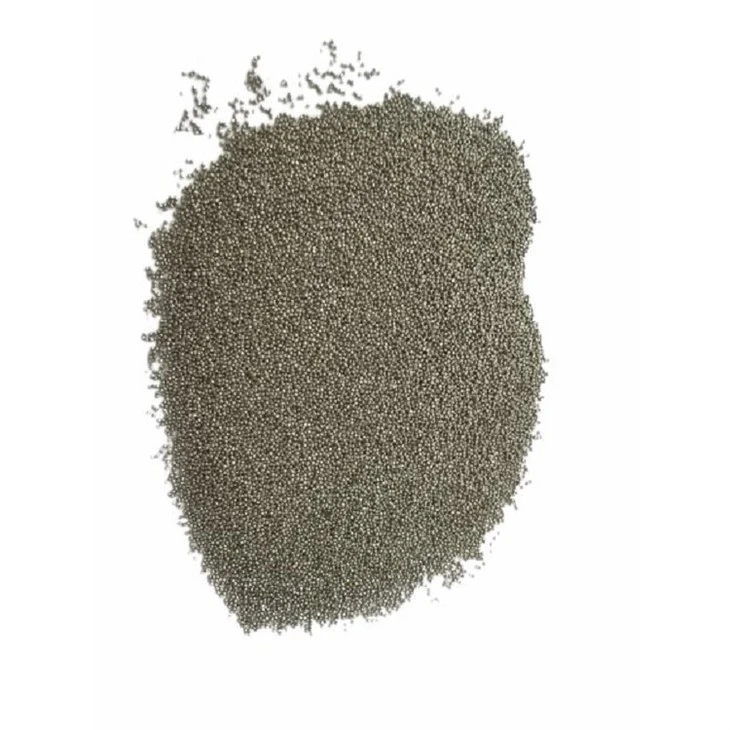

As a supplier of Cast Steel Shot, we are dedicated to providing our customers with high-quality products that meet their specific requirements. We believe that by working closely with our customers and providing them with the support and information they need, we can help them achieve their goals and improve the efficiency and effectiveness of their operations.
If you are interested in learning more about our Cast Steel Shot, Counter weight Steel Sand, or Stainless Steel Shot, or if you have any questions or concerns about shot-to-shot variation, please don't hesitate to contact us. We would be happy to discuss your needs and provide you with the solutions you need.
References
- ASTM International. (2019). Standard Specification for Steel Shot and Steel Grit for Use as Abrasive in Peening. ASTM A995/A995M-19.
- ASM Handbook Committee. (2007). ASM Handbook, Volume 5: Surface Engineering. ASM International.
- Shot Peening Handbook. (2003). Society of Automotive Engineers (SAE).


