



Sandpaper abrasive is a remarkable tool that has been used for centuries to transform rough surfaces into smooth, polished ones. As a leading supplier of high - quality sandpaper abrasives, I've witnessed firsthand the incredible capabilities of these products. In this blog, I'll delve into the science behind how sandpaper abrasive smooths rough surfaces, explore different types of abrasives, and discuss their applications.
The Science of Abrasion
At its core, the process of using sandpaper to smooth a surface is based on the principle of abrasion. Abrasion is the mechanical process of wearing away a material by friction. When sandpaper is rubbed against a rough surface, the abrasive particles on the sandpaper come into contact with the high points or asperities of the surface. These abrasive particles act like tiny cutting tools, gradually removing small amounts of material from the surface.
The effectiveness of sandpaper in smoothing a surface depends on several factors, including the size, shape, and hardness of the abrasive particles, as well as the pressure applied during the sanding process.
Abrasive Particle Size
The size of the abrasive particles on sandpaper is typically measured in grit. A lower grit number indicates larger abrasive particles, while a higher grit number means smaller particles. For example, 40 - grit sandpaper has relatively large particles and is used for heavy - duty material removal, such as removing paint or shaping wood. On the other hand, 600 - grit sandpaper has much smaller particles and is used for fine finishing and polishing.
When sanding a rough surface, it's common to start with a lower - grit sandpaper to quickly remove the bulk of the rough material. As the surface becomes smoother, progressively higher - grit sandpapers are used to refine the finish. This step - by - step approach ensures that the surface is smoothed evenly and efficiently.
Abrasive Particle Shape
The shape of the abrasive particles also plays a crucial role in the sanding process. Angular particles, such as those found in Black Silicon Carbide Abrasive, have sharp edges that can cut through materials more effectively. These are ideal for sanding hard materials like metal and glass. Rounded particles, on the other hand, are better suited for softer materials and can provide a more uniform finish.
Abrasive Particle Hardness
The hardness of the abrasive particles determines their ability to cut through different materials. For example, diamond is one of the hardest substances known and is used in high - performance sandpapers for cutting through extremely hard materials like ceramics and carbide. Other common abrasive materials include aluminum oxide, silicon carbide, and garnet.
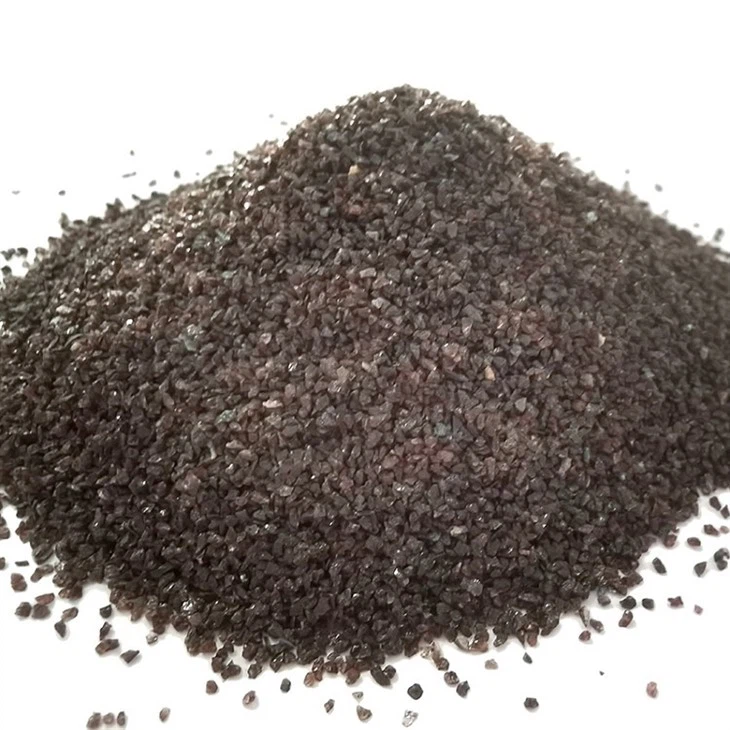
Aluminum oxide is a versatile abrasive that is suitable for sanding a wide range of materials, including wood, metal, and plastic. 325 Mesh Brown Corundum is a type of aluminum oxide abrasive that is widely used in industrial applications. Silicon carbide is harder than aluminum oxide and is particularly effective for sanding hard and brittle materials, such as stone and glass.

Types of Sandpaper Abrasives and Their Applications
There are several types of sandpaper abrasives available, each with its own unique properties and applications.
Aluminum Oxide Sandpaper
As mentioned earlier, aluminum oxide is a popular choice for sanding a variety of materials. It is durable, long - lasting, and can be used on both wood and metal surfaces. Aluminum oxide sandpaper is commonly used in woodworking for tasks such as sanding furniture, cabinets, and doors. In metalworking, it can be used for deburring, rust removal, and surface preparation.
Silicon Carbide Sandpaper
Silicon carbide sandpaper is known for its high hardness and sharp cutting edges. It is often used for sanding hard materials like stone, glass, and ceramics. In the automotive industry, silicon carbide sandpaper is used for sanding fiberglass body panels and for polishing metal parts. It is also used in the electronics industry for sanding semiconductor wafers.
Garnet Sandpaper
Garnet is a natural abrasive that is relatively soft compared to aluminum oxide and silicon carbide. It is commonly used for woodworking, especially for fine sanding and finishing. Garnet sandpaper produces a smooth finish and is less likely to clog compared to other types of sandpaper.
Water Jet Sand
Water jet sand is a specialized type of abrasive that is used in water jet cutting machines. These machines use a high - pressure stream of water mixed with abrasive particles to cut through a variety of materials, including metal, stone, and glass. Water jet sand is typically made from materials like garnet or aluminum oxide and is designed to be highly efficient in the cutting process.
The Sanding Process
To effectively smooth a rough surface using sandpaper abrasive, it's important to follow a proper sanding process.
- Surface Preparation: Before sanding, the surface should be cleaned to remove any dirt, dust, or debris. This ensures that the sandpaper can make direct contact with the surface and prevents the abrasive particles from getting clogged.
- Selecting the Right Sandpaper: Based on the material and the desired finish, choose the appropriate grit and type of sandpaper. As mentioned earlier, start with a lower - grit sandpaper for initial material removal and gradually move to higher - grit sandpapers for a finer finish.
- Sanding Technique: Apply even pressure when sanding and use a back - and - forth or circular motion. Avoid applying too much pressure in one area, as this can cause uneven sanding and damage to the surface. It's also important to keep the sandpaper flat against the surface to ensure a uniform finish.
- Intermediate Cleaning: Periodically clean the sandpaper and the surface being sanded to remove any accumulated dust and debris. This helps to maintain the cutting efficiency of the sandpaper.
- Final Finishing: Once the desired smoothness is achieved, the surface can be further refined using a fine - grit sandpaper or a polishing compound.
Conclusion
Sandpaper abrasive is a powerful and versatile tool for smoothing rough surfaces. By understanding the science behind abrasion, the different types of abrasives available, and the proper sanding techniques, you can achieve excellent results in a wide range of applications.
As a supplier of high - quality sandpaper abrasives, I'm committed to providing our customers with the best products and technical support. Whether you're a professional woodworker, metalworker, or a DIY enthusiast, we have the right abrasive solution for your needs. If you're interested in learning more about our products or have any questions about sanding, please don't hesitate to contact us for procurement and further discussions.
References
- Callister, W. D., & Rethwisch, D. G. (2012). Materials Science and Engineering: An Introduction. Wiley.
- Schey, J. A. (1987). Tribology in Metalworking: Friction, Lubrication, and Wear. ASM International.
- Wohlert, G. (2008). Sanding Techniques for Woodworkers. Popular Woodworking Books.


