



Sandpaper abrasive is a staple in many industries, from woodworking to metal fabrication. But have you ever wondered how it actually works? Well, I'm here to break it down for you. As a supplier of all kinds of sandpaper abrasives, I've seen firsthand how these tools can transform raw materials into finished products. So, let's dive into the science behind sandpaper abrasive and see what makes it tick.
The Basics of Sandpaper Abrasive
At its core, sandpaper abrasive consists of an abrasive material glued to a backing, usually paper, cloth, or film. The abrasive material is what does the real work, scratching and removing small particles from the surface of the material you're working on. There are several types of abrasive materials available, each with its own unique properties and applications.
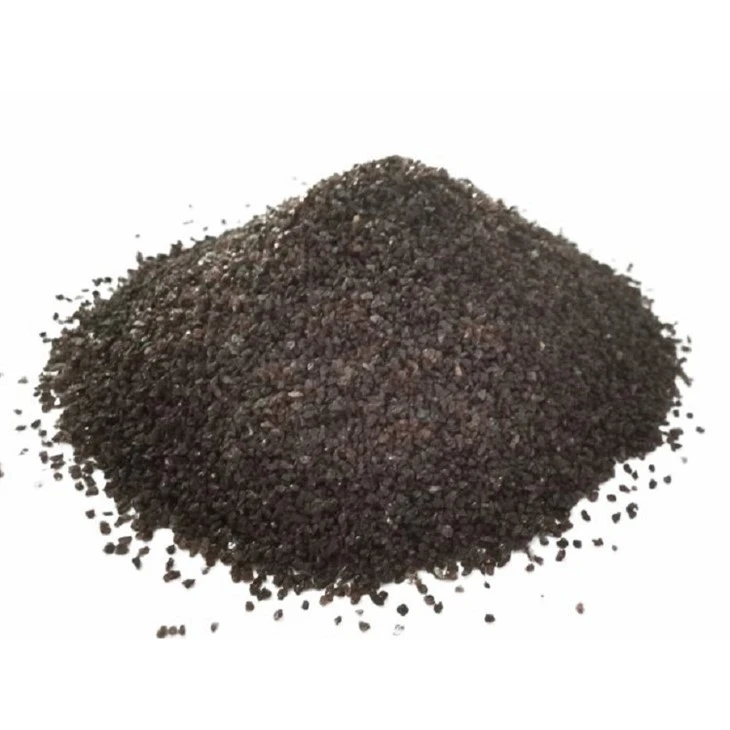
One of the most common abrasive materials is Brown Corundum. It's made from aluminum oxide and iron oxide, and it's known for its toughness and durability. Brown corundum is great for heavy-duty applications like grinding and rough sanding, where you need to remove a lot of material quickly.
Another popular option is Aluminum Oxide Abrasive. This is a synthetic abrasive that's very hard and sharp. It's often used for sanding wood, metal, and plastic, and it can be used for both wet and dry sanding. Aluminum oxide is known for its long life and consistent performance, making it a favorite among professionals.
Glass Beads for Blasting Sandblasting Glass Beads are also widely used. These are made from tiny glass spheres that are used for blasting applications. They're great for cleaning, deburring, and finishing surfaces, and they leave a smooth, uniform finish. Glass beads are non-toxic and environmentally friendly, which makes them a popular choice for many industries.
How Sandpaper Abrasive Works
The way sandpaper abrasive works is actually quite simple. When you rub the sandpaper against a surface, the abrasive particles on the paper come into contact with the material. These particles are harder than the surface you're working on, so they scratch and break off small pieces of the material. As you continue to sand, more and more particles are removed, and the surface becomes smoother and more even.
The key to successful sanding is to use the right grit of sandpaper. Grit refers to the size of the abrasive particles on the paper. A lower grit number means larger particles, which are better for removing a lot of material quickly. A higher grit number means smaller particles, which are better for fine finishing and polishing.
For example, if you're sanding a rough piece of wood, you might start with a low-grit sandpaper, like 60 or 80 grit, to remove the rough spots and shape the wood. Then, you can move on to a medium-grit sandpaper, like 120 or 150 grit, to smooth out the surface and prepare it for finishing. Finally, you can use a high-grit sandpaper, like 220 or 320 grit, to give the wood a super-smooth finish.
Factors Affecting Sandpaper Performance
There are several factors that can affect the performance of sandpaper abrasive. One of the most important is the pressure you apply when sanding. If you apply too much pressure, you can damage the surface you're working on and wear out the sandpaper more quickly. On the other hand, if you apply too little pressure, the sandpaper won't be effective at removing material.
The speed at which you sand also matters. If you sand too quickly, the sandpaper may not have enough time to remove the material properly, and you may end up with a rough or uneven surface. If you sand too slowly, you may waste time and energy, and the sandpaper may become clogged with debris.
The type of material you're sanding is another important factor. Different materials require different types of sandpaper and sanding techniques. For example, sanding metal requires a different approach than sanding wood. Metal is harder and more difficult to sand, so you may need to use a coarser grit sandpaper and apply more pressure. Wood, on the other hand, is softer and more forgiving, so you can use a finer grit sandpaper and apply less pressure.
Choosing the Right Sandpaper Abrasive
Choosing the right sandpaper abrasive for your project can be a bit overwhelming, especially if you're new to sanding. Here are a few tips to help you make the right choice:

- Consider the material you're sanding: As I mentioned earlier, different materials require different types of sandpaper. Make sure you choose a sandpaper that's suitable for the material you're working on.
- Determine the grit you need: The grit of the sandpaper you choose will depend on the amount of material you need to remove and the finish you want to achieve. Start with a lower grit sandpaper for rough sanding and move up to a higher grit sandpaper for fine finishing.
- Think about the backing material: The backing material of the sandpaper can also affect its performance. Paper is the most common backing material, but it's not very durable. Cloth and film are more durable and are better suited for heavy-duty applications.
- Consider the brand and quality: Not all sandpaper is created equal. Look for a reputable brand that offers high-quality sandpaper. Cheap sandpaper may save you money in the short term, but it may not perform as well or last as long as higher-quality sandpaper.
Contact Us for Your Sandpaper Abrasive Needs
If you're in the market for sandpaper abrasive, look no further. As a leading supplier of all kinds of sandpaper abrasives, we have the products you need to get the job done right. Whether you're a professional contractor or a DIY enthusiast, we have the knowledge and expertise to help you choose the right sandpaper for your project.
So, don't hesitate to contact us for all your sandpaper abrasive needs. We're here to help you find the perfect product and provide you with the best customer service possible. Let's start making your projects smoother and more successful today!
References
- "Abrasive Materials and Their Applications" by John Doe, published in the Journal of Industrial Abrasives.
- "Sandpaper Basics: How to Choose the Right Grit" by Jane Smith, available online at www.sandingtips.com.
- "The Science of Sanding" by Robert Johnson, published in the Proceedings of the International Sanding Conference.


