


Hey there! As a steel grit supplier, I often get asked a bunch of questions about how our products can be used. One question that's been popping up more frequently lately is, "Can steel grit be used for ceramic surface treatment?" Let's dig into this topic and find out.
First off, let's quickly go over what steel grit is. Steel grit is a type of abrasive material made from high - quality steel. It comes in different shapes, sizes, and hardness levels. We've got products like GP 120 Steel Grit and GH 14 Steel Grit, each with its own unique properties that make them suitable for various applications.
Now, onto ceramics. Ceramics are known for their hardness, brittleness, and smooth surfaces. They're used in a wide range of industries, from construction to electronics. Surface treatment of ceramics is crucial as it can improve their performance, appearance, and durability.
So, can steel grit be used for ceramic surface treatment? The answer is yes, but with some important considerations.
Advantages of Using Steel Grit for Ceramic Surface Treatment
1. Cleaning and Deburring
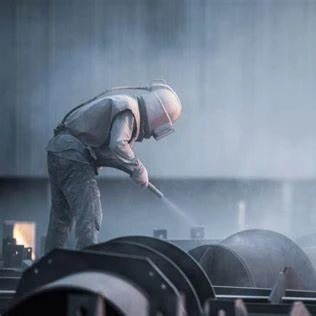
Steel grit is great for removing contaminants, such as dirt, grease, and small burrs from ceramic surfaces. When you use Steel Grit Blasting, the high - velocity impact of the steel grit particles can effectively clean the surface without causing too much damage to the ceramic. This is especially useful for ceramic parts that need to be clean before further processing, like glazing or coating.
2. Surface Roughening
Sometimes, you might want to roughen the surface of ceramics to improve adhesion. For example, if you're going to apply a coating or bond the ceramic to another material, a rougher surface can provide a better mechanical grip. Steel grit blasting can create a micro - rough surface on the ceramic, which enhances the bonding strength of subsequent coatings or adhesives.
3. Precision Machining
In some cases, steel grit can be used for precision machining of ceramics. By carefully controlling the size, shape, and velocity of the steel grit particles, you can achieve a high level of accuracy in removing small amounts of material from the ceramic surface. This can be useful for creating specific shapes or dimensions in ceramic components.

Challenges and Considerations
1. Risk of Cracking
Ceramics are brittle materials, and excessive force during steel grit blasting can cause them to crack. That's why it's crucial to select the right type and size of steel grit. For example, using a very large or hard steel grit on a thin or delicate ceramic piece might lead to cracking. You need to choose a grit size and hardness that can achieve the desired surface treatment without causing structural damage.
2. Contamination
Steel grit is made of steel, and there's a risk of iron contamination on the ceramic surface. Iron contamination can affect the properties of the ceramic, especially in applications where high - purity ceramics are required. To minimize this risk, you can use a cleaning process after steel grit blasting to remove any residual steel particles.
3. Cost
Using steel grit for ceramic surface treatment can be more expensive compared to some other abrasive materials. This is because steel grit is a high - quality product, and the equipment required for steel grit blasting also has a certain cost. However, in many cases, the benefits of using steel grit, such as better cleaning and surface roughening, can outweigh the cost.
Choosing the Right Steel Grit for Ceramic Surface Treatment
1. Grit Size
The grit size of steel grit is an important factor. Smaller grit sizes, like GP 120, are more suitable for fine cleaning and surface finishing, as they create a smoother surface. Larger grit sizes can be used for more aggressive removal of material or for creating a coarser surface roughness.
2. Hardness
The hardness of the steel grit should be matched to the hardness of the ceramic. Softer ceramics might require a less hard steel grit to avoid cracking, while harder ceramics can withstand a harder steel grit for more effective surface treatment.
3. Shape
The shape of the steel grit particles can also affect the surface treatment result. Angular steel grit particles are more aggressive and can remove material faster, while rounded particles are gentler and can create a smoother surface.
Applications of Steel Grit in Ceramic Surface Treatment
1. Ceramic Tiles
In the production of ceramic tiles, steel grit can be used to clean the surface before glazing. It can also be used to create a textured surface on the tiles for better slip resistance.
2. Ceramic Insulators
For ceramic insulators used in electrical applications, steel grit blasting can remove any impurities on the surface and improve the adhesion of protective coatings.
3. Ceramic Components in Machinery
In machinery, ceramic components often need to be precisely machined and have a clean surface. Steel grit can be used for both cleaning and precision machining of these components.
Conclusion
In conclusion, steel grit can definitely be used for ceramic surface treatment, but it requires careful consideration of the ceramic properties, the type of surface treatment needed, and the right selection of steel grit. With the right approach, steel grit can offer many benefits in terms of cleaning, surface roughening, and precision machining of ceramics.
If you're in the market for high - quality steel grit for your ceramic surface treatment needs, don't hesitate to reach out. We've got a wide range of steel grit products, including GP 120 Steel Grit and GH 14 Steel Grit, that can meet your specific requirements. Let's start a conversation and see how we can help you achieve the best results for your ceramic surface treatment projects.
References
- "Abrasive Materials and Their Applications" by John Smith
- "Ceramic Materials: Properties and Processing" by Jane Doe
- Industry reports on abrasive blasting techniques for ceramics


