


What is a Steel Shot?
The Basics
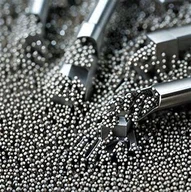
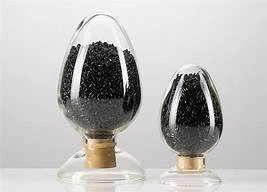
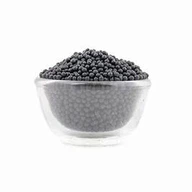
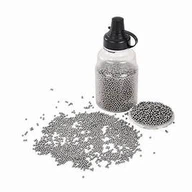
A steel shot is a small, spherical piece of steel. It is a type of abrasive media that has found its way into a wide range of industrial processes. These tiny spheres are typically made from high - carbon cast steel, which gives them their unique properties. But how are they made?
Manufacturing Process
Steel shots are manufactured through a process that involves melting high - quality steel. The molten steel is then formed into spherical shapes. One common method is to use water jets. A molten hot mixture of high - grade steel scrap and select alloys is introduced to a series of water jets. When the hot steel meets the water, it is atomized and forms spherical pieces. These pieces come in a variety of sizes, which are often referred to as different "grits". This manufacturing process results in steel shots that are highly uniform in shape, which is a key factor in their effectiveness.
What are the Applications of Steel Shot?
Abrasive Blasting
One of the most common uses of steel shot is in abrasive blasting. But what is abrasive blasting? Abrasive blasting involves propelling the steel shots at high velocities onto the surface of a material. This could be a metal surface in need of cleaning or preparation. The high - speed impact of the steel shots removes rust, scale, corrosion, paint, and other contaminants from the surface. In industries like shipbuilding, where large metal surfaces need to be prepared for painting or coating, abrasive blasting with steel shot is a go - to method. The ship's hulls, which are constantly exposed to harsh marine environments, need to have a clean surface before applying anti - corrosion coatings. Steel shot blasting ensures that the surface is free from any contaminants, allowing the coatings to adhere properly and provide long - lasting protection.
Shot Peening
Shot peening is another significant application of steel shot. This is a cold - working process where the surface of a metal component is bombarded with steel shots. But why is this done? The impact of the steel shots on the metal surface induces compressive residual stresses in the material. This, in turn, enhances the mechanical properties of the material. Components in the aerospace industry, such as turbine blades, are often shot - peened. Turbine blades operate under extreme conditions, including high temperatures and mechanical stress. By shot - peening these blades with steel shots, their fatigue resistance and strength are increased, ensuring they can withstand the harsh operating conditions for longer periods.
Deburring and Descaling
Steel shots are also used to remove burrs and sharp edges from metal parts. In manufacturing and machining industries, precision is key. Burrs and sharp edges can affect the proper functioning and assembly of parts. For example, in the production of automotive engine components, steel shots are used to clean up any burrs left after the machining process. This ensures that the components fit together perfectly and operate smoothly. Additionally, steel shots are effective in removing scale from metal parts. Scale can form on metal surfaces due to various factors such as heat treatment processes. By using steel shots, the scale can be removed, restoring the surface quality of the metal.
Surface Texturing
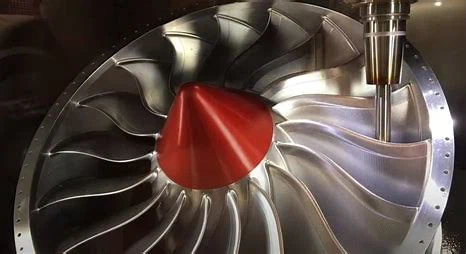
In some applications, steel shots are used to create specific surface textures or patterns on metal surfaces. Why would this be necessary? In architectural applications, for example, metal surfaces may need to have a certain texture for aesthetic reasons or to enhance grip. Steel shots can be propelled onto the metal surface at controlled velocities to create the desired texture. This can add a unique look to metal facades or handrails, making them not only functional but also visually appealing.
Preparation for Coatings
Steel shots are an effective means of preparing metal surfaces for various coatings. Whether it's paint, powder coating, or thermal spray, a properly prepared surface is essential for better adhesion and a longer - lasting coating. When a metal surface is blasted with steel shot, it becomes rougher. This increased surface roughness provides more surface area for the coating to adhere to. In the construction industry, before painting steel structures such as bridges, the steel surfaces are first treated with steel shot blasting. This ensures that the paint will stick well and protect the steel from corrosion for years to come.
Cleaning and Decontamination
In industries like nuclear power, maintaining a clean and contaminant - free environment is of utmost importance for safety reasons. Steel shots are used for cleaning and decontaminating surfaces. The high - speed impact of the steel shots can remove radioactive contaminants or other harmful substances from surfaces. This helps in ensuring the safety of workers and the proper functioning of equipment in nuclear power plants.
Removal of Heat Treat Scale
After heat treatment processes like quenching or annealing, metal parts often develop scale or oxidation layers. Steel shots are used to remove these layers. For instance, in the manufacturing of metal tools, after heat treatment to harden the metal, the scale formed on the surface can be removed using steel shot blasting. This restores the surface quality of the tool and allows for better performance.
Tumbling and Finishing
In metal finishing processes, steel shots are used in tumbling machines. Small metal parts and components are placed in a tumbling machine along with the steel shots. As the machine tumbles, the steel shots continuously impact the parts, resulting in smooth and polished surfaces. This is commonly seen in the production of small metal jewelry components or precision parts for electronics, where a high - quality finish is required.
How Does Steel Shot Compare to Other Abrasive Media?
Steel Shot vs. Sand
Sand has been used as an abrasive media for a long time. However, steel shot has several advantages over sand. Sand is relatively softer compared to steel shot. When used for abrasive blasting, sand may not be as effective in removing tough contaminants like thick rust or heavy - duty coatings. Also, sand can break down more easily during the blasting process, leading to a shorter lifespan. In contrast, steel shot is much harder and more durable. It can be recycled and reused multiple times, which makes it a more cost - effective option in the long run. Additionally, the use of sand in abrasive blasting can pose environmental and health risks, such as silica dust exposure, while steel shot does not have such issues.
Steel Shot vs. Glass Beads
Glass beads are another type of abrasive media. They are spherical in shape, similar to steel shot. However, glass beads are generally softer than steel shot. This makes them more suitable for applications where a gentler abrasive action is required, such as cleaning delicate surfaces. Steel shot, on the other hand, is better for more aggressive cleaning and surface preparation tasks. For example, if you need to remove thick paint from a large metal surface, steel shot would be a more appropriate choice. Also, steel shot can induce greater compressive stresses in the material during shot peening compared to glass beads, making it more effective for enhancing the mechanical properties of metals.
Are There Different Types of Steel Shots?
Cast Steel Shot
Cast steel shot is the most common type. It is made by melting high - quality steel and forming it into small, spherical particles. Cast steel shot comes in a wide range of sizes and hardness levels. This versatility makes it suitable for a variety of applications. For lighter applications like cleaning delicate metal surfaces, smaller and softer cast steel shots can be used. For more heavy - duty tasks such as removing thick coatings or scale from large industrial equipment, larger and harder cast steel shots are preferred.
Alloy Steel Shot
Alloy steel shot is made from steel alloys. These alloys are designed to give the steel shot specific properties. Alloy steel shot may have enhanced hardness, toughness, or resistance to wear. In applications where the steel shot needs to withstand extremely harsh conditions, such as in some mining or heavy - industrial applications, alloy steel shot may be the choice. It can provide longer - lasting performance compared to regular cast steel shot.
What are the Safety Considerations When Using Steel Shot?
When working with steel shot, safety is of paramount importance. Since steel shots are propelled at high velocities during processes like abrasive blasting, proper eye and body protection must be worn. Workers should use safety goggles or face shields to protect their eyes from any flying steel shots. Additionally, they should wear protective clothing to prevent any injuries from the impact of the steel shots. In areas where steel shot blasting is taking place, proper ventilation systems should be installed. This helps in removing any dust or small particles that may be generated during the process, ensuring a safe working environment. Also, when handling and storing steel shot, care should be taken to prevent any spills. If steel shots are spilled on the floor, they can create a slipping hazard.
In conclusion, steel shot is a versatile and essential material in the industrial world. From surface preparation to enhancing the mechanical properties of metals, its applications are vast and varied. Understanding what steel shot is, how it is made, and how to use it safely can help industries make the most of this remarkable material.


