


1. Understanding Steel Shot S170
1.1 Physical and Mechanical Properties
Steel Shot S170 is characterized by its uniform size and spherical shape. With a diameter typically around 0.5 - 0.6mm (as per common industry standards), it offers a consistent performance in different applications. The shot is made from high - quality steel, which imparts it with excellent hardness. Generally, its hardness ranges from 40 to 51 HRC (Rockwell Hardness Scale), enabling it to withstand high - impact forces during operations such as shot blasting and shot peening.
The density of Steel Shot S170, which is approximately 7.8 g/cm³, plays a crucial role in its effectiveness. Higher density means that the shot can carry more kinetic energy when in motion. This property is particularly beneficial in abrasive blasting, as it allows for more efficient removal of surface materials like rust, scale, and old coatings.
1.2 Microstructure and Composition
The microstructure of Steel Shot S170 is a carefully engineered feature. It often consists of a tempered martensite exterior and a softer ferrite - pearlite core. This unique structure provides a balance between hardness and ductility. The tempered martensite outer layer gives the shot its high - abrasive qualities, while the softer core helps in absorbing impact and preventing premature fracturing.
In terms of composition, it is mainly composed of carbon steel, with elements such as carbon, manganese, silicon, and sulfur present in specific proportions. Carbon, for example, contributes to the hardness of the steel, while manganese aids in improving the strength and hardenability. The precise control of these elements during the manufacturing process ensures that the Steel Shot S170 meets the stringent quality requirements of various industries.
2. Applications of Steel Shot S170
2.1 Automotive Industry
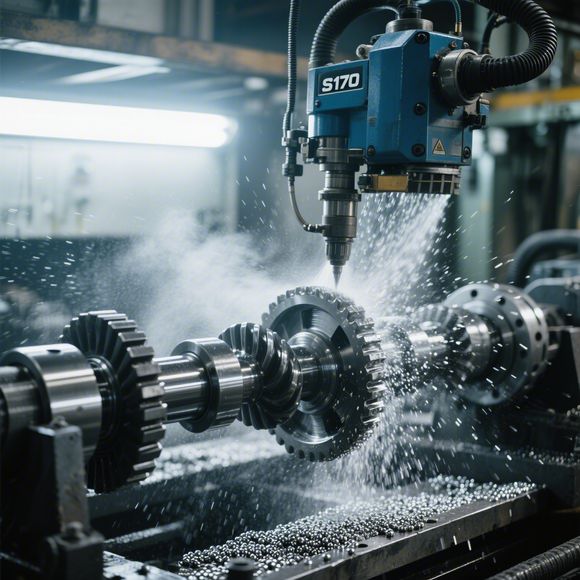
In the automotive sector, Steel Shot S170 is widely used in several critical processes. One of its primary applications is in shot peening of engine components such as crankshafts, connecting rods, and gears. Shot peening with S170 shot induces compressive stresses on the surface of these components. This, in turn, significantly enhances their fatigue resistance and lifespan. By improving the fatigue strength, the likelihood of component failure due to cyclic loading is reduced, leading to more reliable and durable automotive parts.
Moreover, Steel Shot S170 is used for surface cleaning and preparation of automotive body panels before painting. It effectively removes rust, mill scale, and other contaminants, ensuring a clean and smooth surface. This promotes better adhesion of paint, resulting in a more aesthetically pleasing and corrosion - resistant finish.
2.2 Aerospace Industry
The aerospace industry demands the highest quality standards for materials and components. Steel Shot S170 meets these requirements and is used in a variety of applications. For instance, in the manufacturing of aircraft landing gear components, shot peening with S170 shot is essential. The landing gear experiences extreme stress during take - off and landing, and the compressive stresses induced by shot peening improve its resistance to fatigue and stress corrosion cracking.
It is also used for surface treatment of turbine engine parts. By removing surface imperfections and enhancing surface finish, Steel Shot S170 helps in improving the efficiency and performance of turbine engines. The smooth surface reduces air resistance, leading to better fuel efficiency and overall engine performance.
2.3 Heavy Industries
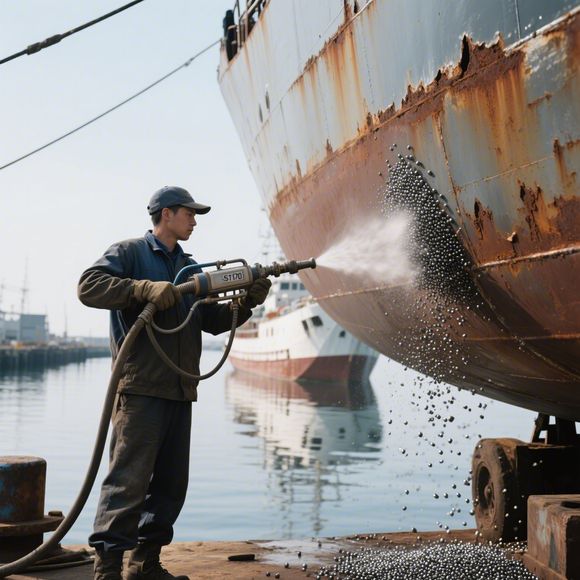
In heavy industries such as shipbuilding, construction, and oil and gas, Steel Shot S170 plays a vital role in surface preparation and maintenance. In shipbuilding, it is used for removing rust and old paint from the hulls of ships. The harsh marine environment causes ships to corrode rapidly, and regular surface treatment with S170 shot helps in preventing further corrosion and extending the lifespan of the vessel.

For construction equipment, Steel Shot S170 is used to clean and prepare the surfaces of steel structures before painting or coating. This ensures that the protective coatings adhere properly, protecting the structures from environmental factors such as moisture and chemical exposure. In the oil and gas industry, it is used for surface treatment of pipelines and storage tanks, helping to prevent corrosion and maintain the integrity of the infrastructure.
2.4 Other Industries
Steel Shot S170 also finds applications in industries such as foundry, where it is used for descaling and cleaning of castings. By removing sand and other impurities from the surface of castings, it improves the quality of the final product. In the metalworking industry, it is used for deburring and polishing of metal parts, providing a smooth and finished surface. Additionally, in the recycling industry, it can be used to clean and separate different types of metals.

3. Manufacturing Process of Steel Shot S170
3.1 Melting and Atomization
The production of Steel Shot S170 begins with the melting of high - quality steel in a furnace. The steel used is carefully selected based on its chemical composition to ensure the desired properties of the final product. Once melted, the liquid steel is then atomized. This is typically done by forcing the molten steel through a nozzle under high pressure, causing it to break up into small droplets. The size of the droplets is controlled to achieve the desired diameter of the steel shot.
3.2 Thermal and Mechanical Treatments
After atomization, the steel shot droplets are subjected to thermal and mechanical treatments. The thermal treatment, which usually involves annealing and quenching processes, helps in achieving the desired microstructure and hardness. Annealing relieves internal stresses in the shot, while quenching rapidly cools the shot to transform the microstructure into the desired tempered martensite - ferrite - pearlite structure.
Mechanical treatments such as centrifugalizing are also applied. Centrifugalizing helps in shaping the shot into a more spherical form and improving its surface finish. This process involves spinning the shot at high speeds, which forces the molten or semi - molten material into a spherical shape due to centrifugal force.
3.3 Screening and Quality Control
Once the thermal and mechanical treatments are complete, the steel shot undergoes a screening process. Screening is crucial to ensure that only shot of the correct size (S170 - sized) is selected for further use. Multiple screens with different mesh sizes are used to separate the shot based on diameter.
Quality control is an integral part of the manufacturing process. Stringent tests are conducted to check the hardness, density, and fatigue life of the steel shot. Chemical analysis is also performed to verify the composition of the steel. Additionally, advanced testing methods such as abrasive conductivity testing (as done in partnership with institutions like SGS in some cases) are used to ensure that the Steel Shot S170 meets the highest quality standards.
4. Market Trends and Future Outlook
The demand for Steel Shot S170 has been steadily increasing in recent years, driven by the growth of various end - user industries. The automotive and aerospace sectors, in particular, have been major contributors to this demand, as they continue to expand and invest in research and development to improve the performance and safety of their products.
With the increasing focus on environmental sustainability, there is also a growing trend towards the use of recyclable materials. Steel Shot S170 is highly recyclable, and this property makes it an attractive option for industries looking to reduce their environmental impact. As a result, manufacturers are increasingly investing in recycling technologies to recover and reuse Steel Shot S170, further driving its market growth.
Looking ahead, the future of Steel Shot S170 seems promising. Technological advancements in the manufacturing process are expected to further improve its quality and performance. New applications in emerging industries such as renewable energy (e.g., in the manufacturing of wind turbine components) are also likely to open up new growth opportunities. However, challenges such as fluctuations in raw material prices and increasing competition in the global market will need to be addressed by manufacturers to maintain their competitive edge.
In conclusion, Steel Shot S170 has firmly established itself as an essential material in the industrial landscape. Its unique properties, diverse applications, and positive market outlook make it a material to watch in the coming years. As industries continue to evolve and demand higher - quality products, Steel Shot S170 is well - positioned to play a crucial role in meeting these requirements.


