


Introduction: The Powerhouse of Surface Preparation
In the world of industrial abrasives, steel grit stands out as one of the most versatile and efficient materials for surface treatment. With a projected market value of $3.8 billion by 2028 (Grand View Research), steel grit is revolutionizing industries ranging from shipbuilding and automotive manufacturing to aerospace and construction.
But what exactly is steel grit used for? Why do manufacturers prefer it over other abrasives? And what are the latest advancements in steel grit technology?
This guide dives deep into:
✔ The science behind steel grit
✔ Top industrial applications
✔ Performance advantages over alternatives
✔ Emerging trends in abrasive blasting
Section 1: What Is Steel Grit? – Composition & Properties
1.1 Definition & Manufacturing Process
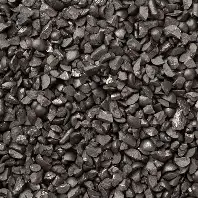
Steel grit is an angular, high-carbon abrasive made by:
Crushing hardened steel shot into sharp-edged particles
Heat-treating to achieve 50-65 HRC hardness
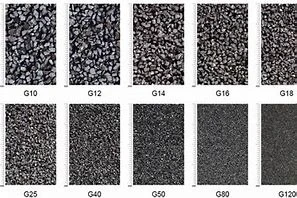
Precision screening for uniform size distribution (G16 to G80)
Key Properties:
Shape: Angular with sharp cutting edges
Density: 7.4-7.8 g/cm³
Recyclability: 1,500+ cycles
1.2 Steel Grit vs. Alternatives
| Aspect | Steel Grit | Sand | Glass Beads |
|---|---|---|---|
| Cutting Speed | Fastest | Moderate | Slow |
| Surface Profile | Rough (50-125µm) | Uneven | Smooth (10-30µm) |
| Dust Creation | Low | High (Silica Hazard) | Medium |
| Cost Efficiency | High (Reusable) | Low (Single-use) | Medium |
Section 2: Top 6 Industrial Uses of Steel Grit
2.1 Shipbuilding & Marine Maintenance
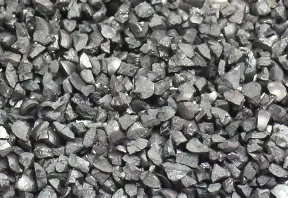
Hull Cleaning: Removes rust, old paint, and marine growth 3x faster than sandblasting.
ISO 8501-1 Sa 2.5 Compliance: Essential for epoxy coatings on oil tankers.
Case Study: A Korean shipyard reduced blasting time by 40% using G25 steel grit.
2.2 Automotive & Metal Fabrication
Laser Welding Prep: Creates perfect 25-50µm anchor profile for adhesion.
Deburring Cast Parts: Cleans gearboxes and engine blocks without warping.
Tesla's Giga Press: Uses G40 steel grit for aluminum die-cast finishing.
2.3 Aerospace & Defense
Turbine Blade Cleaning: Removes oxidation without damaging titanium.
Composite Bonding Prep: Ensures 5,000+ psi adhesion strength (Boeing spec).
2.4 Construction & Concrete Surface Prep
Bridge Deck Profiling (ICRI CSP 3-9): Required before overlays.
Parking Garage Restoration: Removes chloride contamination from rebar.
2.5 Oil & Gas Pipeline Maintenance
API 5L Compliance: Steel grit is mandatory for FBE coating adhesion.
Offshore Rig Blasting: Withstands saltwater corrosion better than sand.

2.6 Railway & Heavy Machinery
Rail Track Cleaning: Extends rail life by removing micro-cracks.
Mining Equipment Refurbishment: Restores CAT bulldozers to like-new condition.
Section 3: Why Choose Steel Grit? 5 Key Advantages
3.1 Faster Cleaning & Higher Productivity
30-50% faster than sand or slag abrasives.
One-pass cleaning on thick mill scale.

3.2 Lower Long-Term Costs
| Cost Factor | Steel Grit | Sand |
|---|---|---|
| Media Cost/Ton | $800 | $200 |
| Reuse Cycles | 1,500+ | 1 |
| Disposal Cost | $0 | $50/ton |
| Total Cost (5 yrs) | $12,000 | $45,000 |
3.3 Safer & More Eco-Friendly
Silica-Free: Eliminates silicosis risk (OSHA 1910.1053 compliant).
100% Recyclable: Reduces landfill waste.
3.4 Superior Surface Finish Control
Precise anchor profile (50-125µm).
No embedded particles (unlike sand).
3.5 Compatibility with Robotic Blasting
Uniform shape ensures consistent automated performance.
Used in Tesla's fully automated paint shops.
Section 4: Latest Innovations in Steel Grit Technology
4.1 Nano-Coated Steel Grit (2024 Breakthrough)
Graphene-infused grit lasts 2x longer.
Self-lubricating for reduced dust.
4.2 Smart Grit with RFID Tracking
Monitors wear in real-time.
Automatically orders replenishment.

4.3 Low-Dust Formulations
Reduces airborne particles by 70%.
Ideal for confined spaces.
Section 5: How to Select the Right Steel Grit?
5.1 Grit Size Guide
| Grit Number | Best For |
|---|---|
| G16-G24 | Heavy rust, thick coatings |
| G40-G60 | General-purpose cleaning |
| G80-G120 | Fine finishing, delicate parts |
5.2 Equipment Recommendations
Pressure: 6-7 bar (85-100 psi)
Nozzle: Tungsten carbide venturi
Recycling System: Magnetic separator + air wash
Conclusion: Steel Grit – The Future of Abrasive Blasting
From shipyards to car factories, steel grit delivers:
✔ Faster cleaning
✔ Lower costs
✔ Safer operations
✔ Superior surface prep
Need expert advice on steel grit selection? Contact our abrasives specialists today!


