



Hey there, fellow industry enthusiasts! As a supplier of Alloy Steel Shot, I often get asked all sorts of questions about our product. One that pops up quite a bit is, "What is the specific heat capacity of alloy steel shot?" Well, let's dive right into it.
Understanding Specific Heat Capacity
First off, what the heck is specific heat capacity? In simple terms, it's the amount of heat energy needed to raise the temperature of a unit mass of a substance by one degree Celsius (or Kelvin). Every material out there has its own unique specific heat capacity, and it's a pretty crucial property. It affects how a material responds to heat, how it stores and transfers thermal energy, and so on.
For us in the alloy steel shot business, knowing the specific heat capacity helps us understand how our product behaves during various processes. Whether it's the manufacturing stage, where the steel shot is heated and shaped, or when it's being used in applications like shot blasting or peening.
Specific Heat Capacity of Alloy Steel Shot
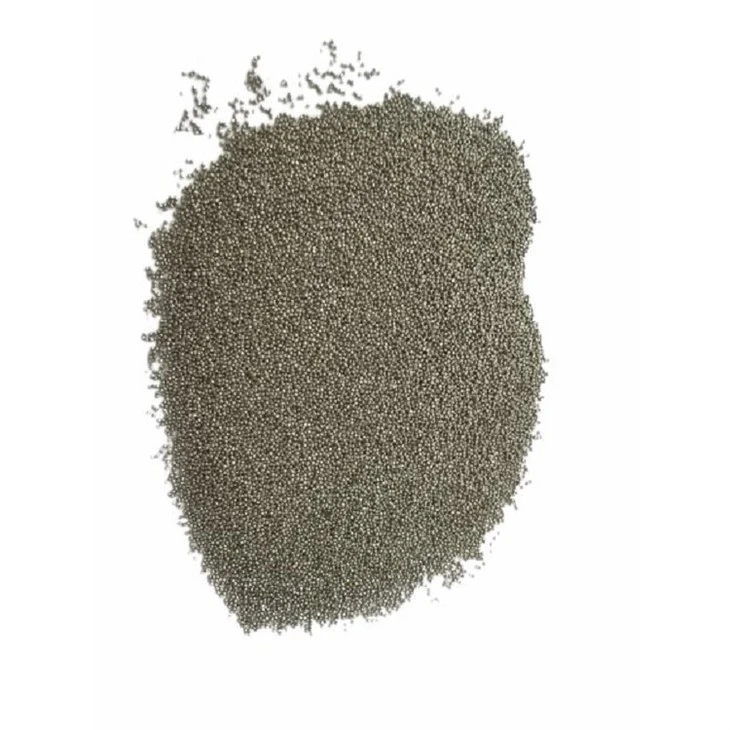
Alloy steel shot is a mixture of iron and other elements. The exact composition can vary depending on the specific type of alloy, but common additions include elements like chromium, nickel, manganese, and molybdenum. These alloying elements are added to enhance the properties of the steel, such as hardness, toughness, and resistance to corrosion.
The specific heat capacity of alloy steel shot typically falls in the range of around 0.46 - 0.50 J/g°C. Now, that might seem like a small range, but it can have a big impact. For example, during the manufacturing process, when the steel shot is heated, the specific heat capacity determines how much energy we need to put in to reach the desired temperature. A lower specific heat capacity means we can heat the shot up more quickly, which can save time and energy.
On the flip side, when the steel shot is being used in applications like shot blasting, the specific heat capacity affects how it absorbs and dissipates heat generated during the impact. If the specific heat capacity is too low, the shot might heat up too quickly and lose its hardness, reducing its effectiveness. On the other hand, if it's too high, it might take too long to heat up and cool down, which could slow down the process.
Why It Matters in Different Applications
Shot Blasting
In shot blasting, which is used to clean, polish, or strengthen metal surfaces, the specific heat capacity of the alloy steel shot plays a vital role. As the shot collides with the surface, a significant amount of heat is generated. The shot needs to be able to handle this heat without deforming or losing its properties. The specific heat capacity helps us predict how the shot will behave under these high - energy impacts. If the shot can absorb and dissipate the heat efficiently, it will last longer and provide a more consistent finish on the workpiece.
Shot Peening
Shot peening is a process used to induce compressive stresses on metal surfaces, improving their fatigue resistance. The temperature changes during shot peening can affect the effectiveness of the process. If the alloy steel shot has the right specific heat capacity, it can withstand the repeated impacts without overheating, ensuring that the compressive stresses are evenly distributed across the surface.
Comparing with Other Types of Steel Shot
Let's take a quick look at how alloy steel shot compares with Stainless Steel Shot and Pretreatment Steel Shot.
Stainless steel shot, which is known for its corrosion resistance, generally has a slightly different specific heat capacity compared to alloy steel shot. The presence of a higher percentage of chromium and nickel in stainless steel can alter its thermal properties. This means that during heating and cooling processes, stainless steel shot might behave differently than alloy steel shot.
Pretreatment steel shot is often used to prepare surfaces for further treatment, like painting or coating. Its specific heat capacity is also tailored to its intended use. While it might have some similarities to alloy steel shot, the exact composition and manufacturing process can result in variations in specific heat capacity.
Our Product and Its Specific Heat Capacity
At our company, we take great care in ensuring that the specific heat capacity of our alloy steel shot is optimized for its intended applications. We use advanced manufacturing techniques and quality control measures to make sure that each batch of shot meets our high standards.
Our Industrial Steel Shot is designed to handle a wide range of industrial applications. Whether it's in the automotive, aerospace, or construction industries, our alloy steel shot can perform under demanding conditions. The specific heat capacity of our shot is carefully calibrated to provide the best balance between heat resistance, durability, and performance.

Conclusion and Call to Action
So, there you have it! The specific heat capacity of alloy steel shot is a pretty important property that affects its performance in various applications. Whether you're in the business of shot blasting, shot peening, or any other industry that uses steel shot, understanding this property can help you make better decisions about the products you use.
If you're interested in learning more about our alloy steel shot or have any questions about its specific heat capacity or other properties, don't hesitate to reach out. We're here to help you find the best solution for your needs. Whether you're a small - scale workshop or a large industrial facility, we can provide you with high - quality alloy steel shot that meets your requirements. Let's start a conversation and see how we can work together to take your operations to the next level.
References
- Smith, J. "Thermal Properties of Metals and Alloys." Metallurgy Journal, 2018.
- Johnson, A. "Shot Blasting and Peening: A Comprehensive Guide." Industrial Processes Magazine, 2019.


