



Yo, what's up everyone! I'm an alloy steel shot supplier, and today I wanna talk about the solubility of alloy steel shot in certain chemicals. It's a topic that's not only super interesting but also crucial for many industries that rely on alloy steel shot for various applications.
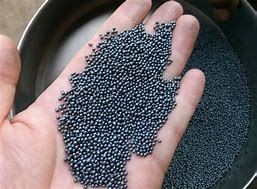
First off, let's understand what alloy steel shot is. Alloy steel shot is made from high - quality steel alloys. It comes in different sizes and hardness levels, and it's widely used in shot blasting, peening, and other surface treatment processes. You can check out some of our products like Abrasive Spherical Steel Shot, S280 Steel Shot, and S660 Steel Shot on our website.
Now, solubility is all about how well a substance can dissolve in a particular solvent. When it comes to alloy steel shot, its solubility in different chemicals depends on a bunch of factors.
Factors Affecting Solubility
Chemical Composition of the Alloy
Alloy steel shot can have different alloying elements like chromium, nickel, molybdenum, etc. These elements play a huge role in determining its solubility. For example, chromium forms a passive oxide layer on the surface of the steel shot. This layer acts as a barrier, reducing the shot's solubility in many common chemicals. On the other hand, if the alloy has a high carbon content, it might be more reactive and dissolve more easily in certain acidic solutions.
Chemical Nature of the Solvent
The type of chemical we're talking about matters a lot. Acids, for instance, can react with alloy steel shot. Strong acids like hydrochloric acid (HCl) and sulfuric acid (H₂SO₄) can dissolve the iron in the steel shot. The reaction usually involves the acid reacting with the metal to form metal salts and hydrogen gas.
Let's take hydrochloric acid as an example. The chemical reaction between iron in the alloy steel shot and hydrochloric acid can be represented as:
Fe + 2HCl → FeCl₂+ H₂↑
The rate of this reaction depends on the concentration of the acid. A more concentrated acid will react faster with the steel shot.
Bases, on the other hand, generally have a lower reactivity with alloy steel shot compared to acids. But some strong bases, under certain conditions, can also cause corrosion and dissolution. For example, in a hot and concentrated sodium hydroxide (NaOH) solution, the steel shot might start to react slowly.
Temperature
Temperature has a significant impact on solubility. As the temperature increases, the kinetic energy of the molecules in the chemical solution and the atoms in the alloy steel shot also increases. This means that the reaction between the steel shot and the chemical will occur more rapidly.
For example, if we have a solution of sulfuric acid and alloy steel shot, at room temperature, the reaction might be relatively slow. But if we heat the solution, the rate of dissolution will increase significantly. However, it's important to note that extremely high temperatures can also cause other problems like changes in the structure of the alloy steel shot.
Surface Area
The surface area of the alloy steel shot also affects its solubility. Smaller steel shot particles have a larger surface area compared to larger ones. This means that for the same mass of steel shot, smaller particles will dissolve faster in a chemical solution. When the surface area is larger, there are more sites for the chemical reaction to occur, so the reaction rate increases.

Solubility in Specific Chemicals
Solubility in Acids
- Hydrochloric Acid: As mentioned earlier, hydrochloric acid can react with alloy steel shot. The reaction is quite vigorous, especially with a higher concentration of the acid. The iron in the steel shot reacts to form iron chloride salts. This reaction is often used in industrial processes for cleaning and surface treatment of the steel shot itself. However, it needs to be carefully controlled because over - dissolution can lead to a loss of the shot's quality and performance.
- Sulfuric Acid: Sulfuric acid also reacts with alloy steel shot. In a dilute solution, the reaction might be slower, but in a concentrated solution, it can be very fast. The reaction forms iron sulfate salts and hydrogen gas. The solubility rate in sulfuric acid can be affected by factors like temperature and the presence of other impurities in the acid.
Solubility in Bases
- Sodium Hydroxide: In general, alloy steel shot has low solubility in sodium hydroxide at room temperature. But at high temperatures and high concentrations, the steel shot can start to react. The reaction involves the formation of metal hydroxides and the release of hydrogen gas. This reaction is not as common as the acid - steel shot reactions but can be important in some specialized industrial processes.
Solubility in Organic Solvents
Alloy steel shot has very low solubility in most organic solvents. Organic solvents like ethanol, acetone, and toluene do not have the chemical properties to react with the alloy steel shot. However, in some cases where the organic solvent contains impurities or reactive additives, there might be a very minor reaction, but it's usually negligible.
Why Solubility Matters
Understanding the solubility of alloy steel shot in certain chemicals is crucial for several reasons.
In the manufacturing process, if the steel shot is going to be used in a chemical - based surface treatment, knowing its solubility helps in choosing the right chemicals and process parameters. For example, if we want to clean the steel shot without dissolving it too much, we need to select a chemical with a low reactivity or control the reaction conditions carefully.
In environmental applications, understanding solubility is important for waste management. If the steel shot is contaminated with certain chemicals and needs to be disposed of, knowing how it will react with the environment can help in choosing the right disposal method.
Conclusion
So, there you have it, folks! The solubility of alloy steel shot in certain chemicals is a complex topic that depends on many factors like the chemical composition of the alloy, the nature of the solvent, temperature, and surface area. Whether you're in the manufacturing industry, environmental management, or any other field that uses alloy steel shot, this knowledge can be really valuable.
If you're interested in our alloy steel shot products or have any questions about their solubility or other properties, feel free to reach out to us for a friendly chat and discuss your procurement needs. We're always here to help you find the best solution for your business.
References
- "Metallurgy of Steel" by George Krauss
- "Corrosion and Protection of Metals" by Pierre Marcus and Jean - Marie Layrargues
- "Handbook of Chemical Reactions of the Elements" by Clifford A. Hampel


