



Surface finishing is a crucial process in various industries, from woodworking and metalworking to automotive and aerospace. It involves the modification of a material's surface to achieve a desired appearance, texture, or functionality. One of the most essential tools in surface finishing is sandpaper abrasive. As a sandpaper abrasive supplier, I've witnessed firsthand the significant role these abrasives play in achieving high - quality surface finishes.
Understanding Sandpaper Abrasive
Sandpaper abrasive consists of a backing material, such as paper, cloth, or film, coated with abrasive grains. These grains are the key to the sandpaper's cutting ability. Different types of abrasive grains offer unique properties, making them suitable for specific applications.
Types of Abrasive Grains
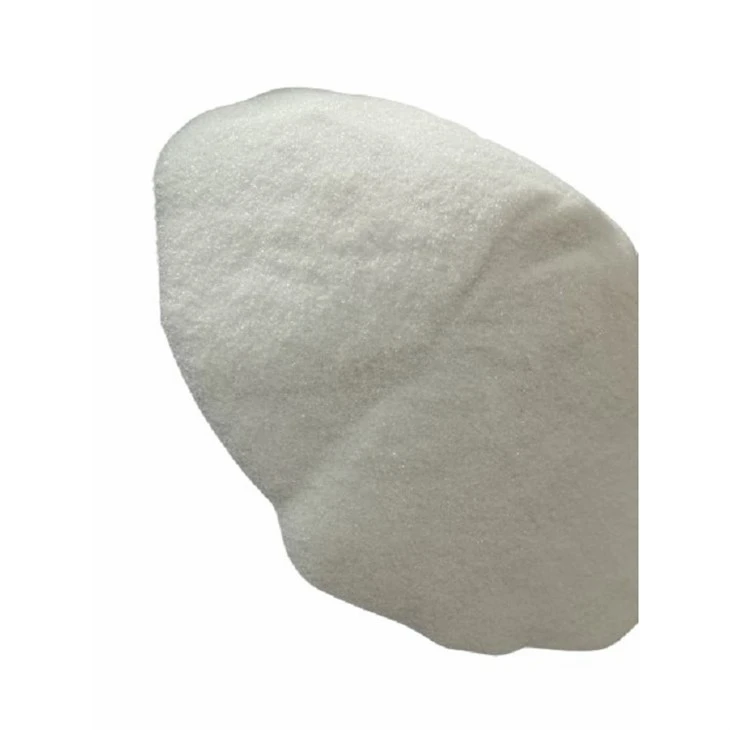
- White Corundum: White corundum is a high - purity aluminum oxide abrasive. It is known for its sharpness and hardness, which allows it to cut through materials quickly and efficiently. The grains break down gradually during use, exposing new sharp edges. This self - sharpening property makes white corundum ideal for precision grinding and finishing operations. You can learn more about white corundum here.
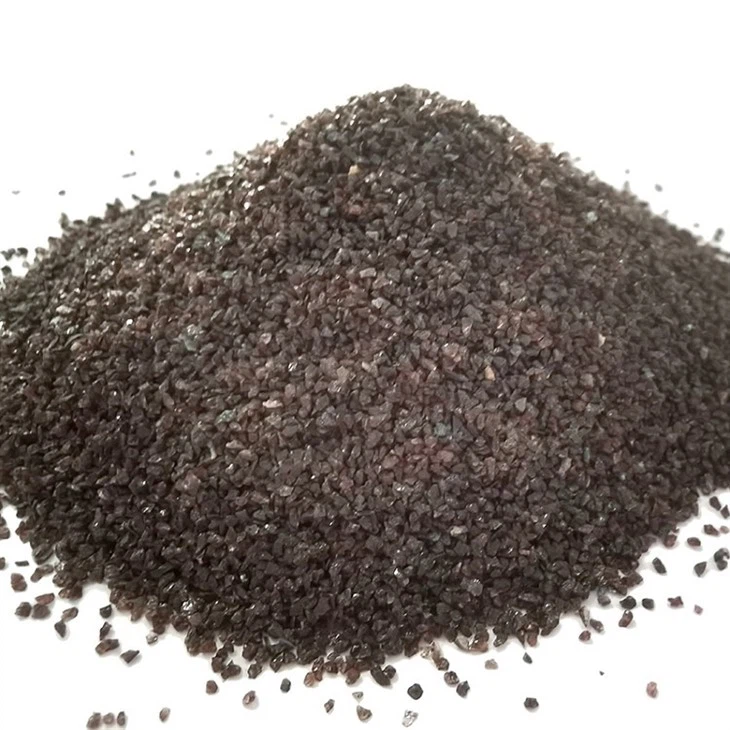
- 325 Mesh Brown Corundum: Brown corundum is a widely used abrasive due to its cost - effectiveness and versatility. The 325 mesh size indicates the fineness of the abrasive grains. Finer meshes like 325 are used for finer finishing operations, such as removing light scratches or preparing a surface for painting. The brown corundum's toughness makes it suitable for grinding and sanding a variety of materials, including metals, wood, and plastics. More details about 325 mesh brown corundum can be found here.
- Garnet Sand: Garnet sand is a natural abrasive that is mined from the earth. It is a popular choice for woodworking applications because it cuts cleanly without loading the sandpaper. Loading occurs when the abrasive grains become clogged with the material being sanded, reducing the sandpaper's effectiveness. Garnet sand is also environmentally friendly, making it a sustainable option for surface finishing. To know more about garnet sand, visit this page.
The Role of Sandpaper Abrasive in Surface Finishing
Material Removal
One of the primary roles of sandpaper abrasive is to remove material from a surface. This can be necessary for various reasons, such as removing rust, paint, or rough spots. The abrasive grains on the sandpaper act like tiny cutting tools, scraping away the unwanted material. The rate of material removal depends on several factors, including the type of abrasive grain, the grit size, and the pressure applied during sanding.
For example, when sanding a metal surface to remove rust, a coarse - grit sandpaper with a tough abrasive like brown corundum can quickly remove the rust layer. As the surface becomes smoother, a finer - grit sandpaper can be used to refine the finish and remove any remaining scratches.
Surface Smoothing
Sandpaper abrasive is also used to smooth rough surfaces. In woodworking, for instance, rough - cut lumber often has a jagged surface that needs to be smoothed before it can be used for furniture or other projects. By using progressively finer grits of sandpaper, the surface can be made smooth and ready for staining or painting.
In metalworking, sanding can be used to smooth welds or machined surfaces. A smooth surface not only improves the appearance of the metal but also reduces the risk of corrosion and wear. The choice of abrasive and grit size is crucial for achieving the desired level of smoothness. A too - coarse grit can leave deep scratches, while a too - fine grit may not be effective in removing larger imperfections.
Surface Preparation
Before applying a coating, such as paint or varnish, the surface needs to be properly prepared. Sandpaper abrasive plays a vital role in this process. By sanding the surface, it creates a rough texture that allows the coating to adhere better. This is especially important for surfaces that are smooth or have a glossy finish, as the coating may not stick well without proper surface preparation.
For example, when painting a car, the bodywork is first sanded to remove any old paint, smooth out dents, and create a surface that the new paint can bond to. The sanding process also helps to remove any contaminants, such as grease or dirt, that could prevent the paint from adhering properly.
Polishing
In some cases, sandpaper abrasive can be used for polishing. Polishing involves achieving a high - gloss finish on a surface. Fine - grit sandpapers, often with abrasives like white corundum, can be used to gradually refine the surface and remove any remaining micro - scratches. This is commonly done in the automotive and jewelry industries to create a mirror - like finish.
Factors Affecting the Performance of Sandpaper Abrasive
Grit Size
The grit size of sandpaper is one of the most important factors affecting its performance. Grit size refers to the number of abrasive grains per square inch of the sandpaper. A lower grit number indicates a coarser sandpaper, which is used for heavy material removal. A higher grit number indicates a finer sandpaper, which is used for smoothing and finishing.
For example, a 40 - grit sandpaper is very coarse and can quickly remove large amounts of material, but it will leave a rough surface. On the other hand, a 600 - grit sandpaper is much finer and is used for final finishing and polishing.
Backing Material
The backing material of sandpaper also affects its performance. Paper is the most common backing material and is suitable for general - purpose sanding. It is relatively inexpensive and flexible, making it easy to use on curved surfaces. Cloth backing is more durable and is often used for heavy - duty sanding applications, such as sanding metal. Film backing is used for wet sanding and provides a smooth, consistent finish.
Bonding Agent
The bonding agent is what holds the abrasive grains to the backing material. A good bonding agent ensures that the abrasive grains stay in place during sanding and do not fall off prematurely. Different types of bonding agents are used depending on the application. For example, a resin bond is often used for high - speed sanding operations because it can withstand the heat generated during sanding.
Choosing the Right Sandpaper Abrasive
Choosing the right sandpaper abrasive for a particular application is crucial for achieving the best results. Here are some tips to help you make the right choice:
- Consider the Material: Different materials require different types of abrasives. For example, wood is best sanded with garnet sand or silicon carbide, while metal is often sanded with aluminum oxide abrasives like brown or white corundum.
- Determine the Grit Size: The grit size should be chosen based on the amount of material removal and the desired finish. Start with a coarse grit for heavy material removal and gradually move to finer grits for smoothing and finishing.
- Evaluate the Backing Material: Consider the type of sanding operation and the surface you will be sanding. For curved surfaces, a flexible paper backing may be more suitable, while heavy - duty sanding may require a cloth backing.
Conclusion
Sandpaper abrasive plays a vital role in surface finishing across various industries. Whether it's removing material, smoothing surfaces, preparing for coatings, or polishing, the right sandpaper abrasive can make all the difference in achieving a high - quality finish. As a sandpaper abrasive supplier, I understand the importance of providing our customers with the right products for their specific needs.
If you are in need of sandpaper abrasive for your surface finishing projects, we would be happy to assist you. Our wide range of products, including white corundum, 325 mesh brown corundum, and garnet sand, can meet the diverse requirements of different industries. Contact us today to discuss your needs and start a procurement negotiation.
References
- "Handbook of Abrasive Technology" by R. Komanduri
- "Surface Finishing for Engineers" by G. E. Totten


