



Bearing steel sand, a remarkable and versatile material, has carved a niche for itself in the jewelry industry. As a leading supplier of bearing steel sand, I've witnessed firsthand its transformative impact on jewelry manufacturing processes. In this blog post, I'll delve into the multifaceted role of bearing steel sand in the jewelry industry, exploring its unique properties, applications, and the benefits it offers to jewelry makers.
Unique Properties of Bearing Steel Sand
Bearing steel sand is renowned for its exceptional hardness, toughness, and wear resistance. These properties are a result of its high - carbon content and precise manufacturing processes. The hardness of bearing steel sand allows it to withstand the rigors of various jewelry - making operations without deforming or breaking easily. This is crucial as jewelry often requires intricate and precise work, and any material used in the process must be able to maintain its integrity.
The toughness of bearing steel sand enables it to absorb energy during impact and abrasive processes. This is particularly important in operations such as sandblasting, where the sand comes into contact with the jewelry at high speeds. The wear resistance ensures that the sand particles retain their shape and performance over multiple uses, making it a cost - effective choice for jewelry manufacturers.
Surface Finishing
One of the primary applications of bearing steel sand in the jewelry industry is surface finishing. Jewelry pieces need to have a smooth, polished, and visually appealing surface. Bearing steel sand is used in sandblasting machines to achieve different surface textures on jewelry.
For instance, a fine - grained bearing steel sand can be used to create a matte finish on precious metals like gold, silver, and platinum. This matte finish gives the jewelry a sophisticated and understated look, which is highly sought after in modern jewelry design. On the other hand, a coarser - grained bearing steel sand can be used to create a more textured or rustic finish, adding character and uniqueness to the jewelry piece.
When using bearing steel sand for surface finishing, the jewelry is placed in a sandblasting cabinet, and a high - pressure stream of sand is directed at its surface. The sand particles remove any surface imperfections, such as scratches or blemishes, and create a uniform texture. This process not only enhances the aesthetic appeal of the jewelry but also prepares the surface for further treatments such as plating or coating.
Deburring and Cleaning
In the jewelry manufacturing process, small burrs or rough edges can form on metal parts during cutting, shaping, or casting. These burrs can be sharp and may cause discomfort to the wearer, and they also detract from the overall quality of the jewelry. Bearing steel sand is an excellent solution for deburring jewelry pieces.
The abrasive nature of the sand allows it to remove these burrs quickly and efficiently. By blasting the jewelry with bearing steel sand, the burrs are broken off, leaving a smooth and clean edge. This process is also effective in cleaning jewelry parts, removing any dirt, grease, or oxidation that may have accumulated on the surface during manufacturing.
Polishing and Buffing
Bearing steel sand can also be incorporated into polishing and buffing compounds. When mixed with a suitable binder, it can be used to create a polishing paste that can be applied to jewelry surfaces. This paste helps to achieve a high - gloss finish on the jewelry, enhancing its shine and luster.
The hardness and abrasiveness of the bearing steel sand particles ensure that the polishing process is effective, even on hard metals. The particles gently abrade the surface of the jewelry, removing any micro - scratches and creating a mirror - like finish. This is especially important for high - end jewelry pieces, where a flawless finish is essential to showcase the value and beauty of the precious metals and gemstones used.
Precision Cutting and Shaping
In some cases, bearing steel sand can be used in precision cutting and shaping of jewelry components. When used in a water - jet cutting system, the high - speed stream of water mixed with bearing steel sand can cut through various materials, including metals and gemstones, with high precision.
This method allows for the creation of intricate and detailed jewelry designs that would be difficult to achieve with traditional cutting tools. The abrasive action of the bearing steel sand in the water - jet ensures a clean and accurate cut, minimizing material wastage and reducing the need for further finishing operations.
Advantages for Jewelry Manufacturers
The use of bearing steel sand offers several advantages for jewelry manufacturers. Firstly, its durability and reusability make it a cost - effective option. Unlike some other abrasive materials that need to be replaced frequently, bearing steel sand can be used multiple times before it loses its effectiveness. This reduces the overall cost of production and increases the profitability of the jewelry manufacturing process.
Secondly, bearing steel sand is a consistent and reliable material. The manufacturing process ensures that the sand particles have a uniform size and shape, which is crucial for achieving consistent results in jewelry - making operations. This consistency allows jewelry manufacturers to produce high - quality pieces with predictable outcomes.
Finally, bearing steel sand is a versatile material that can be used in a wide range of jewelry - making processes. Whether it's surface finishing, deburring, polishing, or cutting, bearing steel sand can meet the diverse needs of jewelry manufacturers, making it an essential tool in the industry.
Our Product Offerings
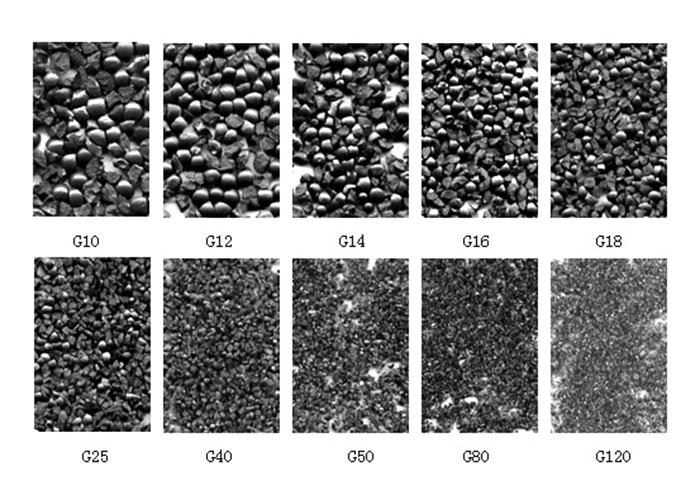
As a bearing steel sand supplier, we offer a wide range of products to meet the specific needs of the jewelry industry. Our Bearing Steel Grit is carefully manufactured to ensure high quality and performance. We also provide GH 40 Steel Grit and Steel Grit Blasting GH10, which are suitable for different applications in jewelry manufacturing.
Our products are available in various particle sizes, allowing jewelry manufacturers to choose the most appropriate sand for their specific processes. We also offer technical support and advice to help our customers achieve the best results with our bearing steel sand products.
Conclusion
Bearing steel sand plays a vital role in the jewelry industry, offering a wide range of applications from surface finishing to precision cutting. Its unique properties of hardness, toughness, and wear resistance make it an ideal material for jewelry - making processes. As a supplier, we are committed to providing high - quality bearing steel sand products and excellent customer service to help jewelry manufacturers create beautiful and high - quality jewelry pieces.
If you are a jewelry manufacturer looking for a reliable source of bearing steel sand, we would love to discuss your requirements. Contact us today to start a conversation about how our products can enhance your jewelry - making processes and help you achieve your business goals.

References
- "Metallurgy of Abrasive Materials" - A comprehensive guide on the properties and applications of abrasive materials in various industries.
- "Jewelry Manufacturing Techniques" - A book that covers the different processes involved in jewelry making and the materials used.
- Industry reports on the use of abrasive materials in the jewelry industry, highlighting the trends and best practices.


