


Hey there! As a supplier of ribbon abrasive, I've been in the industry for quite some time, and I often get asked about the quality standard of ribbon abrasive. So, I thought I'd share my insights in this blog post.
First off, let's talk about what ribbon abrasive is. It's a type of abrasive product that comes in a ribbon - like form. It's used in a variety of applications, from metalworking to woodworking, for tasks like grinding, polishing, and finishing.
Physical Properties
One of the key aspects of the quality standard for ribbon abrasive is its physical properties. The thickness of the ribbon matters a great deal. If it's too thick, it might be too rigid and not conform well to the surface being worked on. On the other hand, if it's too thin, it may break easily during use. A good quality ribbon abrasive should have a consistent thickness throughout its length.
The width of the ribbon also plays a role. Different applications require different widths. For example, when working on a narrow groove, a thinner ribbon would be more suitable. A high - quality ribbon abrasive should be available in a range of widths to meet various customer needs.
Another important physical property is the flexibility of the ribbon. It should be flexible enough to wrap around curved surfaces, but at the same time, it shouldn't be so flexible that it loses its shape during operation. A well - made ribbon abrasive can maintain its form while still adapting to different workpieces.
Abrasive Grain Quality
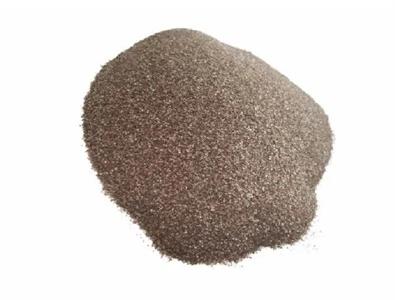
The abrasive grains on the ribbon are the heart of its cutting and finishing ability. The type of abrasive grain used is crucial. For instance, Brown Corundum is a popular choice. It's known for its hardness and durability. Brown corundum can withstand high - pressure grinding and is suitable for heavy - duty applications. You can also check out this other link for Brown Corundum to learn more about its different uses.
The size of the abrasive grains also affects the performance of the ribbon abrasive. Coarser grains are used for rapid material removal, like when you need to quickly smooth out a rough metal surface. Finer grains, on the other hand, are used for polishing and achieving a smooth finish. A quality ribbon abrasive should have a uniform grain size distribution. If the grain size varies too much, it can lead to uneven grinding or polishing results.
Bonding Strength
The bonding between the abrasive grains and the ribbon substrate is essential. A strong bond ensures that the grains stay in place during use. If the bonding is weak, the grains may fall off prematurely, reducing the effectiveness of the ribbon abrasive and potentially causing damage to the workpiece.
There are different types of bonding agents used in the manufacturing of ribbon abrasive. The quality of these agents and the bonding process itself determine the overall bonding strength. A high - quality ribbon abrasive undergoes strict quality control during the bonding process to ensure a long - lasting and reliable bond.
Coating and Surface Treatment
Some ribbon abrasives have special coatings or surface treatments. These can enhance the performance of the ribbon in various ways. For example, a coating can reduce heat generation during grinding, which is beneficial as excessive heat can damage both the workpiece and the abrasive. It can also prevent the buildup of debris on the ribbon, keeping it clean and effective for longer periods.
Performance in Different Environments
A good quality ribbon abrasive should perform well in different environments. Whether it's a dry or wet grinding operation, the ribbon should maintain its cutting ability. In wet grinding, the ribbon should be resistant to water and chemicals that may be present in the coolant. In dry grinding, it should be able to dissipate heat effectively to avoid overheating.

Compatibility with Equipment
The ribbon abrasive needs to be compatible with the equipment it's used with. It should fit properly on the grinding or polishing machines. The design of the ribbon, such as its perforations or edges, should be optimized for easy installation and smooth operation on different types of equipment.
Quality Control in Production
At our company, we have a strict quality control system in place. We test every batch of ribbon abrasive for its physical properties, abrasive grain quality, bonding strength, and performance. We use advanced testing equipment to ensure that our products meet the highest standards.
Meeting Customer Requirements
We understand that different customers have different requirements. Some may need a ribbon abrasive for a specific industry, like automotive or aerospace. Others may have unique workpiece materials or surface finish requirements. That's why we offer a wide range of ribbon abrasive products to meet these diverse needs.
If you're in the market for ribbon abrasive, you might also be interested in Glass Beads for Blasting Sandblasting Glass Beads. These are great for certain types of surface finishing and cleaning applications.
Why Choose Our Ribbon Abrasive
Our ribbon abrasive stands out in the market because of its high quality. We use the best materials and manufacturing processes to ensure that our products are reliable and effective. We have a team of experts who are constantly working on improving our products and developing new ones to meet the changing needs of the industry.
Contact Us for Procurement
If you're looking for a reliable ribbon abrasive supplier, we'd love to hear from you. Whether you have questions about our products, need advice on which ribbon abrasive is right for your application, or want to place an order, don't hesitate to reach out. We're here to help you find the perfect solution for your grinding and polishing needs.
References
- Abrasive Manufacturing Handbook
- Industrial Grinding and Polishing Techniques
- Journal of Abrasive Technology


