



The lifespan of steel shot is a critical factor that both users and suppliers, like myself, need to understand thoroughly. As a steel shot supplier, I've encountered numerous inquiries regarding how long steel shot can last in various applications. In this blog, I'll delve into the factors that influence the lifespan of steel shot, its typical duration in different scenarios, and how to maximize its usage.
Factors Affecting the Lifespan of Steel Shot
1. Quality of Steel Shot
The quality of the steel shot is the most fundamental factor determining its lifespan. High - quality steel shot, such as the Steel Shot Abrasive we offer, is made from premium raw materials with precise manufacturing processes. These shots have a uniform size, density, and hardness, which means they are more resistant to wear and breakage. For example, steel shot with a proper heat - treatment process will have a fine - grained microstructure, enhancing its toughness and durability. On the other hand, low - quality steel shot may contain impurities or have inconsistent properties, leading to premature failure.
2. Application Environment
The environment in which steel shot is used plays a significant role in its lifespan. In abrasive blasting applications, the hardness of the surface being blasted is crucial. If the surface is extremely hard, the steel shot will experience more impact and wear. For instance, when blasting a high - strength alloy steel surface, the steel shot will be subjected to greater forces compared to blasting a softer metal like aluminum.
In addition, the presence of corrosive substances in the environment can also reduce the lifespan of steel shot. In a marine environment, where saltwater is present, the steel shot may corrode over time, weakening its structure and causing it to break more easily.
3. Operating Parameters
The operating parameters of the equipment using steel shot also affect its lifespan. In a shot blasting machine, the speed of the impeller, the flow rate of the steel shot, and the angle of impact all matter. A high - speed impeller can cause the steel shot to hit the surface with more force, which may increase the wear rate. If the flow rate is too high, the steel shot may collide with each other more frequently, leading to breakage. Similarly, an improper angle of impact can cause uneven wear on the steel shot.
Typical Lifespan of Steel Shot in Different Applications
1. Abrasive Blasting
In abrasive blasting applications, the lifespan of steel shot can vary widely depending on the factors mentioned above. On average, high - quality steel shot can last for several hundred to a few thousand cycles of blasting. For light - duty blasting tasks, such as cleaning small parts with a relatively soft surface, the steel shot may last for up to 3000 - 5000 cycles. However, in heavy - duty blasting operations, like preparing large steel structures for painting, the lifespan may be reduced to 500 - 1000 cycles.
2. Counterweight Applications
Counter weight Steel Shot is used in various industries to provide balance. In these applications, the lifespan of steel shot is generally longer compared to abrasive blasting. Since the steel shot is mainly used for its weight and not subjected to high - impact forces, it can last for many years. As long as the steel shot is protected from corrosion and mechanical damage, it can maintain its functionality for a decade or more.
3. Grinding Applications
When used as Intensified Grinding Pill in grinding operations, the lifespan of steel shot depends on the grinding material and the grinding process. In a fine - grinding process for ceramics or glass, the steel shot may last for a few hundred hours of continuous operation. However, in a more aggressive grinding process for hard metals, the lifespan may be significantly shorter, perhaps around 50 - 100 hours.
Maximizing the Lifespan of Steel Shot
1. Selecting the Right Steel Shot
Choosing the appropriate steel shot for the specific application is essential. Consider the hardness, size, and shape of the steel shot based on the surface being treated and the requirements of the process. For example, for a surface that requires a smooth finish, smaller - sized steel shot may be more suitable. And for a high - impact application, a harder steel shot should be selected.
2. Proper Equipment Maintenance
Regular maintenance of the equipment using steel shot can also extend its lifespan. Ensure that the shot blasting machine or other equipment is properly calibrated and in good working condition. Check the impeller, conveyor belts, and other components regularly to prevent any abnormal wear or malfunction that could damage the steel shot.
3. Recycling and Reusing
Recycling and reusing steel shot is an effective way to maximize its lifespan. After each use, the steel shot can be screened to remove broken or worn - out particles. The remaining good - quality steel shot can then be reused in subsequent operations. This not only reduces costs but also conserves resources.
Conclusion
Understanding the lifespan of steel shot is crucial for both users and suppliers. As a steel shot supplier, I'm committed to providing high - quality products and sharing knowledge about their proper use. By considering the factors that affect the lifespan, such as quality, application environment, and operating parameters, users can make informed decisions to optimize the performance of steel shot.
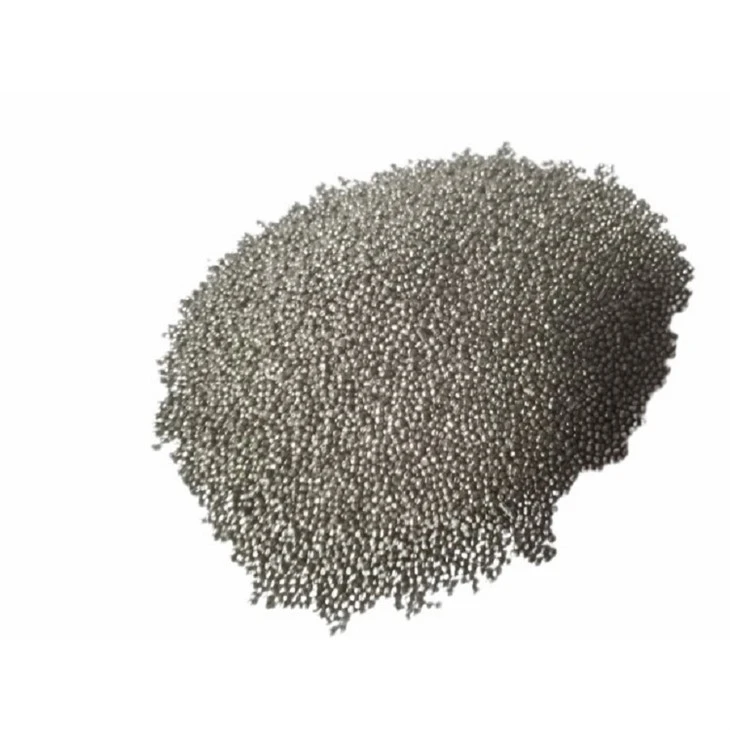

If you're in need of steel shot for your specific application, whether it's Steel Shot Abrasive, Counter weight Steel Shot, or Intensified Grinding Pill, I encourage you to contact me for a detailed discussion. We can work together to select the most suitable steel shot and develop strategies to maximize its lifespan, ultimately saving you time and money.
References
- ASTM International standards on steel shot quality and testing.
- Industry research reports on the performance of steel shot in different applications.
- Manufacturer's technical documentation on steel shot production and usage.


