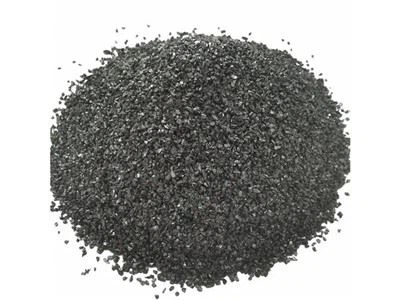
In the realm of industrial abrasives, bearing steel sand stands out as a crucial material for various applications, from metal surface treatment to precision engineering. As a prominent supplier of bearing steel sand, I have witnessed firsthand the diverse needs and inquiries of our clients, with one question frequently arising: "What is the lifespan of bearing steel sand in normal use?" In this blog post, we'll delve into the factors influencing the lifespan of bearing steel sand and shed light on how to optimize its performance.
Understanding Bearing Steel Sand
Bearing steel sand is renowned for its high hardness, excellent toughness, and resistance to wear and fatigue. These properties make it an ideal choice for abrasive blasting, shot peening, and other surface treatment processes. The quality of bearing steel sand is determined by several key factors, including its chemical composition, grain size, and manufacturing process.
Factors Affecting the Lifespan of Bearing Steel Sand
The lifespan of bearing steel sand in normal use can vary significantly depending on a multitude of factors. Understanding these factors is crucial for maximizing the efficiency and cost - effectiveness of your operations.
1. Application and Usage Conditions
The type of application in which bearing steel sand is used plays a significant role in determining its lifespan. For instance, in abrasive blasting applications where the sand is used to remove rust, scale, or old paint from metal surfaces, the lifespan can be affected by the hardness of the substrate, the blasting pressure, and the blasting angle. Higher blasting pressures and harder substrates generally result in faster wear of the bearing steel sand.
In shot peening applications, which are used to improve the fatigue life of metal components by inducing compressive stresses on the surface, the lifespan of bearing steel sand can be influenced by the intensity of the peening process and the frequency of use. More intense peening processes and continuous use can lead to a shorter lifespan of the sand.
2. Quality of the Bearing Steel Sand
The quality of the bearing steel sand itself is a critical factor. High - quality bearing steel sand, such as G50 Steel Grit, is manufactured using advanced processes and strict quality control measures. It typically has a more uniform grain size, higher hardness, and better toughness, which can result in a longer lifespan compared to lower - quality alternatives.
The chemical composition of the bearing steel sand also matters. A well - balanced composition with the right amounts of carbon, chromium, and other alloying elements can enhance its wear resistance and durability. For example, Abrasive Blasting Steel is formulated to provide optimal performance in abrasive blasting applications, thanks to its carefully engineered chemical makeup.
3. Storage and Handling
Proper storage and handling of bearing steel sand are essential for maintaining its quality and extending its lifespan. Bearing steel sand should be stored in a dry, clean environment to prevent rust and contamination. Exposure to moisture can cause the sand to corrode, which not only reduces its effectiveness but also shortens its lifespan.
During handling, it's important to avoid excessive agitation or rough handling that could cause the sand to break or chip. Using appropriate equipment and following recommended handling procedures can help preserve the integrity of the bearing steel sand.
Assessing the Lifespan of Bearing Steel Sand
Determining the exact lifespan of bearing steel sand in normal use can be challenging, as it depends on the factors mentioned above. However, there are some general guidelines that can be used to estimate its lifespan.
In abrasive blasting applications, the lifespan of bearing steel sand is often measured in terms of the number of blasting cycles. A high - quality bearing steel sand can typically last for several hundred to thousands of blasting cycles, depending on the application conditions. For example, in a light - duty blasting operation on a relatively soft substrate, the sand may last for up to 1000 cycles. In a heavy - duty operation on a hard substrate, the lifespan may be reduced to a few hundred cycles.
In shot peening applications, the lifespan can be evaluated based on the change in the peening intensity and the surface condition of the components being treated. As the bearing steel sand wears over time, the peening intensity may decrease, and the surface finish of the components may deteriorate. When these changes become significant, it's a sign that the sand needs to be replaced.
Strategies to Extend the Lifespan of Bearing Steel Sand
1. Optimize the Application Process
Fine - tuning the application process can significantly extend the lifespan of bearing steel sand. For abrasive blasting, adjusting the blasting pressure, nozzle distance, and blasting angle can reduce the wear on the sand while still achieving the desired surface treatment results. For shot peening, controlling the peening intensity and frequency can ensure that the sand is used efficiently.
2. Use High - Quality Equipment
Investing in high - quality blasting or peening equipment can also make a difference. Well - designed equipment can ensure a more uniform distribution of the bearing steel sand, reducing the likelihood of uneven wear. Additionally, equipment that is properly maintained can function more efficiently, further extending the lifespan of the sand.
3. Regularly Inspect and Replace Worn Parts
In the equipment used with bearing steel sand, certain parts are prone to wear, such as nozzles in blasting equipment and peening blades in shot peening machines. Regularly inspecting and replacing these worn parts can prevent additional wear on the sand and ensure the proper functioning of the equipment.
Conclusion
The lifespan of bearing steel sand in normal use is a complex topic influenced by multiple factors, including application conditions, sand quality, storage, and handling. As a supplier of bearing steel sand, we understand the importance of providing high - quality products and offering comprehensive support to our clients. By choosing high - quality bearing steel sand like G50 Steel Grit and Abrasive Blasting Steel, and implementing the strategies to extend its lifespan, our clients can achieve greater efficiency and cost - savings in their operations.


If you are interested in learning more about our bearing steel sand products, or if you have specific requirements for your applications, we encourage you to contact us for further discussion. We are committed to providing you with the best solutions tailored to your needs.
References
- "Blasting and Peening Handbook", Industry Press, 2020
- "Advanced Materials for Abrasive Applications", Academic Publishers, 2018
- "Surface Treatment Technologies", Professional Publishing, 2019