


Hey there! As a supplier of Bearing Steel Sand, I often get asked about the hardness of this amazing material. So, I thought I'd take a few minutes to break it down for you and explain why it matters.
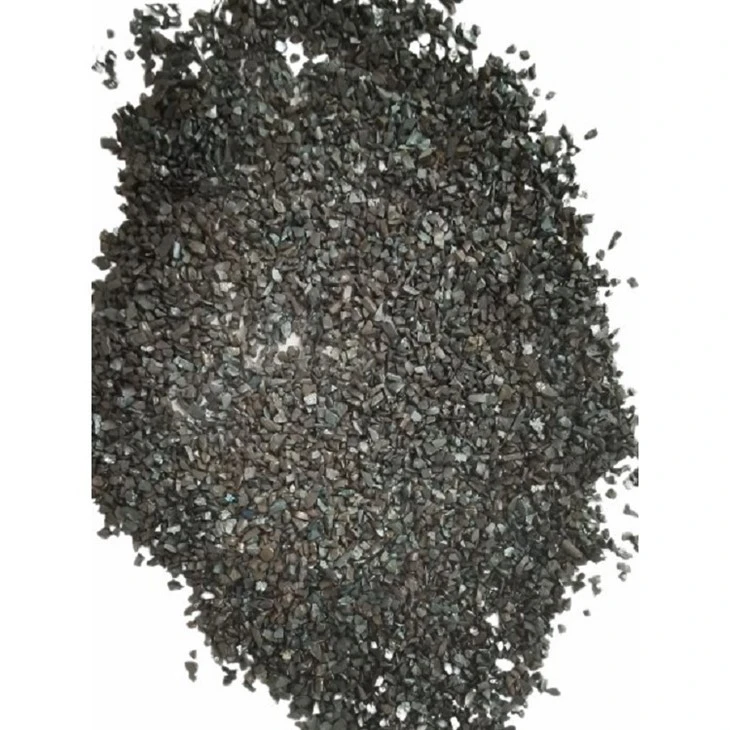
First off, let's talk about what bearing steel sand is. It's a type of abrasive material made from high - quality bearing steel. This steel is known for its toughness, durability, and resistance to wear and tear. The sand is created by crushing and processing the bearing steel into small, granular particles. These particles are then used in a variety of applications, from surface preparation to metal finishing.
Now, let's dive into the hardness of bearing steel sand. Hardness is a crucial property when it comes to abrasive materials. It determines how well the sand can cut through and remove material from a surface. The harder the sand, the more effective it is at abrasion.
Bearing steel sand typically has a high hardness level. This is because the bearing steel it's made from is heat - treated and alloyed to achieve a specific hardness. The hardness of bearing steel sand is usually measured on the Rockwell hardness scale. Most bearing steel sands have a Rockwell hardness in the range of 58 - 65 HRC (Hardness Rockwell C). This high hardness allows the sand to quickly and efficiently remove rust, scale, paint, and other contaminants from metal surfaces.
One of the reasons why the hardness of bearing steel sand is so important is its impact on the efficiency of the abrasive process. When you're using an abrasive material, you want it to do the job as quickly as possible without wearing out too fast. A harder sand can cut through tough materials more easily, reducing the time and effort required for surface preparation.
Another advantage of the high hardness of bearing steel sand is its reusability. Because it's so hard, it can withstand multiple cycles of use without breaking down or losing its cutting ability. This means that you can use the same batch of sand for a longer period, which is not only cost - effective but also more environmentally friendly.
Let's take a look at some of the different types of bearing steel sand available and how their hardness affects their performance.
G50 Steel Grit
G50 Steel Grit is a popular choice for many abrasive blasting applications. It has a relatively high hardness within the range typical for bearing steel sand. This makes it great for heavy - duty surface preparation, such as removing thick layers of rust or scale from large metal structures. The hardness of G50 Steel Grit allows it to penetrate deeply into the surface, ensuring a thorough cleaning and a good surface profile for painting or coating.
Bearing Steel Grit
Bearing Steel Grit is, of course, the star of the show. Its high hardness gives it excellent cutting power and durability. Whether you're working on automotive parts, machinery components, or industrial equipment, bearing steel grit can handle the job. It's also very effective at creating a uniform surface finish, which is important for applications where appearance matters as well as functionality.
GH 80 Steel Grit
GH 80 Steel Grit is another option with a high hardness. It's often used in applications where a finer finish is required. The hardness of GH 80 Steel Grit allows it to remove surface imperfections without causing excessive damage to the underlying material. This makes it ideal for precision metal finishing tasks, such as preparing parts for plating or polishing.
When choosing the right bearing steel sand for your application, it's important to consider the hardness along with other factors like particle size and shape. The combination of these properties will determine how well the sand performs in your specific task.
So, how do we ensure that the bearing steel sand we supply has the right hardness? Well, it all starts with the raw materials. We source high - quality bearing steel from trusted suppliers. Then, during the manufacturing process, we carefully control the heat - treatment and alloying steps to achieve the desired hardness. We also conduct regular quality checks using advanced testing equipment to make sure that every batch of sand meets our strict standards.
In addition to hardness, there are other properties of bearing steel sand that are worth mentioning. For example, its density affects how it behaves during the abrasive process. A higher - density sand will have more kinetic energy when it hits the surface, which can improve its cutting ability. Also, the shape of the sand particles can impact the finish. Angular particles tend to cut more aggressively, while rounded particles can create a smoother finish.

If you're in the market for bearing steel sand, I highly recommend considering the hardness as a key factor. It can make a big difference in the quality and efficiency of your abrasive operations. And if you have any questions about which type of bearing steel sand is right for you, don't hesitate to reach out. We're here to help you find the perfect solution for your needs.
Whether you're a small - scale workshop or a large industrial facility, our bearing steel sand can provide you with the performance and reliability you need. So, why not give it a try? Contact us today to discuss your requirements and start a conversation about how our bearing steel sand can improve your processes.
References
- ASM Handbook Volume 1: Properties and Selection: Irons, Steels, and High - Performance Alloys
- ASTM International Standards on Abrasive Materials


