



Yo, what's up! As a supplier of Spherical Steel Shot, I often get asked about the electrical conductivity of this nifty product. So, I thought I'd sit down and break it all down for you in this blog post.
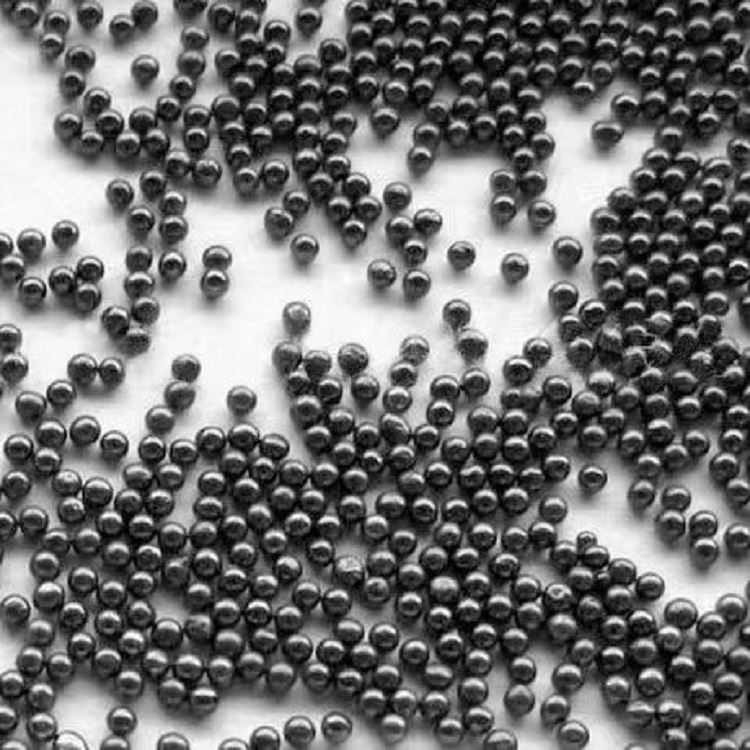
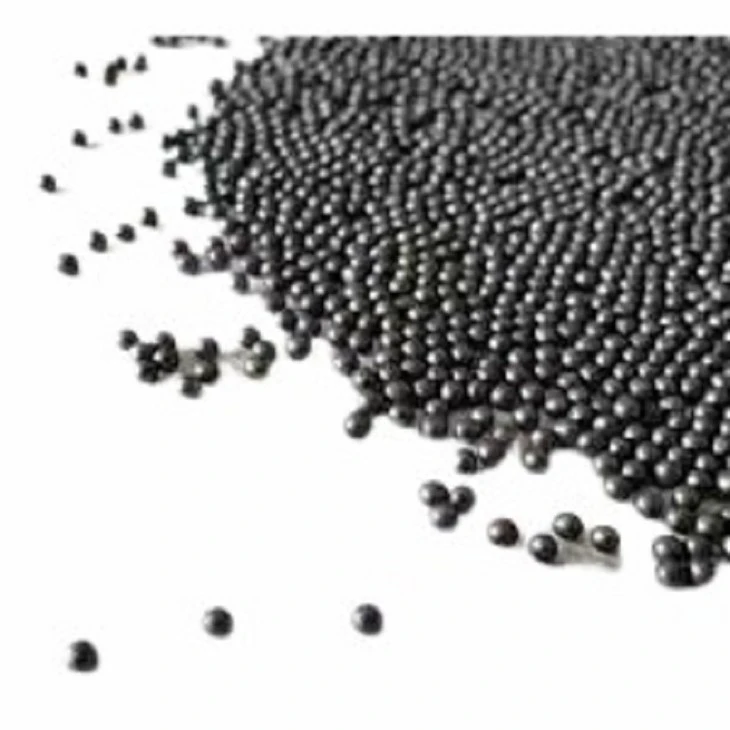
First off, let's talk a bit about what spherical steel shot is. It's basically small, round pellets made of steel. These little guys are used in a whole bunch of industries, from metalworking to construction. You name it, there's probably a use for spherical steel shot in that field.

Now, onto the main topic: electrical conductivity. Electrical conductivity is a measure of how well a material can conduct an electric current. Metals are generally good conductors of electricity because they have free electrons that can move around easily. Steel, being an alloy mainly composed of iron and carbon, also has a certain level of electrical conductivity.
Spherical steel shot, due to its steel composition, does conduct electricity. But how well it does that depends on a few factors. One of the key factors is the type of steel used to make the shot. Different steel alloys have different amounts of other elements mixed in, and these can affect the electrical conductivity.
For example, Alloy Steel Shot contains additional elements like chromium, nickel, or molybdenum. These elements can change the way the electrons move through the steel, which in turn affects the conductivity. Some alloying elements might increase the conductivity, while others could decrease it slightly.
Another factor is the purity of the steel. If the steel has a lot of impurities, these can act as obstacles for the electrons trying to flow through the material. So, a purer steel shot will generally have better electrical conductivity than one with more impurities.
The size of the spherical steel shot can also play a role. Smaller shot might have a slightly different conductivity compared to larger ones. This is because the surface - to - volume ratio changes with the size. Smaller shot has a larger surface - to - volume ratio, which can influence how the electrons interact with the surface of the shot and how they move through it.
In practical applications, the electrical conductivity of spherical steel shot might not always be the first thing that comes to mind. But there are some cases where it matters. For instance, in some metalworking processes where electrical currents are used, like electroplating or electrical discharge machining (EDM). In electroplating, the shot might be used as part of the substrate or in a media that needs to conduct electricity properly for the plating process to work effectively.
In EDM, the electrical conductivity of the steel shot can affect the efficiency of the machining. If the conductivity is too low, the electrical discharge might not be as effective, leading to slower machining times or lower quality results.
Now, let's compare spherical steel shot with some other related products. Counterweight Steel Sand is another product we offer. While it's also made of steel, its shape and size distribution are different from spherical steel shot. The sand - like particles of counterweight steel sand might have a different electrical conductivity pattern. The smaller, irregularly shaped particles could have a different surface - to - volume ratio and packing density, which can impact how well they conduct electricity.
Steel Shot Abrasive is mainly used for surface cleaning and finishing. Its electrical conductivity is also important in some specialized applications. For example, in some industrial cleaning processes that involve electrical methods, the ability of the steel shot abrasive to conduct electricity can affect the overall efficiency of the cleaning operation.
So, how can we measure the electrical conductivity of spherical steel shot? There are a few ways. One common method is the four - point probe technique. This involves passing an electric current through the shot sample using two outer probes and measuring the voltage across the sample using two inner probes. By applying Ohm's law (V = IR), we can calculate the resistance of the sample, and from that, we can determine the conductivity.
Another method is the two - point probe method, which is simpler but less accurate. It just involves applying a current and measuring the voltage across the sample using two probes. However, this method can be affected by contact resistance between the probes and the shot, which can lead to inaccurate results.
In the real world, the electrical conductivity of spherical steel shot can vary quite a bit depending on the specific batch and manufacturing process. That's why we, as suppliers, make sure to test each batch thoroughly to ensure consistent quality. We use advanced testing equipment and follow strict quality control procedures to guarantee that our customers get the best - performing spherical steel shot.
If you're in an industry where the electrical conductivity of spherical steel shot matters, you might be wondering which type of shot is best for your application. Well, it really depends on your specific needs. If you need high conductivity, you might want to go for a purer steel shot or a specific alloy that's known for its good electrical properties.
On the other hand, if you're more concerned about other properties like hardness or abrasion resistance, you might have to make a trade - off. Sometimes, an alloy that has great hardness might not have the highest electrical conductivity.
We're here to help you make the right choice. Our team of experts has a deep understanding of the properties of spherical steel shot, including its electrical conductivity. We can work with you to understand your requirements and recommend the best product for your application.
Whether you're using spherical steel shot for metalworking, construction, or any other industry, we've got you covered. We offer a wide range of products, including Counterweight Steel Sand, Steel Shot Abrasive, and Alloy Steel Shot.
If you're interested in purchasing our spherical steel shot or have any questions about its electrical conductivity or other properties, don't hesitate to reach out. We're always happy to have a chat and discuss how we can meet your needs.
References
- "Introduction to Materials Science for Engineers" by James F. Shackelford
- "Metals Handbook: Properties and Selection: Irons, Steels, and High - Performance Alloys" published by ASM International


