



Hey there! As a Carbon Steel Grit supplier, I often get asked about the electrical conductivity of Carbon Steel Grit. So, I thought I'd take the time to break it down for you in this blog post.
First off, let's talk a bit about what Carbon Steel Grit is. It's a type of abrasive material made from high - carbon steel. We use it in a bunch of different industries, like metalworking, construction, and automotive. It's great for cleaning, deburring, and surface preparation because of its hardness and durability.
Now, to the main question: What is the electrical conductivity of Carbon Steel Grit? Well, carbon steel is a conductor of electricity. That's because it contains iron, which has free electrons that can move around easily. When an electric potential is applied, these free electrons start to flow, creating an electric current.
The electrical conductivity of carbon steel depends on a few factors. One of the most important ones is the carbon content. Generally, as the carbon content in the steel increases, the electrical conductivity decreases. This is because carbon atoms can disrupt the regular lattice structure of the iron, making it harder for the free electrons to move.
Another factor is the presence of impurities. Other elements like sulfur, phosphorus, and manganese can also affect the electrical conductivity. For example, sulfur can form sulfide inclusions in the steel, which can act as barriers to electron flow.
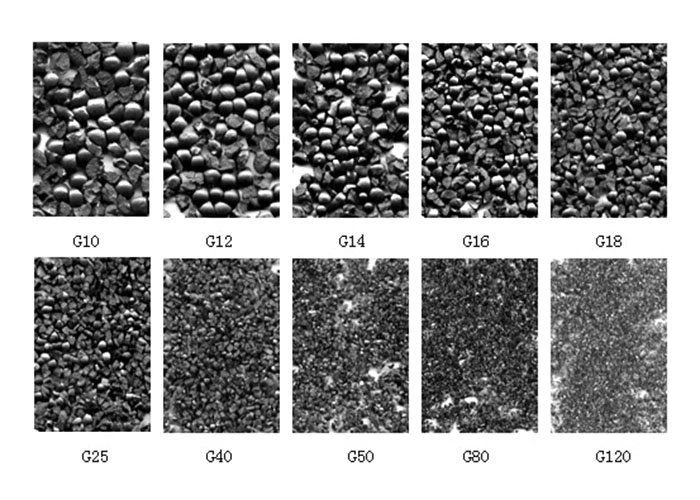
The grain size of the Carbon Steel Grit also plays a role. Finer grits might have a slightly different electrical conductivity compared to coarser ones. This is because the surface - to - volume ratio changes with the grain size, which can influence how the electrons interact with the material.
On average, the electrical conductivity of carbon steel is in the range of about 10% to 20% of that of pure copper. Copper is one of the best conductors out there, so while carbon steel is a conductor, it's not as good as copper.

Let's talk about why the electrical conductivity of Carbon Steel Grit matters. In some industrial applications, the electrical properties of the abrasive can be crucial. For example, in some electro - chemical processes, the ability of the grit to conduct electricity can affect the efficiency of the process. If the conductivity is too low, it might slow down the reaction or make it less effective.
Now, if you're in the market for Carbon Steel Grit, we offer a variety of products. Check out our Steel Grit blasting abrasive GH18, which is known for its high - quality and consistent performance. We also have Grit Steel, which is a popular choice for many industrial applications. And if you need a specific size, our Steel Grit blasting abrasive G40 might be just what you're looking for.
Whether you're using Carbon Steel Grit for sandblasting, shot peening, or any other application, we've got you covered. Our products are made to meet the highest standards, and we can provide you with the right grit for your specific needs.
If you're interested in learning more about our Carbon Steel Grit products or want to discuss your requirements, don't hesitate to reach out. We're here to help you find the best solution for your business. Whether you're a small workshop or a large industrial facility, we can work with you to get the right abrasive at the right price.
In conclusion, the electrical conductivity of Carbon Steel Grit is an important property that can vary depending on several factors. Understanding these factors can help you choose the right grit for your application. And if you're looking for a reliable supplier of Carbon Steel Grit, we're here for you.
References:
- "Metallurgy for Dummies" by John R. Totten
- "Introduction to Materials Science for Engineers" by James F. Shackelford


