



Hey there! As a steel grit supplier, I've seen firsthand how different factors can impact the blasting process. One factor that often doesn't get enough attention is the temperature of the steel grit. In this blog post, I'll dive into what effect steel grit temperature has on the blasting process and why it matters.
Understanding the Basics of Blasting
Before we get into the nitty - gritty of steel grit temperature, let's quickly go over what blasting is. Blasting is a surface treatment process where abrasive particles, like steel grit, are propelled at high speeds onto a surface. This helps to clean, prepare, or finish the surface. It's used in a wide range of industries, from automotive to construction.
How Temperature Affects Steel Grit Properties
The temperature of steel grit can have a significant impact on its physical and mechanical properties. When steel grit is heated, its hardness can change. At higher temperatures, the steel may become softer due to a process called annealing. Annealing is a heat - treatment process that reduces internal stresses and makes the metal more ductile.
On the flip side, if the steel grit is too cold, it can become more brittle. Brittle steel grit is more likely to break during the blasting process. When the grit breaks, it loses its effectiveness as an abrasive. It also means that you'll need to use more grit to achieve the same level of surface treatment, which can increase costs.
Impact on Blasting Efficiency
The efficiency of the blasting process is directly related to the performance of the steel grit. When the temperature is just right, the steel grit can maintain its shape and sharp edges for longer. This allows it to remove surface contaminants more effectively.
For example, if you're using GH 12 Steel Grit for blasting, a proper temperature ensures that it can dig into the surface and remove rust, paint, or other coatings with ease. If the grit is too hot and soft, it won't be able to cut through the contaminants as well. And if it's too cold and brittle, it will break apart quickly, leaving you with a less - efficient blasting operation.
Surface Finish Quality
The temperature of the steel grit also affects the quality of the surface finish. A consistent temperature helps to create a more uniform surface finish. When the grit is at an optimal temperature, it can create a smooth and even texture on the blasted surface.
If the steel grit is too hot, it may cause the surface to warp or distort. This is especially true for thinner materials. On the other hand, cold and brittle grit can create a rough and uneven surface finish. For applications where a high - quality surface finish is required, like in the aerospace industry, getting the steel grit temperature right is crucial.
Wear and Tear on Blasting Equipment
Another aspect to consider is the wear and tear on the blasting equipment. When steel grit is at an improper temperature, it can cause more damage to the blasting nozzles, hoses, and other components.
Hot steel grit can cause the nozzles to expand, which may lead to uneven blasting patterns. Cold and brittle grit can cause more abrasion inside the hoses and nozzles, reducing their lifespan. By maintaining the right temperature of the steel grit, you can extend the life of your blasting equipment and save on replacement costs.
Different Types of Steel Grit and Temperature Sensitivity
Not all steel grits react the same way to temperature changes. For instance, Carbon Steel Grit has a different temperature sensitivity compared to Bearing Steel Grit.

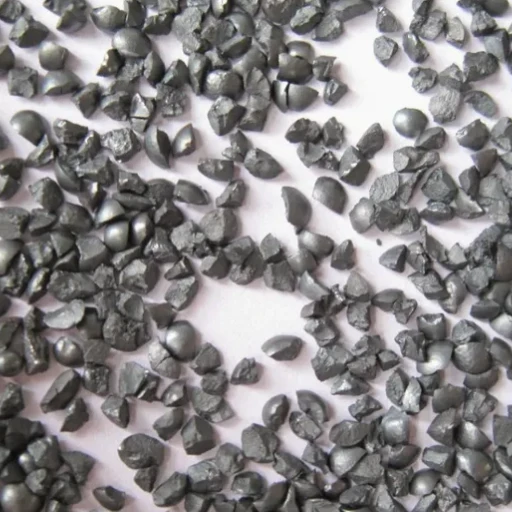
Carbon steel grit is more common and is often used in general - purpose blasting applications. It can tolerate a wider range of temperatures, but extreme heat or cold can still affect its performance. Bearing steel grit, on the other hand, is known for its high hardness and durability. However, it may be more sensitive to temperature changes, and even a small deviation from the optimal temperature can impact its effectiveness.
Controlling Steel Grit Temperature
Controlling the temperature of the steel grit is essential for a successful blasting process. There are several ways to do this. One simple method is to store the steel grit in a temperature - controlled environment. This helps to keep the grit at a consistent temperature before it's used in the blasting process.
During the blasting operation, you can also monitor the temperature of the grit. Some advanced blasting systems come with temperature sensors that can detect if the grit is getting too hot or too cold. If necessary, you can adjust the blasting parameters, such as the air pressure or the feed rate, to maintain the right temperature.
Conclusion
In conclusion, the temperature of steel grit plays a vital role in the blasting process. It affects the properties of the grit, the efficiency of the blasting operation, the quality of the surface finish, and the wear and tear on the equipment. As a steel grit supplier, I always recommend my customers to pay close attention to the temperature of the grit they're using.
If you're looking for high - quality steel grit for your blasting needs, we've got you covered. Whether it's GH 12 Steel Grit, Carbon Steel Grit, or Bearing Steel Grit, we have a wide range of products to suit different applications. If you're interested in learning more or want to start a procurement discussion, don't hesitate to reach out. We're here to help you get the most out of your blasting process.
References
- Smith, J. (2018). "The Impact of Abrasive Properties on Blasting Efficiency". Journal of Surface Treatment Technology.
- Johnson, M. (2019). "Temperature Effects on Metal Abrasives". Industrial Blasting Magazine.
- Brown, A. (2020). "Optimizing Blasting Processes with Proper Abrasive Management". International Journal of Manufacturing Engineering.


