


Hey there! As a steel grit supplier, I've been in the industry for quite a while, and one question that often pops up is: "What is the effect of steel grit moisture content on the blasting process?" Well, let's dive right in and explore this topic together.
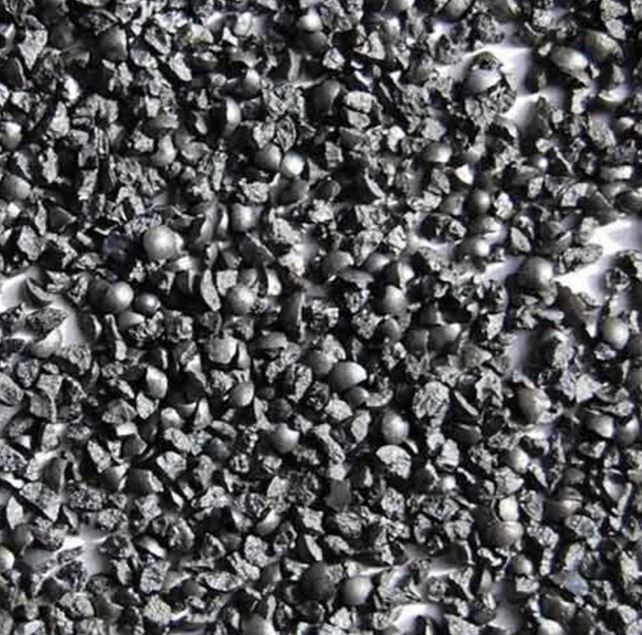
First off, let's understand what steel grit is. Steel grit is a type of abrasive used in sandblasting, which is a process where abrasive materials are propelled at high speeds to clean, etch, or prepare surfaces. It comes in different sizes and qualities, like the Steel Grit sand blasting GP14, Steel Shot And Grit, and Precision Steel Grit. Each type has its own unique properties and uses, but today we're focusing on how moisture content can impact the blasting process.
Impact on Blasting Efficiency
Moisture in steel grit can significantly reduce the efficiency of the blasting process. When steel grit is wet, the individual particles tend to clump together. This clumping means that instead of having a uniform distribution of grit hitting the surface, you end up with larger, irregular chunks. These chunks don't hit the surface as effectively as individual particles would.
For example, in a normal blasting operation with dry steel grit, the particles bounce off the surface in a controlled manner, constantly refreshing the abrasive action. But when there's moisture, the clumps are more likely to stick to the surface or break apart in an unpredictable way. This leads to less consistent blasting and can require more passes over the surface to achieve the desired result. In other words, it takes longer to clean or prepare the surface, which means increased labor costs and reduced productivity.
Surface Finish Quality
The moisture content also has a big impact on the quality of the surface finish. A dry steel grit will typically produce a clean, uniform finish. The individual particles strike the surface at a consistent angle and force, creating a smooth and even texture.
However, when steel grit is moist, the clumping can cause uneven blasting. Some areas of the surface may receive more abrasive action than others, resulting in a patchy finish. This is especially problematic in applications where a high - quality surface finish is crucial, such as in the automotive or aerospace industries. A poor surface finish can affect the adhesion of coatings, leading to premature coating failure and potentially compromising the integrity of the final product.
Equipment Wear and Tear
Moisture in steel grit can accelerate the wear and tear of blasting equipment. The clumps of wet grit are more abrasive on the blasting nozzles and hoses. The nozzles are designed to handle a certain flow of individual particles, and the larger clumps can cause increased friction and abrasion inside the nozzle. This can lead to premature nozzle wear, which means more frequent nozzle replacements.
In addition, the moisture can cause corrosion in the blasting equipment. Steel components in the blasting system, such as the hoppers, pipes, and valves, are susceptible to rust when exposed to moisture - laden steel grit. Corrosion not only weakens the equipment but can also contaminate the steel grit further, creating a vicious cycle of inefficiency and damage.
Dust Generation and Air Quality
Another aspect affected by moisture in steel grit is dust generation. Normally, dry steel grit produces a certain amount of dust during the blasting process. This dust can be controlled with proper ventilation and dust collection systems.

When steel grit is wet, the dust generation is different. The clumping of the grit can cause larger particles to break off during blasting, which may not be as easily captured by the dust collection system. Also, the moisture can cause the dust to stick to the inside of the ventilation ducts, reducing the effectiveness of the dust collection. This can lead to poor air quality in the blasting area, which is a health hazard for the operators. Exposure to dust can cause respiratory problems, and in extreme cases, it can even lead to long - term health issues like silicosis.
How to Control Moisture Content
So, how can we control the moisture content of steel grit? The first step is proper storage. Steel grit should be stored in a dry environment, preferably in sealed containers or silos. This helps prevent moisture from getting in and keeps the grit dry until it's ready to be used.
Before using the steel grit, it's a good idea to perform a simple moisture test. You can do this by taking a small sample of the grit and heating it in an oven at a low temperature for a short period. If there's moisture, you'll see steam rising from the sample. If moisture is detected, the grit can be dried using a suitable drying method, such as using a dehumidifier or a specialized grit dryer.
Conclusion
In conclusion, the moisture content of steel grit has a profound effect on the blasting process. It can reduce efficiency, compromise surface finish quality, increase equipment wear, and affect air quality. As a steel grit supplier, I understand the importance of providing high - quality, dry steel grit to my customers.
If you're in the market for steel grit and want to ensure a smooth and efficient blasting process, it's crucial to pay attention to the moisture content. Whether you need Steel Grit sand blasting GP14, Steel Shot And Grit, or Precision Steel Grit, we've got you covered.
If you have any questions about our steel grit products or need advice on how to optimize your blasting process, don't hesitate to reach out. We're here to help you get the best results from your blasting operations. Let's work together to make your projects a success!
References
- ASM Handbook, Volume 5: Surface Engineering. ASM International.
- Blasting Abrasives: Selection and Application Guide. Industrial Abrasives Association.


