



Hey there! As a steel grit supplier, I often get asked about the ideal blasting pressure for steel grit. It's a crucial topic because the right pressure can make a huge difference in the efficiency and quality of your blasting operations. In this blog, I'll break down everything you need to know about finding that sweet - spot blasting pressure for steel grit.
Understanding Steel Grit
First off, let's quickly go over what steel grit is. Steel grit is a powerful abrasive media made from high - carbon steel. It's known for its durability, angular shape, and excellent cutting ability. This makes it a top choice for a variety of surface preparation tasks, like cleaning, descaling, and peening. Whether you're working on a small DIY project or a large industrial job, steel grit can get the job done effectively.

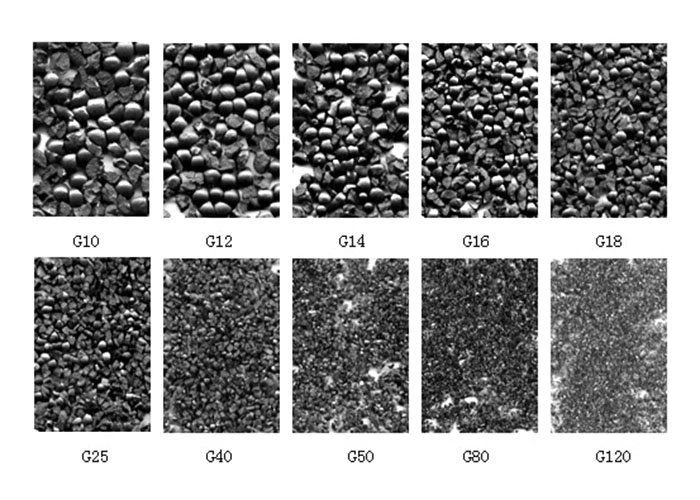
There are different types of steel grit available in the market. For example, the GH 18 Steel Grit is a popular option. It has specific characteristics that make it suitable for certain applications. The size, hardness, and shape of the grit particles can all influence how the blasting process works.
Factors Affecting the Blasting Pressure
Now, let's talk about the factors that play a role in determining the right blasting pressure for steel grit.
Surface Material
The type of surface you're blasting is a major factor. If you're working on a soft material, like aluminum, you'll need a lower blasting pressure. High pressure could damage the surface, causing dents or warping. On the other hand, when blasting a hard material such as thick steel plates, a higher pressure might be required to effectively remove rust, scale, or old paint.
Grit Size
The size of the steel grit also matters. Smaller grit sizes generally require less pressure to achieve the desired effect. They can penetrate and clean small areas more precisely. Larger grit sizes, however, need more force to move and impact the surface. For instance, if you're using a fine - grained steel grit, you can get away with a lower pressure compared to a coarser grit.
Desired Finish
What kind of finish are you aiming for? If you want a smooth, polished surface, you might need to adjust the pressure accordingly. A lower pressure can result in a more gentle finish, while a higher pressure can create a rougher, more textured surface. This is important for applications where the surface finish affects the adhesion of coatings or the functionality of the part.
Determining the Suitable Blasting Pressure
So, how do you figure out the right blasting pressure? Well, it's not an exact science, but there are some general guidelines.
For light cleaning and surface preparation of softer metals or when a gentle finish is desired, a blasting pressure in the range of 40 - 60 psi (pounds per square inch) can be sufficient. This pressure is gentle enough to remove light rust, dirt, and contaminants without causing excessive damage to the surface.
When dealing with medium - duty tasks, like removing moderate rust or paint from steel surfaces, a pressure between 60 - 80 psi is often a good starting point. This range provides enough force to break down the unwanted layers while still being controllable.
For heavy - duty applications, such as removing thick scale or preparing surfaces for heavy - duty coatings on large steel structures, a pressure of 80 - 120 psi or even higher might be needed. However, you need to be careful when using high pressures, as they can cause excessive wear on the blasting equipment and may also damage the workpiece if not properly controlled.
It's always a good idea to start with a lower pressure and gradually increase it while monitoring the results. This way, you can find the perfect balance for your specific application.
Benefits of Using the Right Blasting Pressure
Using the appropriate blasting pressure for steel grit offers several benefits.
Efficiency
The right pressure ensures that the steel grit is used effectively. It maximizes the impact of the grit on the surface, reducing the time and amount of grit needed to complete the job. This means you can save on both time and money in the long run.
Quality of Finish
As mentioned earlier, the correct pressure helps you achieve the desired surface finish. Whether it's a smooth, clean surface for painting or a textured surface for better adhesion, using the right pressure is key to getting high - quality results.
Equipment Longevity
Using the proper pressure also extends the life of your blasting equipment. High pressures can cause excessive wear on the nozzles, hoses, and other components. By using the right pressure, you can reduce the frequency of equipment replacements and maintenance.
Applications of Steel Grit Blasting
Steel grit blasting has a wide range of applications. In the automotive industry, it's used to clean engine parts, remove rust from car frames, and prepare surfaces for painting. In the construction industry, it's employed to clean and prepare steel structures before they're coated or welded.
If you're interested in learning more about the applications of steel grit, you can check out Grit Blasting Stainless Steel. It provides in - depth information on how to blast stainless steel using steel grit.
Choosing the Right Steel Grit Blasting Media
When it comes to steel grit blasting, choosing the right blasting media is just as important as determining the correct blasting pressure. Our Steel Grit Blasting Media is carefully formulated to meet the highest standards. It offers consistent performance and is available in various sizes and grades to suit different applications.
Conclusion
In conclusion, finding the suitable blasting pressure for steel grit depends on several factors, including the surface material, grit size, and desired finish. By understanding these factors and following the general guidelines, you can achieve efficient, high - quality blasting results.
If you're in the market for steel grit or have any questions about the blasting process, don't hesitate to reach out. We're here to help you find the best solutions for your surface preparation needs. Whether you're a small business owner or a large industrial operator, we can provide you with the right steel grit and expert advice. Contact us today to start a conversation about your project and let's work together to get the job done right!
References
- Industry standards and guidelines for abrasive blasting
- Manufacturer's specifications for steel grit products
- Technical literature on surface preparation and blasting processes


