



Steel shot is a widely used abrasive material in various industries, including metalworking, automotive, aerospace, and construction. It is known for its durability, high impact resistance, and ability to clean and prepare surfaces effectively. However, the standards for steel shot can vary significantly from one country to another, which can pose challenges for suppliers and users alike. As a steel shot supplier, I understand the importance of adhering to these standards to ensure the quality and performance of our products. In this blog post, I will explore the standards for steel shot in different countries and how they impact the industry.
United States
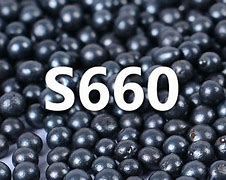
In the United States, the most commonly used standard for steel shot is the Society of Automotive Engineers (SAE) J444 specification. This standard defines the requirements for the chemical composition, hardness, density, and particle size distribution of steel shot. According to SAE J444, steel shot is classified into different grades based on its size, with each grade having specific particle size limits. For example, S 660 Steel Shot has a nominal size of 1.7 mm, while S 110 Steel Shot has a nominal size of 0.28 mm.
The chemical composition of steel shot is also crucial, as it affects its hardness and wear resistance. SAE J444 specifies that steel shot should contain a minimum of 98% iron, with controlled amounts of carbon, manganese, silicon, sulfur, and phosphorus. The hardness of steel shot is typically measured on the Rockwell C scale, and SAE J444 requires a hardness range of 40-50 HRC for most grades.
In addition to SAE J444, the American Society for Testing and Materials (ASTM) also has standards related to steel shot, such as ASTM A18-17 for cast steel shot and grit. These standards provide more detailed information on the manufacturing process, quality control, and testing methods for steel shot.
Europe
In Europe, the standard for steel shot is mainly governed by the International Organization for Standardization (ISO) and the European Committee for Standardization (CEN). ISO 11124-3 and ISO 11126-3 are the key standards for metallic blast-cleaning abrasives, including steel shot. These standards specify the requirements for the chemical composition, hardness, density, and particle size distribution of steel shot.
Similar to the SAE standards in the United States, the ISO standards classify steel shot into different grades based on its size. The particle size distribution is carefully controlled to ensure consistent performance. The chemical composition requirements are also similar, with a focus on maintaining high iron content and controlling the levels of other elements.

In addition to the ISO standards, individual European countries may have their own national standards or regulations that supplement the international standards. For example, Germany has the DIN standards, which are widely recognized and followed in the German market.
China
China is one of the largest producers and consumers of steel shot in the world. The Chinese standard for steel shot is GB/T 18838, which is equivalent to the ISO standards in many aspects. This standard defines the requirements for the chemical composition, hardness, density, and particle size distribution of steel shot.
The Chinese standard also classifies steel shot into different grades based on its size, and it emphasizes the importance of quality control in the manufacturing process. Chinese manufacturers are required to follow strict production procedures to ensure that their products meet the national standards.
Japan
In Japan, the standard for steel shot is JIS G 5901. This standard specifies the requirements for the chemical composition, hardness, density, and particle size distribution of steel shot. Similar to other countries, the Japanese standard classifies steel shot into different grades based on its size.
The JIS standard also places a strong emphasis on the quality and performance of steel shot. Japanese manufacturers are known for their high - precision manufacturing processes and strict quality control, which ensure that their steel shot products meet the demanding requirements of various industries.
Impact on the Industry
The differences in standards for steel shot in different countries can have several impacts on the industry. Firstly, it can create challenges for international trade. Suppliers need to ensure that their products meet the specific standards of the target market, which may require additional testing and certification. This can increase the cost and time involved in exporting steel shot.
Secondly, it can affect the performance of steel shot in different applications. For example, if a user in one country is accustomed to a certain grade of steel shot based on their national standard, using a steel shot from another country with different specifications may result in sub - optimal performance. This can lead to issues such as inefficient cleaning, increased wear on equipment, and poor surface finish.
As a steel shot supplier, we are constantly aware of these differences and work hard to meet the diverse needs of our customers. We have a comprehensive quality control system in place to ensure that our Cast Steel Shot and other products meet the relevant standards in different countries. We also provide technical support to our customers to help them choose the right steel shot for their specific applications.
Choosing the Right Steel Shot
When choosing steel shot, it is essential to consider the standards of the country where it will be used. Here are some factors to keep in mind:
- Particle Size: The particle size of steel shot affects its cleaning efficiency and surface finish. Larger particles are generally more suitable for heavy - duty cleaning, while smaller particles are better for fine finishing.
- Hardness: The hardness of steel shot determines its wear resistance and impact strength. Harder steel shot is more durable but may also cause more damage to the surface being cleaned.
- Chemical Composition: The chemical composition of steel shot can affect its corrosion resistance and other properties. Make sure the steel shot has the appropriate chemical composition for your application.
Contact Us for Procurement
If you are in the market for high - quality steel shot that meets the standards of your country, look no further. As a professional steel shot supplier, we have a wide range of products to meet your specific needs. Whether you need S 660 Steel Shot for heavy - duty cleaning or S 110 Steel Shot for fine finishing, we can provide you with the right solution.
We are committed to providing excellent customer service and technical support. Our team of experts can help you choose the most suitable steel shot for your application and ensure that you get the best value for your money. Contact us today to start a procurement discussion and experience the difference that our high - quality steel shot can make.
References
- Society of Automotive Engineers (SAE) J444 Specification
- American Society for Testing and Materials (ASTM) A18 - 17
- International Organization for Standardization (ISO) 11124 - 3 and ISO 11126 - 3
- Chinese National Standard GB/T 18838
- Japanese Industrial Standard (JIS) G 5901
- German DIN Standards


