



Hey there! As a supplier of coarse abrasive, I've seen firsthand how crucial proper maintenance is for equipment that uses this type of abrasive. In this blog, I'm gonna share some essential maintenance requirements to keep your equipment in top - notch condition.
Understanding Coarse Abrasive
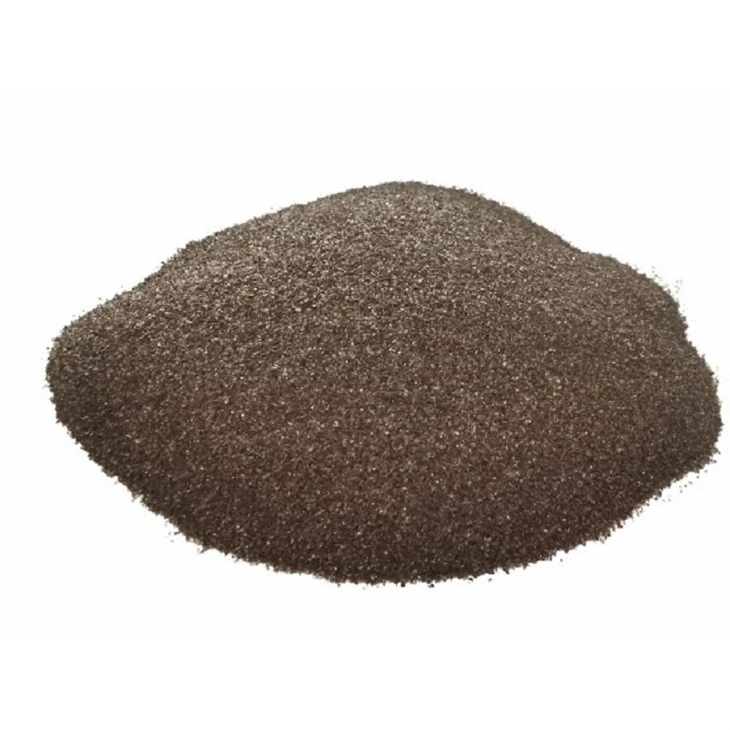
Before we dive into the maintenance part, let's quickly understand what coarse abrasive is. Coarse abrasives are materials with relatively large grit sizes. They're used for heavy - duty tasks like rapid material removal, surface roughening, and initial shaping. Examples of coarse abrasives include Brown Corundum, which is super tough and can handle high - pressure applications.
Regular Cleaning
One of the most basic yet important maintenance requirements is regular cleaning. Coarse abrasives generate a lot of dust and debris during use. If this stuff isn't cleaned up regularly, it can build up in the equipment, causing all sorts of problems.
For example, if you're using a grinder with coarse abrasive wheels, the dust can get into the motor and other moving parts. Over time, this can lead to overheating, increased wear and tear, and even motor failure. To clean the equipment, start by turning it off and unplugging it for safety. Then, use a soft - bristle brush to gently remove the loose dust and debris from the surface. For hard - to - reach areas, you can use compressed air to blow out the dust.
After that, you can use a mild detergent and a damp cloth to wipe down the equipment. Make sure to dry it thoroughly before using it again. This simple cleaning routine can significantly extend the lifespan of your equipment.
Inspection of Abrasive Parts
The abrasive parts of your equipment, such as abrasive wheels or belts, need to be inspected regularly. These parts take the brunt of the work, and any damage or wear can affect the performance of the equipment and even pose a safety risk.
Check for signs of cracks, chips, or uneven wear on the abrasive surface. If you notice any of these issues, it's time to replace the part. For instance, a cracked abrasive wheel can shatter during operation, sending dangerous fragments flying. You should also check the bond strength of the abrasive particles. If the particles are coming loose easily, it means the bond is weakening, and the part may need to be replaced.

Lubrication
Lubrication is another key aspect of equipment maintenance. Moving parts in equipment that uses coarse abrasive, like bearings and gears, need proper lubrication to reduce friction and wear. Without enough lubrication, these parts can overheat, seize up, and cause the equipment to break down.
Use the right type of lubricant recommended by the equipment manufacturer. Different parts may require different lubricants, so make sure you're using the correct one. Apply the lubricant at the recommended intervals. Some equipment may need lubrication after every few hours of use, while others may only need it once a week or month.
Alignment and Tension Checks
Proper alignment and tension are essential for equipment using coarse abrasive. For example, in a belt sander, if the belt isn't properly aligned, it can wear unevenly, causing premature failure. It can also lead to inconsistent sanding results.
Check the alignment of all moving parts regularly. You may need to use alignment tools to ensure everything is in place. Also, check the tension of belts and other components. If the tension is too loose, the belt may slip, and if it's too tight, it can cause excessive wear on the belt and other parts.
Storage
When the equipment is not in use, proper storage is important. Coarse abrasive equipment should be stored in a clean, dry place. Moisture can cause rust and corrosion, especially on metal parts. If possible, cover the equipment to protect it from dust and debris.
Also, store the abrasive parts separately from the equipment. This can prevent damage to both the parts and the equipment. For example, if abrasive wheels are stored next to the grinder and accidentally bump into it, they can get damaged.
Training and Operator Awareness
Last but not least, proper training for operators is crucial. Operators should be aware of the correct way to use the equipment and the importance of maintenance. They should know how to perform basic maintenance tasks like cleaning and inspection.
If operators are not trained properly, they may use the equipment in a way that causes unnecessary wear and tear. For example, using too much pressure or the wrong technique can damage the abrasive parts and the equipment itself.
Conclusion
Maintaining equipment that uses coarse abrasive is a multi - faceted task. Regular cleaning, inspection of abrasive parts, proper lubrication, alignment and tension checks, correct storage, and operator training are all essential. By following these maintenance requirements, you can ensure that your equipment runs smoothly, lasts longer, and provides consistent performance.
If you're in the market for high - quality coarse abrasive, whether it's Sandpaper Abrasive or other types, I'd love to have a chat with you. We've got a wide range of products to meet your specific needs. Feel free to reach out for a procurement discussion, and let's find the best solutions for your operations.
References
- "Industrial Abrasive Handbook"
- Manufacturer's manuals for equipment using coarse abrasive


