


As a supplier of Bearing Steel Sand, I've had the privilege of engaging with a diverse range of industries that rely on this high - performance abrasive material. Bearing steel sand is renowned for its hardness, durability, and excellent cutting ability, making it a popular choice for various surface preparation and finishing applications. However, like any material, it has its limitations. In this blog, I'll delve into the constraints of using bearing steel sand to help you make informed decisions for your projects.
1. High Initial Cost
One of the most significant limitations of bearing steel sand is its relatively high initial cost. The production process of bearing steel sand involves complex steps, including melting high - quality steel, precise shaping, and strict quality control. These processes require advanced equipment and skilled labor, which drive up the cost of production. For small - scale projects or businesses with tight budgets, the high upfront investment in bearing steel sand can be a deterrent.
Compared to other abrasives such as silica sand or garnet sand, bearing steel sand can be two to three times more expensive. This cost factor may force some companies to opt for cheaper alternatives, even though they may not offer the same level of performance. For example, in a small - scale metal fabrication workshop that needs to blast a few pieces of metal parts occasionally, the high cost of bearing steel sand may not be justifiable when a less expensive abrasive can do the job with acceptable results.
2. Limited Availability of Specific Sizes
Bearing steel sand is typically available in a range of standard sizes. However, if your project requires a very specific size or grading of the sand, you may encounter difficulties. The production of bearing steel sand is based on large - scale manufacturing processes, and custom - made sizes often involve additional setup costs and longer lead times.
For instance, in some specialized aerospace applications where the surface finish requirements are extremely precise, a non - standard size of bearing steel sand may be needed. In such cases, finding a supplier who can provide the exact size can be a challenge. Even if a supplier can accommodate the request, the cost of producing the custom - sized sand can be prohibitively high, and the delivery time may not align with the project schedule.
3. Potential for Embedding in Softer Materials
When using bearing steel sand for blasting operations on softer materials such as aluminum or certain plastics, there is a risk of the sand particles embedding themselves in the surface of the material. This can lead to surface contamination and may affect the performance and appearance of the final product.

For example, in the automotive industry, when blasting aluminum engine components with bearing steel sand, the embedded sand particles can cause micro - scratches and increase the surface roughness. These embedded particles may also act as sites for corrosion initiation over time. In addition, for plastic parts that are used in electronic devices, the embedded steel sand can interfere with the electrical properties of the plastic and potentially cause malfunctions.
4. High Dust Generation
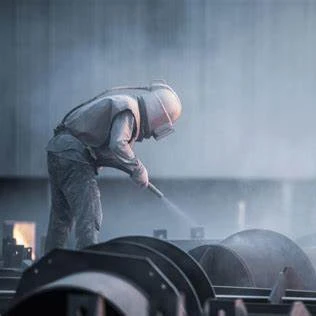
During the blasting process, bearing steel sand can generate a significant amount of dust. This dust can pose health risks to the operators and also create environmental concerns. The dust contains fine particles of steel, which can be inhaled by workers, leading to respiratory problems such as silicosis - like symptoms over long - term exposure.
In addition, the dust can contaminate the surrounding environment, including the air, water, and soil. To comply with environmental regulations, companies need to invest in proper dust collection and filtration systems. These systems add to the overall cost of using bearing steel sand and require regular maintenance to ensure their effectiveness. For example, in a construction site where bearing steel sand is used for surface preparation of concrete structures, the dust generated can spread over a large area, affecting the air quality in the vicinity and potentially causing complaints from nearby residents.
5. Wear on Blasting Equipment
Bearing steel sand is a very hard abrasive, and its use can cause significant wear on blasting equipment. The high - velocity impact of the sand particles against the nozzles, hoses, and other components of the blasting system can lead to rapid deterioration of these parts.
For example, the nozzles used in sandblasting machines are particularly vulnerable. A nozzle that is used with bearing steel sand may need to be replaced more frequently compared to when using a softer abrasive. This increases the operating costs of the blasting process as new nozzles and other worn - out parts need to be purchased regularly. Moreover, the downtime required for equipment maintenance and replacement can disrupt the production schedule and reduce overall productivity.
6. Corrosion Risk in Humid Environments
Bearing steel sand is made of steel, which is prone to corrosion in humid environments. If the sand is not stored properly or if the blasting process is carried out in a high - humidity area, the sand can start to rust. Rusty bearing steel sand loses its effectiveness as an abrasive and can also contaminate the surface being blasted.
For example, in a coastal area where the air is highly humid, if the bearing steel sand is stored outdoors without proper protection, it can quickly develop rust. When this rusty sand is used for blasting, it can leave rust stains on the metal surface, which requires additional cleaning steps to remove. This not only adds to the cost and time of the project but also affects the quality of the final product.
7. Environmental Concerns Related to Disposal
Once the bearing steel sand has been used and has lost its effectiveness, proper disposal becomes a concern. The sand may be contaminated with various substances such as paint, rust, or other debris from the blasting process. Disposing of this waste in an environmentally friendly manner can be challenging and costly.
In many regions, there are strict regulations regarding the disposal of industrial waste. Bearing steel sand that is considered hazardous waste due to its contamination may need to be treated before disposal. This treatment process can involve complex chemical and physical processes, and the cost of treatment can be substantial. For example, if the sand has been used to blast lead - painted surfaces, it may be classified as hazardous waste, and special disposal procedures must be followed to prevent environmental pollution.
Conclusion
While bearing steel sand offers many advantages in terms of its performance and durability, it also has several limitations that need to be carefully considered. The high initial cost, limited availability of specific sizes, potential for embedding in softer materials, high dust generation, wear on blasting equipment, corrosion risk in humid environments, and environmental concerns related to disposal are all factors that can impact the suitability of bearing steel sand for a particular project.
If you are considering using bearing steel sand for your project, I encourage you to evaluate these limitations in the context of your specific requirements. If you have any questions or need more information about our Bearing Steel Sand products, or if you are interested in discussing potential solutions to overcome these limitations, please feel free to reach out to me. We are committed to providing high - quality bearing steel sand and professional advice to meet your needs. You can also explore more about our products by visiting Steel Sand Blasting, GH 25 Steel Grit, and GL 25 Steel Grit.
References
- ASTM International. "Standard Specification for Steel Grit and Steel Shot for Abrasive Blast Cleaning." ASTM A185/A185M - 19.
- European Federation of Abrasive Product Manufacturers (FEPA). "Abrasive Grits and Grains - Specification and Testing." FEPA Standard 42 - G.
- Industrial Blasting Association. "Best Practices for Abrasive Blasting Operations." IBA Technical Report 2021.


