



As a supplier of Carbon Steel Grit, I'm well - versed in its many advantages, such as high hardness, good durability, and excellent cleaning and surface preparation capabilities. However, it's also important to be transparent about its disadvantages. This knowledge allows our customers to make more informed decisions when choosing abrasive materials for their specific applications.
1. Corrosion Susceptibility
One of the most significant drawbacks of using Carbon Steel Grit is its susceptibility to corrosion. Carbon steel contains iron, which reacts with oxygen and moisture in the environment to form rust. When exposed to humid conditions or in applications where the grit comes into contact with water, the rusting process can start relatively quickly.
Rust not only reduces the effectiveness of the Carbon Steel Grit but can also cause problems for the surface being treated. For example, in Steel Grit Blasting operations, if the grit starts to rust during the blasting process, it can transfer rust particles onto the workpiece. This can lead to premature corrosion of the treated surface, especially if it's not properly protected afterward.
To mitigate this issue, additional steps need to be taken. The storage environment of Carbon Steel Grit must be carefully controlled. It should be stored in a dry, well - ventilated area, preferably in sealed containers. During the blasting process, the humidity of the working environment needs to be monitored. In some cases, dehumidifiers may be required to maintain a low - humidity atmosphere. These additional precautions increase the overall cost and complexity of using Carbon Steel Grit.
2. High Initial Cost
Compared to some other abrasive materials, Carbon Steel Grit has a relatively high initial cost. The manufacturing process of Carbon Steel Grit involves multiple steps, including melting, atomization, and heat treatment. These processes require specialized equipment and a significant amount of energy, which drives up the production cost.
For small - scale operations or businesses with limited budgets, the high cost of purchasing Carbon Steel Grit can be a major deterrent. They may opt for cheaper alternatives such as silica sand or aluminum oxide, even though these materials may not offer the same performance as Carbon Steel Grit.
However, it's important to note that while the initial cost is high, Carbon Steel Grit can be reused multiple times in many applications. This reuse potential can offset the high initial investment to some extent. But for companies that need to purchase large quantities of abrasive materials upfront, the high cost remains a significant disadvantage.
3. Dust Generation
When using Carbon Steel Grit in blasting operations, a large amount of dust is generated. This dust can pose several problems. Firstly, it is a health hazard to the operators. Inhalation of the dust can cause respiratory problems, including lung diseases such as silicosis if the dust contains silica impurities. Even in the absence of silica, the fine metal particles in the dust can irritate the respiratory tract and cause long - term health issues.
Secondly, the dust can contaminate the working environment. It can settle on equipment, tools, and surfaces in the vicinity of the blasting area, leading to increased maintenance requirements. In some industries, such as the food and pharmaceutical industries, the presence of dust can be a serious problem as it can contaminate products and violate strict hygiene standards.
To address the dust issue, proper dust collection systems need to be installed. These systems are expensive to purchase and maintain. They also require regular cleaning and filter replacement to ensure their effectiveness. The need for such systems adds to the overall cost of using Carbon Steel Grit.
4. Limited Applicability in Some Sensitive Applications
Carbon Steel Grit is a relatively hard abrasive material. While this hardness is an advantage in many applications where a high - impact cleaning or surface preparation is required, it can be a disadvantage in some sensitive applications.
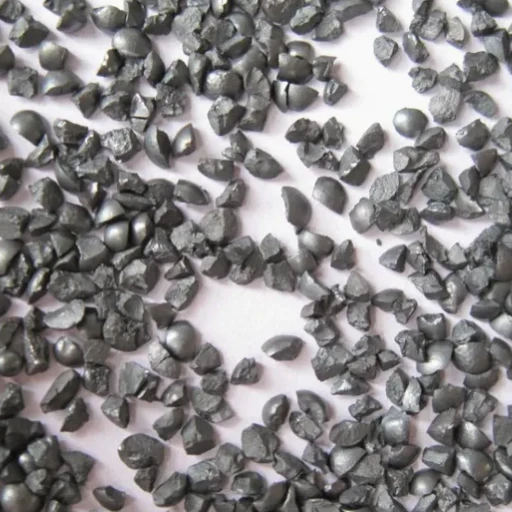

For example, in the aerospace industry, where the surfaces of components are often made of lightweight and delicate materials such as aluminum alloys or composite materials, using Carbon Steel Grit can cause damage. The high - impact force of the grit can scratch or deform the surface of these sensitive materials, affecting their performance and integrity.
Similarly, in the restoration of historical artifacts or antique items, the use of Carbon Steel Grit is often not suitable. These items require a gentle cleaning process to preserve their original appearance and structure. The harshness of Carbon Steel Grit can cause irreversible damage to these precious objects.
In these cases, softer abrasive materials such as walnut shells or baking soda are preferred. These materials can achieve a more gentle cleaning effect without causing damage to the sensitive surfaces.
5. Environmental Impact
The production and use of Carbon Steel Grit have certain environmental impacts. The manufacturing process of Carbon Steel Grit consumes a large amount of energy, mainly in the form of electricity and fossil fuels. This energy consumption contributes to greenhouse gas emissions and global warming.
In addition, the disposal of used Carbon Steel Grit can also be a problem. Once the grit has reached the end of its useful life, it cannot be easily recycled in all cases. If it is contaminated with rust or other impurities, the recycling process becomes more complicated and costly. In some cases, the used grit may end up in landfills, which takes up valuable landfill space and can potentially leach harmful substances into the soil and groundwater.
To reduce the environmental impact, efforts can be made to improve the energy efficiency of the manufacturing process. Recycling programs can also be established to ensure that as much used Carbon Steel Grit as possible is recycled. However, these measures require additional investment and resources.
6. Wear on Equipment
Carbon Steel Grit is a hard and abrasive material, which means it can cause significant wear on the blasting equipment. The nozzles, hoses, and other components of the blasting system are constantly in contact with the grit during the operation. Over time, this contact can lead to abrasion and damage to these parts.
The wear on the equipment not only reduces its service life but also increases the maintenance cost. Regular replacement of worn - out parts is necessary to ensure the proper functioning of the blasting equipment. This can be a significant expense for companies that rely on Carbon Steel Grit for their blasting operations.
In conclusion, while Carbon Steel Grit offers many benefits, it also has several disadvantages that need to be carefully considered. The corrosion susceptibility, high initial cost, dust generation, limited applicability in sensitive applications, environmental impact, and wear on equipment are all factors that can affect its suitability for different projects.
If you're still interested in learning more about Carbon Steel Grit or are considering using it for your specific application, we're here to help. We can provide detailed information about how to mitigate these disadvantages and make the most of the advantages of Carbon Steel Grit. Whether you're involved in Pretreatment Steel Grit processes or need GP 18 Steel Grit for a particular job, we can offer tailored solutions. Contact us to start a procurement discussion and find out how Carbon Steel Grit can best meet your needs.
References
- ASTM International. (20XX). Standards related to abrasive materials.
- Industrial Blasting Handbook. (20XX). A comprehensive guide to blasting operations.
- Environmental Impact Studies on Abrasive Manufacturing. (20XX). Research reports on the environmental effects of abrasive production.


