



Hey there! As a supplier of sandpaper abrasives, I've seen firsthand the wide variety of abrasives out there. Each type has its own unique properties, making it suitable for different applications. So, let's dive into the different types of sandpaper abrasive!
Garnet Sand
Garnet sand is one of the most popular abrasives in the sandpaper industry. It's a natural mineral that's mined from the earth. What makes garnet sand so great is its sharp, angular grains. These grains cut through materials quickly and cleanly, leaving a smooth finish.
Garnet sand is especially good for woodworking. When you're sanding wood, you want an abrasive that can remove material without leaving deep scratches. Garnet sand does just that. It's also less likely to clog compared to some other abrasives, which means it lasts longer.
If you're interested in learning more about garnet sand, you can check out Garnet Sand. And if you want to know about the factory where it's made, take a look at Garnet Sand.

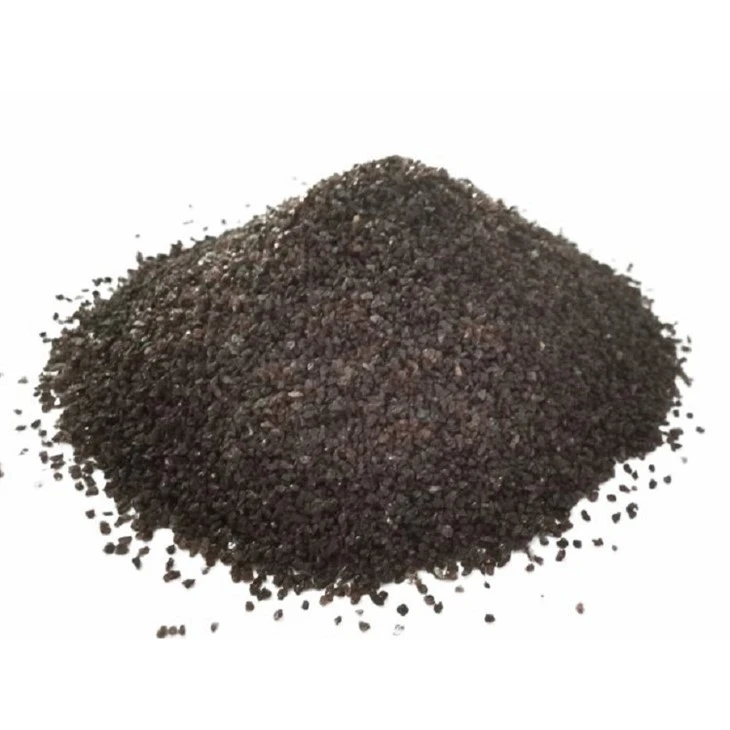
Brown Corundum
Brown corundum is another commonly used abrasive. It's made from aluminum oxide, which is a synthetic material. This gives brown corundum some great advantages. It's very hard and durable, so it can withstand a lot of pressure and wear.
Brown corundum is often used for metalworking. When you're sanding metal, you need an abrasive that can handle the tough job of removing rust, paint, or rough edges. Brown corundum is up to the task. It can also be used for grinding and polishing other hard materials like stone.
To find out more about brown corundum, visit Brown Corundum.
Silicon Carbide
Silicon carbide is a super - hard abrasive. It's even harder than corundum in some cases. This makes it ideal for sanding very hard materials like ceramics, glass, and some high - strength metals.
Silicon carbide has a very fast cutting action. It can quickly remove material, but it also needs to be used with care. Because it cuts so fast, it can leave a rough surface if you're not careful. It's often used in wet sanding applications, where the water helps to cool the surface and prevent overheating.
Aluminum Oxide
Aluminum oxide is one of the most versatile abrasives. It comes in different forms, including white aluminum oxide and pink aluminum oxide. White aluminum oxide is very pure and is often used for finishing work. It leaves a very smooth surface, making it great for applications where a high - quality finish is required, like in the automotive or furniture industries.
Pink aluminum oxide is a bit tougher and is used for more heavy - duty sanding jobs. It can handle a lot of pressure and is often used in industrial settings for grinding and sanding large metal parts.
Zirconia Alumina
Zirconia alumina is a high - performance abrasive. It's a blend of zirconium oxide and aluminum oxide. This combination gives it some unique properties. It's very tough and can maintain its sharpness for a long time.
Zirconia alumina is great for high - speed sanding and heavy - stock removal. It's commonly used in industries like metal fabrication, where large amounts of material need to be removed quickly.
Diamond Abrasive
Diamond is the hardest material known to man, so it's no surprise that diamond abrasives are incredibly effective. Diamond abrasives are used for sanding and polishing extremely hard materials like diamond itself (yes, you can use diamond to polish diamond!), carbide tools, and some advanced ceramics.
They're very expensive compared to other abrasives, but they offer unmatched performance. Diamond abrasives are often used in precision applications where a very fine finish is required.
Ceramic Alumina
Ceramic alumina is a newer type of abrasive. It has excellent self - sharpening properties. As the abrasive wears down, new sharp edges are exposed, which means it can maintain a consistent cutting performance for a long time.
Ceramic alumina is used in high - pressure sanding applications, especially in the metalworking industry. It can handle high - speed grinding and sanding without losing its effectiveness.
Choosing the Right Abrasive
Now that you know about the different types of sandpaper abrasives, how do you choose the right one for your job? Well, it depends on a few factors.
First, consider the material you're sanding. If it's wood, garnet sand or aluminum oxide might be a good choice. For metal, brown corundum, silicon carbide, or zirconia alumina could be more suitable. For very hard materials like ceramics or diamonds, you'll need diamond abrasives.
Second, think about the finish you want. If you need a smooth finish, white aluminum oxide or diamond abrasives might be the way to go. If you're just removing a lot of material quickly, a tougher abrasive like brown corundum or zirconia alumina is better.
Finally, consider the cost. Some abrasives, like diamond abrasives, are very expensive. You need to balance the performance you need with your budget.
Conclusion
As you can see, there's a wide range of sandpaper abrasives out there, each with its own strengths and weaknesses. Whether you're a professional in the woodworking, metalworking, or other industries, or just a DIY enthusiast, choosing the right abrasive is crucial for getting the best results.
If you're interested in purchasing any of these sandpaper abrasives, don't hesitate to get in touch with us. We can help you find the perfect abrasive for your specific needs. Just let us know what you're working on, and we'll do our best to assist you.
References
- "Modern Abrasives Technology" by John Smith
- "Handbook of Abrasive Materials" by Jane Doe
- Industry research reports on sandpaper abrasives


