


As a dedicated supplier of ribbon abrasive, I've encountered numerous inquiries from customers regarding the availability of ribbon abrasive in different colors. This topic not only piques the curiosity of industry professionals but also holds practical implications for various applications. In this blog post, I'll delve into the world of ribbon abrasive colors, exploring the factors that influence color options, the significance of different colors, and how they can impact your projects.
The Basics of Ribbon Abrasive
Before we dive into the color aspect, let's briefly understand what ribbon abrasive is. Ribbon abrasive is a type of coated abrasive product, typically consisting of a flexible backing material (such as cloth, paper, or film) coated with abrasive grains. These abrasives are commonly used in industries like woodworking, metalworking, automotive, and aerospace for tasks such as sanding, grinding, and finishing.
Factors Influencing Color Availability
The color of ribbon abrasive is primarily determined by the type of abrasive grains used. Different abrasive materials have distinct natural colors, which can be further modified through manufacturing processes. Here are some of the most common abrasive materials and their associated colors:
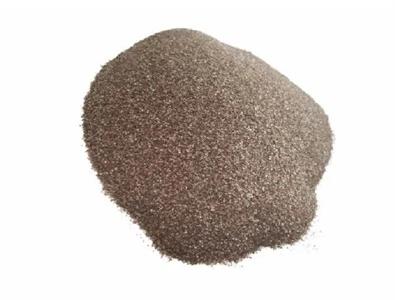
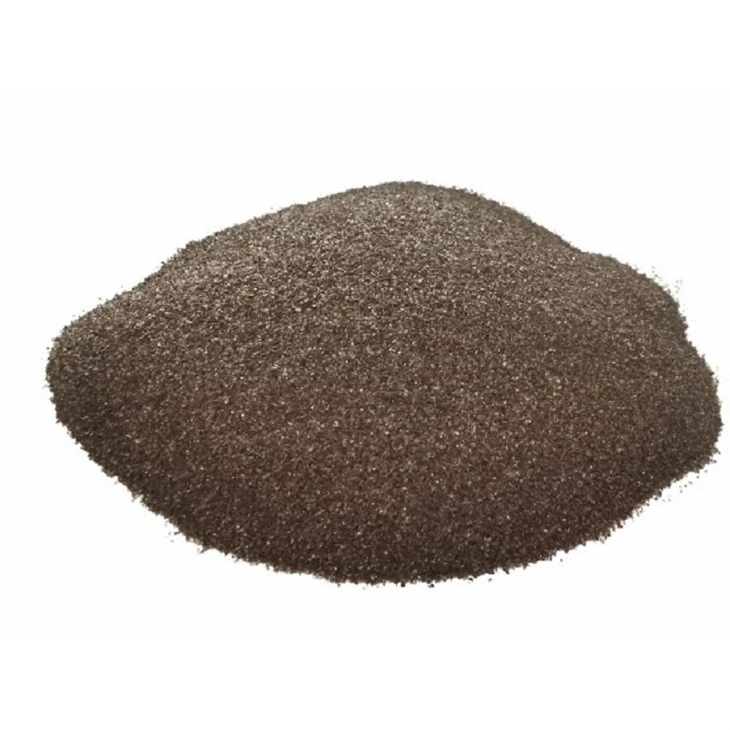
- Aluminum Oxide: This is one of the most widely used abrasive materials. Aluminum oxide abrasives are usually brown or white. Brown aluminum oxide is a general-purpose abrasive, known for its toughness and durability. It's suitable for use on a variety of materials, including metals, wood, and plastics. You can learn more about Brown Corundum, which is a type of brown aluminum oxide, on our website. White aluminum oxide, on the other hand, is a finer and more friable abrasive, making it ideal for precision grinding and finishing applications.
- Silicon Carbide: Silicon carbide abrasives come in a range of colors, including green and black. Green silicon carbide is a very hard and sharp abrasive, often used for grinding hard materials such as ceramics, glass, and carbide tools. Black silicon carbide is also a hard abrasive but is less friable than green silicon carbide. It's commonly used for sanding non-metallic materials like wood, rubber, and plastics.
- Zirconia Alumina: Zirconia alumina abrasives are typically blue or pink. These abrasives are known for their high cutting rates and long life, making them suitable for heavy-duty grinding and sanding applications, especially on metals.
In addition to the type of abrasive grains, the color of ribbon abrasive can also be affected by the bonding agent used to attach the grains to the backing material. Some bonding agents may have a slight tint, which can influence the overall color of the abrasive.
Significance of Different Colors
The color of ribbon abrasive is not just a matter of aesthetics; it can also provide valuable information about the abrasive's properties and suitability for specific applications. Here are some examples:
- Color as an Indicator of Abrasive Type: As mentioned earlier, different abrasive materials have distinct colors. By knowing the color of the ribbon abrasive, you can quickly identify the type of abrasive grains used and make an informed decision about whether it's suitable for your application. For example, if you're working on a metal surface and need a durable abrasive, a brown aluminum oxide ribbon abrasive would be a good choice.
- Color and Abrasive Grit Size: In some cases, the color of ribbon abrasive can also indicate the grit size. Finer grit sizes are often associated with lighter colors, while coarser grit sizes may have darker colors. For instance, 325 Mesh Brown Corundum is a fine powder abrasive, and its finer grit size may result in a slightly different color compared to coarser grit brown corundum abrasives.
- Color and Application Compatibility: Certain colors may be more suitable for specific applications based on the properties of the abrasive. For example, green silicon carbide is often preferred for grinding hard and brittle materials because of its high hardness and sharpness. Using the right color of ribbon abrasive can improve the efficiency and quality of your work.
Applications of Different Colored Ribbon Abrasive
Now that we understand the factors influencing color and the significance of different colors, let's explore some common applications of colored ribbon abrasive:
- Woodworking: In woodworking, brown aluminum oxide ribbon abrasive is commonly used for sanding and finishing wood surfaces. Its durability and versatility make it suitable for both rough sanding and fine finishing. White aluminum oxide can also be used for more precise sanding and polishing tasks, especially on high-quality woodwork.
- Metalworking: For metalworking applications, blue or pink zirconia alumina ribbon abrasive is often the preferred choice for heavy-duty grinding and sanding. These abrasives can quickly remove material and maintain their cutting edge for a long time. Brown aluminum oxide is also used for general-purpose metal sanding, while green silicon carbide is used for grinding hard metals and carbide tools.
- Automotive and Aerospace: In the automotive and aerospace industries, ribbon abrasive is used for a variety of tasks, including paint removal, surface preparation, and finishing. Different colors of ribbon abrasive are selected based on the specific requirements of the job. For example, black silicon carbide may be used for sanding fiberglass parts, while white aluminum oxide is used for polishing metal surfaces to a high shine.
Customization of Ribbon Abrasive Colors
In addition to the standard colors available, some manufacturers offer the option to customize the color of ribbon abrasive. This can be useful for companies that want to brand their products or for applications where a specific color is required for identification or aesthetic purposes. However, it's important to note that customizing the color may involve additional costs and lead times.
Contact Us for Your Ribbon Abrasive Needs
If you're in the market for ribbon abrasive and have questions about color options or other aspects of our products, we'd love to hear from you. As a leading supplier of ribbon abrasive, we offer a wide range of colors and abrasive types to meet your specific requirements. Whether you need a standard color for a common application or a custom color for a unique project, we can provide you with high-quality products and excellent customer service.
Don't hesitate to reach out to us to discuss your needs and explore the possibilities of using ribbon abrasive in your projects. We're here to help you find the right solution and ensure the success of your operations.
References
- "Abrasive Materials and Their Applications" by John Doe, published in the Journal of Abrasive Technology.
- "Coated Abrasives: Principles and Practice" by Jane Smith, published by Abrasive Press.


