



As a supplier of ribbon abrasive, ensuring the safe transportation of our products is of utmost importance. Ribbon abrasives are widely used in various industries for surface finishing, grinding, and polishing, and their safe delivery is crucial to maintaining their quality and performance. In this blog post, I will share some essential tips on how to transport ribbon abrasive safely.
Understanding Ribbon Abrasive Characteristics
Before delving into transportation methods, it's essential to understand the characteristics of ribbon abrasive. Ribbon abrasives are typically made of a flexible backing material coated with abrasive grains. These grains can vary in type, such as Fine Powder Abrasive, White Corundum Abrasive, or 325 Mesh Brown Corundum, each with its own properties and requirements.
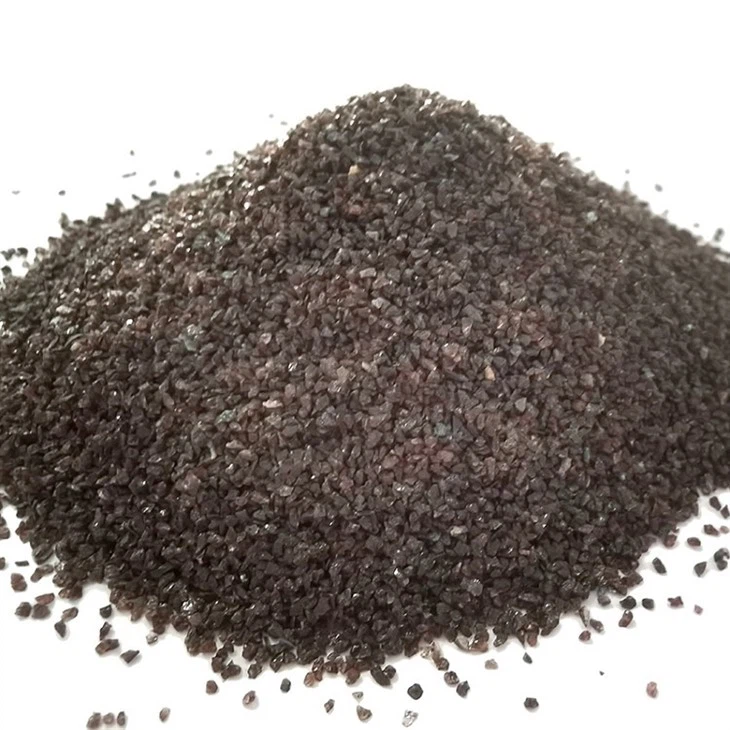

The flexibility of the ribbon can make it susceptible to damage if not handled properly during transportation. Additionally, the abrasive grains can be sensitive to moisture, temperature, and physical impact, which can affect their cutting ability and overall quality.
Packaging Considerations
Proper packaging is the first line of defense in ensuring the safe transportation of ribbon abrasive. Here are some key packaging considerations:
- Selecting the Right Packaging Material: Use sturdy and protective packaging materials that can withstand the rigors of transportation. Corrugated cardboard boxes are a popular choice as they provide cushioning and protection against impacts. For added protection, consider using plastic wraps or foam inserts to prevent the ribbon from shifting or rubbing against other objects.
- Sealing the Packaging: Ensure that the packaging is properly sealed to prevent moisture, dust, and other contaminants from entering. Use high-quality tape to seal all edges and seams of the box. If the ribbon abrasive is particularly sensitive to moisture, consider using moisture-resistant packaging materials or adding desiccant packets to the box.
- Labeling the Packaging: Clearly label the packaging with important information such as the product name, quantity, handling instructions, and any relevant safety warnings. This will help ensure that the package is handled correctly throughout the transportation process.
Handling and Loading
Proper handling and loading techniques are crucial to prevent damage to the ribbon abrasive during transportation. Here are some tips:
- Use Appropriate Handling Equipment: When handling the ribbon abrasive, use equipment such as forklifts, pallet jacks, or conveyor belts that are designed for the weight and size of the packages. Avoid using sharp or abrasive tools that could damage the ribbon or its packaging.
- Load the Packages Carefully: When loading the packages onto the transportation vehicle, stack them in a stable and secure manner. Avoid overloading the vehicle or stacking the packages too high, as this can increase the risk of damage during transit. Use straps or other securing devices to prevent the packages from shifting or falling during transportation.
- Separate Different Types of Abrasives: If transporting different types of ribbon abrasive, separate them into different packages or compartments to prevent cross-contamination. This is especially important if the abrasives have different chemical compositions or properties.
Transportation Environment
The transportation environment can have a significant impact on the quality of the ribbon abrasive. Here are some factors to consider:
- Temperature and Humidity: Ribbon abrasives are sensitive to temperature and humidity changes. High temperatures can cause the backing material to become brittle, while high humidity can lead to rust or corrosion of the abrasive grains. When transporting ribbon abrasive, try to maintain a stable temperature and humidity environment. If necessary, use climate-controlled transportation vehicles or storage facilities.
- Vibration and Shock: Vibration and shock during transportation can cause the ribbon abrasive to become damaged or misaligned. To minimize the impact of vibration and shock, use shock-absorbing materials such as foam or rubber pads when loading the packages onto the transportation vehicle. Additionally, choose a transportation route that is smooth and free of potholes or other obstacles.
- Exposure to Light: Some ribbon abrasives are sensitive to light, which can cause them to degrade over time. When transporting ribbon abrasive, store it in a dark or opaque container to protect it from light exposure.
Insurance and Documentation
In addition to taking precautions to ensure the safe transportation of ribbon abrasive, it's also important to have adequate insurance coverage and documentation. Here are some tips:
- Purchase Insurance: Consider purchasing insurance coverage for your ribbon abrasive during transportation. This will provide financial protection in case of damage, loss, or theft during transit. Make sure to read the insurance policy carefully and understand the terms and conditions before purchasing.
- Maintain Documentation: Keep detailed records of the transportation process, including the date of shipment, the carrier used, the route taken, and any relevant inspection reports. This documentation will be useful in case of any disputes or claims that may arise during or after transportation.
Conclusion
Transporting ribbon abrasive safely requires careful planning, proper packaging, and appropriate handling techniques. By understanding the characteristics of ribbon abrasive and taking the necessary precautions, you can ensure that your products arrive at their destination in good condition. If you have any questions or need further information on transporting ribbon abrasive, please feel free to contact us. We are here to help you with all your abrasive needs.
References
- ASTM International. (2023). Standard Practice for Packaging Abrasive Products for Shipment. ASTM D3322-23.
- International Maritime Dangerous Goods (IMDG) Code. (2023). Guidelines for the Safe Transport of Dangerous Goods by Sea.
- United States Department of Transportation (USDOT). (2023). Hazardous Materials Regulations (HMR).


