



Hey there! As a supplier of G14 Steel Grit, I've seen firsthand how important it is to store this stuff properly. G14 Steel Grit is a high - performance abrasive material used in a bunch of industries, like metalworking, shipbuilding, and automotive manufacturing. So, let's dive into how you can keep your G14 Steel Grit in tip - top shape.
Understanding G14 Steel Grit
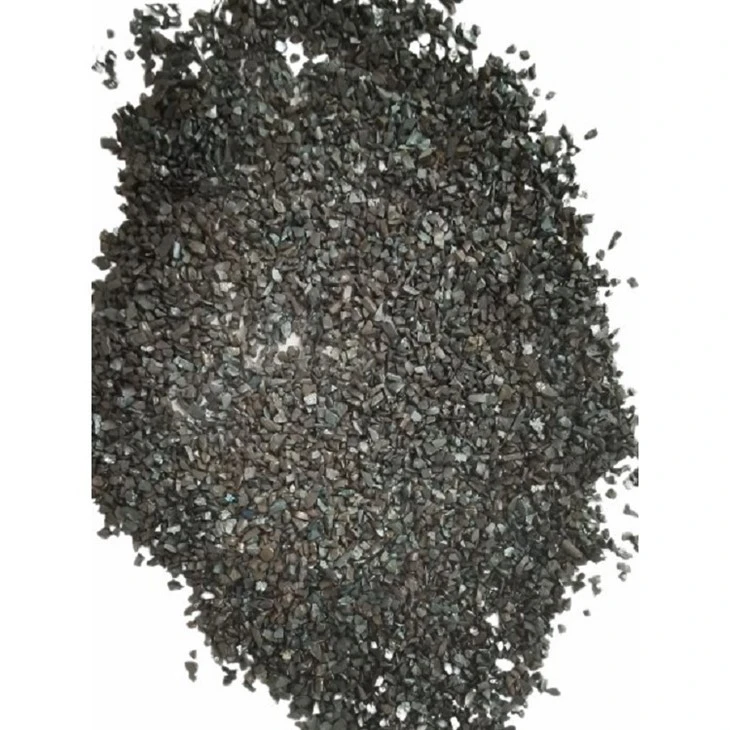
Before we get into storage, let's quickly go over what G14 Steel Grit is. It's a type of steel abrasive with a specific size and hardness. This grit is great for surface preparation, as it can remove rust, scale, and old paint from metal surfaces effectively. You can find different types of steel grits on our site, like [High Hardness Steel Grit](/steel - grit/high - hardness - steel - grit.html), [Coated Steel Grit](/steel - grit/coated - steel - grit.html), and [Bearing Steel Grit](/steel - grit/bearing - steel - grit.html). Each type has its own unique properties and uses, but proper storage is key for all of them.
Storage Location
The first thing you need to think about is where to store your G14 Steel Grit. You want a dry and well - ventilated area. Moisture is the enemy of steel grit because it can cause rusting. If the grit starts to rust, it loses its effectiveness and can even damage the equipment you're using it with.

A warehouse is a great option. Make sure the warehouse has a concrete floor to prevent any moisture from seeping in from the ground. Also, the area should be protected from rain and snow. If you're storing the grit outdoors, you must cover it with a waterproof tarp. But outdoor storage is really a last resort because it's hard to control the environment completely.
Containers
The container you use to store G14 Steel Grit is crucial. You can use large industrial - grade drums or bags made of heavy - duty materials. Drums are great because they're sturdy and can protect the grit from physical damage. If you're using bags, make sure they're sealed properly. A small tear in the bag can let in moisture and contaminate the grit.
Label the containers clearly with the type of grit (in this case, G14), the date of purchase, and the quantity. This will help you keep track of your inventory and ensure you're using the oldest stock first.
Temperature and Humidity Control
As I mentioned earlier, moisture is a big no - no. You should aim to keep the humidity level in the storage area below 60%. You can use dehumidifiers to control the humidity if necessary.
Temperature also plays a role. Extreme temperatures can affect the quality of the steel grit. Try to keep the storage area at a relatively stable temperature, ideally between 10°C and 30°C (50°F and 86°F). Avoid storing the grit near sources of heat, like heaters or boilers, as this can cause the grit to expand and change its properties.
Stacking and Handling
When stacking the containers of G14 Steel Grit, be careful not to stack them too high. Over - stacking can cause the bottom containers to crush, leading to spills and damage to the grit. Leave enough space between the stacks for easy access and ventilation.
When handling the containers, use proper equipment like forklifts or pallet jacks. This will prevent any accidental drops or spills that could contaminate the grit. And always make sure the containers are properly secured during transportation.
Regular Inspections
It's a good idea to do regular inspections of your stored G14 Steel Grit. Check for any signs of rust, moisture, or physical damage to the containers. If you notice any issues, take action immediately. For example, if you find a rusty batch of grit, separate it from the rest and decide whether it can still be used or needs to be discarded.

Inspect the storage area as well. Look for any leaks, signs of water damage, or pest infestations. Pests can chew through the containers and contaminate the grit, so it's important to address any pest problems right away.
Cleaning and Maintenance
Keep the storage area clean. Sweep up any spilled grit regularly. This not only helps prevent contamination but also reduces the risk of slips and falls.
If you're using drums or other reusable containers, clean them thoroughly before refilling them with new grit. This will remove any old grit or debris that could affect the quality of the new batch.
Shelf Life
G14 Steel Grit has a relatively long shelf life if stored properly. But over time, even under ideal conditions, the grit can start to degrade. It's a good practice to rotate your stock and use the oldest grit first. This way, you can ensure that you're always using the best - quality grit in your operations.
Benefits of Proper Storage
Proper storage of G14 Steel Grit has several benefits. First of all, it ensures that the grit retains its quality and effectiveness. This means you'll get better results when using it for surface preparation or other applications.
It also saves you money. When the grit is stored correctly, you don't have to replace it as often due to rust or other damage. And it reduces the risk of equipment damage. Using rusty or damaged grit can cause wear and tear on your blasting equipment, leading to costly repairs.
Conclusion
So, there you have it - a comprehensive guide on how to store G14 Steel Grit properly. By following these tips, you can ensure that your grit stays in great condition and performs at its best. Whether you're a small - scale metalworker or a large industrial manufacturer, proper storage is essential for getting the most out of your G14 Steel Grit.
If you're interested in purchasing G14 Steel Grit or have any questions about our products, feel free to reach out. We're here to help you with all your abrasive needs.

References
- Industrial Abrasives Handbook: Covers general information on abrasive materials and their storage.
- Steel Grit Manufacturing Standards: Provides guidelines on the quality and handling of steel grit products.


