


Abrasive tools are indispensable in various industrial and manufacturing processes, playing a crucial role in shaping, finishing, and polishing materials. As an abrasive supplier, I understand the significance of maintaining these tools to ensure their optimal performance, longevity, and cost - effectiveness. In this blog, I will share some essential tips on how to maintain abrasive tools.
Understanding Abrasive Tools
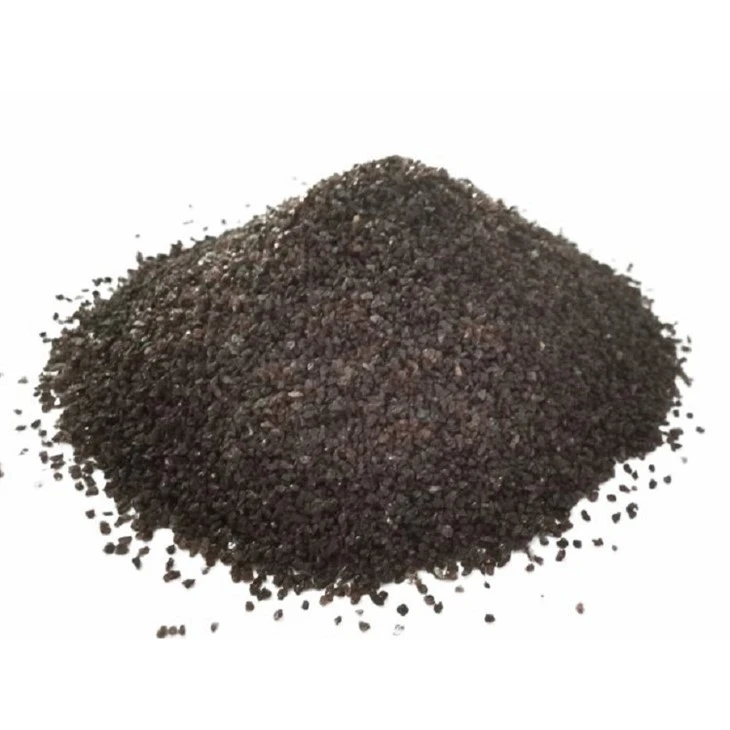
Before delving into maintenance, it's important to have a basic understanding of abrasive tools. Abrasive tools are made up of abrasive grains bonded together by a matrix. The most common abrasive materials include Bearing Steel Sand, Aluminum Oxide Abrasive, and Brown Corundum. Each type of abrasive has its own characteristics, such as hardness, toughness, and cutting ability, which determine its suitability for different applications.
Storage
Proper storage is the first step in maintaining abrasive tools. Abrasive tools should be stored in a dry, clean, and temperature - controlled environment. Moisture can cause the abrasive grains to rust or corrode, especially in the case of metal - bonded abrasive tools. Humidity can also affect the bonding strength between the abrasive grains and the matrix, leading to premature tool failure.
It is advisable to store abrasive tools in a cabinet or a storage rack, away from direct sunlight and sources of heat. Tools should be organized in a way that prevents them from being damaged or deformed. For example, grinding wheels should be stored horizontally on a flat surface to avoid warping.
Inspection
Regular inspection is crucial for detecting any signs of wear, damage, or deterioration in abrasive tools. Before each use, visually inspect the tool for cracks, chips, or uneven wear. A cracked abrasive tool can be extremely dangerous as it may break during operation, causing serious injury.
Check the abrasive surface for signs of glazing or loading. Glazing occurs when the abrasive grains become dull and smooth, reducing the cutting efficiency of the tool. Loading, on the other hand, happens when the chips and debris from the workpiece clog the spaces between the abrasive grains, also impairing the tool's performance.
In addition to visual inspection, it is also recommended to perform a balance check on rotating abrasive tools, such as grinding wheels. An unbalanced tool can cause vibrations, which not only affect the quality of the work but also increase the wear on the tool and the machine.
Cleaning
Cleaning abrasive tools regularly is essential to remove chips, debris, and contaminants that can accumulate on the tool's surface. After each use, use a brush or compressed air to remove loose particles from the abrasive surface. For more stubborn contaminants, a mild cleaning solution can be used, but make sure to rinse the tool thoroughly and dry it completely to prevent corrosion.
For abrasive tools used in wet applications, such as diamond saw blades, it is important to flush the tool with clean water after use to remove any coolant or lubricant residues. Failure to do so can lead to the growth of bacteria and fungi, which can damage the tool and affect its performance.
Dressing and Truing
Dressing and truing are two important processes for maintaining the cutting efficiency and shape of abrasive tools. Dressing is the process of removing the dull or loaded abrasive grains from the tool's surface, exposing fresh, sharp grains. Truing, on the other hand, is the process of restoring the tool's original shape and size.
Dressing can be done using a dressing tool, such as a diamond dresser or a silicon carbide stick. The dressing tool is applied to the abrasive surface while the tool is rotating, removing the dull grains and creating a new cutting surface. Truing is typically done using a truing device, which grinds or shapes the tool to its correct dimensions.
The frequency of dressing and truing depends on the type of abrasive tool, the material being processed, and the operating conditions. In general, abrasive tools should be dressed and trued whenever there is a significant decrease in cutting efficiency or when the tool's shape is distorted.
Handling and Usage
Proper handling and usage of abrasive tools are also important for their maintenance. When handling abrasive tools, always wear appropriate personal protective equipment, such as gloves and safety glasses. Avoid dropping or striking the tool, as this can cause damage to the abrasive grains and the matrix.
During operation, make sure to use the correct speed, feed rate, and pressure for the specific abrasive tool and workpiece. Using excessive speed or pressure can cause the tool to overheat, leading to premature wear and failure. On the other hand, using too low a speed or pressure can result in inefficient cutting and increased tool wear.
It is also important to use the right coolant or lubricant for the abrasive tool and the application. Coolants and lubricants can help reduce heat generation, improve the cutting efficiency, and extend the tool's life. However, make sure to use the coolant or lubricant recommended by the tool manufacturer to avoid compatibility issues.
Sharpening and Reconditioning
In some cases, abrasive tools can be sharpened or reconditioned to restore their cutting performance. For example, some types of files and saw blades can be sharpened using a sharpening stone or a file card. However, not all abrasive tools can be sharpened or reconditioned, and it is important to follow the manufacturer's instructions.
If a tool cannot be sharpened or reconditioned, it may be necessary to replace it. Using a worn - out or damaged abrasive tool can not only affect the quality of the work but also pose a safety risk.

Training and Education
Finally, providing training and education to the operators is essential for the proper maintenance of abrasive tools. Operators should be trained on how to store, inspect, clean, dress, and use the tools correctly. They should also be aware of the safety precautions and the potential hazards associated with abrasive tools.
By investing in training and education, companies can ensure that their operators have the knowledge and skills to maintain the abrasive tools properly, leading to improved productivity, quality, and safety.
Conclusion
Maintaining abrasive tools is a critical aspect of ensuring their optimal performance, longevity, and cost - effectiveness. By following the tips outlined in this blog, including proper storage, regular inspection, cleaning, dressing, truing, handling, and usage, as well as providing training and education to the operators, companies can extend the life of their abrasive tools and achieve better results in their manufacturing processes.
If you are interested in purchasing high - quality abrasive tools or have any questions about abrasive tool maintenance, please feel free to contact us for further discussion and procurement negotiation.
References
- "Handbook of Abrasive Technology" by John C. Aurich, Berend Denkena, and Reimund Neugebauer.
- "Abrasive Machining Processes: Modeling, Monitoring, and Control" by Y. Altintas and M. Brecher.
- Manufacturer's manuals and technical documents for various abrasive tools.


