



Hey there! I'm a supplier of Bearing Steel Sand, and I've been in this business for quite some time. One question I often get asked is, "How should bearing steel sand be transported?" Well, I'm here to share my knowledge and experiences on this topic.
First off, let's talk about why proper transportation of bearing steel sand is so important. Bearing steel sand is used in a variety of industries, including automotive, aerospace, and manufacturing. It's a crucial material for processes like sandblasting, where it helps to clean, polish, and prepare surfaces. If the sand isn't transported correctly, it can get contaminated, damaged, or lose its quality, which can have a big impact on the end product.
Packaging Matters
The first step in transporting bearing steel sand is to make sure it's properly packaged. I always use high - quality, durable bags or containers to hold the sand. The packaging should be able to withstand the rigors of transportation, including vibrations, impacts, and changes in temperature and humidity.

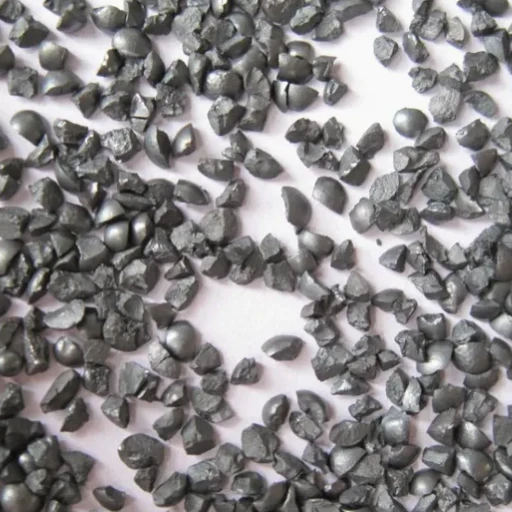
For smaller quantities, I usually go with heavy - duty plastic bags. These are sealed tightly to prevent any leakage. For larger shipments, I prefer using steel drums or bulk containers. They offer better protection and can hold a significant amount of sand. Make sure the packaging is clearly labeled with the type of sand, its specifications, and any handling instructions.
Choosing the Right Transport Mode
When it comes to transporting bearing steel sand, there are several options available:
Trucks
Trucks are one of the most common ways to transport bearing steel sand. They offer flexibility in terms of pick - up and delivery locations. You can get the sand directly from your facility to the customer's site without too many transfers. However, you need to be careful about the road conditions. Rough roads can cause the sand to shift inside the packaging, which might lead to damage. Also, extreme weather conditions like heavy rain or snow can be a problem. If you're using an open - bed truck, make sure the sand is covered with a waterproof tarp.
Railways
Rail transport is a great option for long - distance shipments. It's cost - effective and can handle large volumes of bearing steel sand. Trains are also more environmentally friendly compared to trucks. But there are some drawbacks. You need to have access to a railway siding at both the origin and destination. Also, the transfer process between trucks and trains can be time - consuming and might increase the risk of contamination.
Ships
For international shipments or large - scale domestic deliveries, shipping by sea can be a good choice. Container ships can carry huge amounts of bearing steel sand. However, the transit time is usually longer compared to other modes of transport. You also need to consider the loading and unloading procedures at the ports, which can be complex.
Safety Precautions
Safety is always a top priority when transporting bearing steel sand. Here are some key safety measures:
Handling
When loading and unloading the sand, use proper lifting equipment. Forklifts or cranes are commonly used for moving heavy containers. Make sure the operators are trained and follow all safety protocols. Avoid dropping or mishandling the packages, as this can cause the sand to spill or the packaging to break.
Dust Control
Bearing steel sand can generate dust during transportation, especially if the packaging is damaged. Dust can be a health hazard to the workers and can also contaminate the surrounding environment. To control dust, you can use dust - suppression systems like sprinklers or vacuum cleaners. If possible, transport the sand in a closed - loop system to minimize dust exposure.
Hazardous Materials Regulations
Even though bearing steel sand is not considered a highly hazardous material, it still needs to comply with certain regulations. Make sure you are aware of all the local, national, and international regulations regarding the transportation of industrial materials. This includes proper labeling, documentation, and handling procedures.
Quality Control During Transport
To ensure the quality of the bearing steel sand during transport, you need to implement some quality control measures:
Temperature and Humidity Monitoring
Extreme temperatures and high humidity can affect the quality of the sand. For example, high humidity can cause the sand to clump together, which is not desirable for sandblasting applications. You can use temperature and humidity sensors to monitor the conditions inside the transport vehicle or container. If necessary, take corrective actions like using dehumidifiers or adjusting the ventilation.
Sampling and Testing
Before and after transportation, it's a good idea to take samples of the bearing steel sand and conduct tests. You can test for particle size distribution, hardness, and chemical composition. This will help you ensure that the sand meets the required specifications and that no quality degradation has occurred during transport.
Some Recommended Products
If you're in the market for high - quality bearing steel sand, I'd like to recommend a few of our products. Check out our Sand blasting steel grit GP80, which is great for general sandblasting applications. For more heavy - duty tasks, our Steel Grit abrasive blasting GP25 is a top choice. And if you need a finer grit, our Steel Grit abrasive GH10 is worth considering.
Conclusion
Transporting bearing steel sand requires careful planning and attention to detail. From proper packaging to choosing the right transport mode and implementing safety and quality control measures, every step is crucial. By following these guidelines, you can ensure that your bearing steel sand reaches your customers in the best possible condition.
If you're interested in purchasing bearing steel sand or have any questions about its transportation, feel free to reach out. I'm always happy to discuss your needs and help you find the best solutions. Let's work together to make your projects a success!
References
- Industry standards for the transportation of industrial materials
- Personal experiences and best practices in the bearing steel sand supply business


