



Hey there! As an Alloy Steel Grit supplier, I've seen firsthand how the hardness of the substrate can really mess with the choice of the right steel grit. So, let's dig into this topic and see how it all works.
First off, what's substrate hardness? Well, it's basically how tough the surface you're working on is. Different materials have different hardness levels, and this can have a huge impact on which Alloy Steel Grit you should use.
When the substrate is soft, like some types of aluminum or certain plastics, you don't want to use a super hard steel grit. If you do, you'll end up causing too much damage to the surface. For soft substrates, a finer and less hard grit is the way to go. Take the GP 80 steel grit for example. It's got a relatively lower hardness compared to some other options. This makes it perfect for soft substrates because it can clean and prepare the surface without gouging or scratching it too much. The GP 80 steel grit can remove light rust, scale, and other contaminants from the soft surface, leaving it clean and ready for further treatment, like painting or coating.
On the other hand, when dealing with hard substrates, such as high - strength steel or cast iron, you need a much tougher steel grit. These hard materials can withstand more force without getting damaged. That's where Bearing Steel Grit comes in. Bearing Steel Grit is known for its high hardness and durability. It can effectively blast away heavy rust, thick paint, and even some stubborn weld spatter on hard substrates. The high - energy impact of the Bearing Steel Grit can break through the tough layers on the surface of the hard substrate, providing a clean and rough surface profile that's ideal for proper adhesion of coatings.
Now, let's talk about medium - hardness substrates. Materials like mild steel fall into this category. For medium - hardness substrates, you need a steel grit that strikes a balance between being hard enough to do the job and not too hard to cause excessive damage. The GL 16 Steel Grit is a great choice here. It has a medium - high hardness that allows it to remove medium - level rust and paint from mild steel surfaces. It can also create a good surface profile for coating applications, ensuring that the coating adheres well to the substrate.
Another factor to consider is the shape of the steel grit. When the substrate is hard, angular - shaped steel grits work better. The sharp edges of angular grits can penetrate the hard surface more effectively, removing contaminants and creating a rougher surface for better coating adhesion. For soft substrates, rounded or semi - rounded steel grits are preferred. They are less likely to cause excessive surface damage while still being able to clean the surface.
The size of the steel grit also plays a role. For hard substrates, larger - sized grits can be used. They have more mass and can deliver a greater impact force, which is necessary to remove tough contaminants. Smaller - sized grits are better for soft substrates. They are less likely to cause deep indentations and can provide a more uniform cleaning effect.

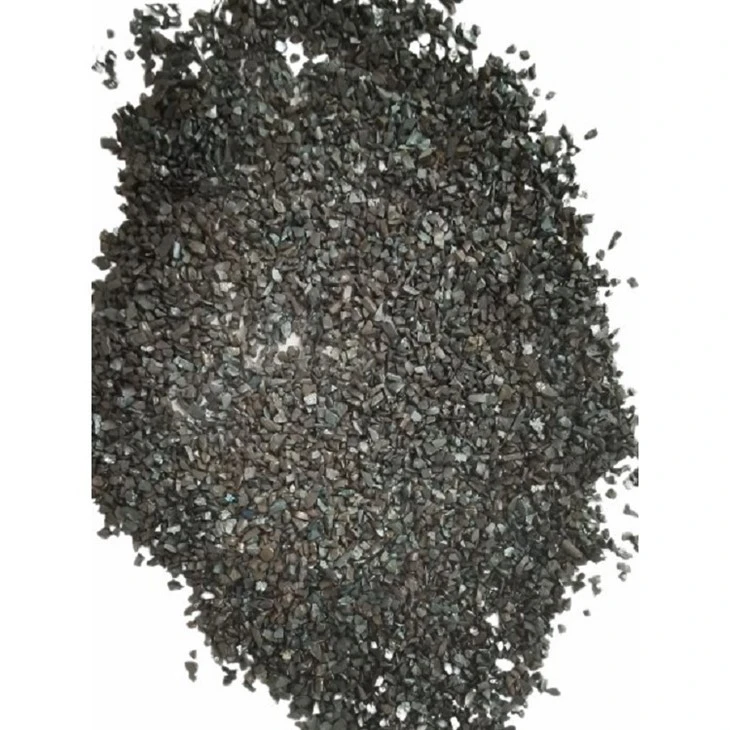
In addition to the immediate cleaning and surface preparation, the choice of steel grit based on substrate hardness also affects the long - term performance of the coating. If you use the wrong grit on a substrate, the coating may not adhere properly. For example, if you use a hard grit on a soft substrate, the surface may be too damaged, and the coating may peel or flake off over time. On the other hand, if you use a soft grit on a hard substrate, the contaminants may not be completely removed, and the coating may not bond well, leading to premature failure.
Let's look at some real - world examples. In the automotive industry, when preparing car bodies (usually made of mild steel, a medium - hardness substrate), the GL 16 Steel Grit is often used. It can clean the surface of the car body, removing old paint and rust, and create a surface that allows the new paint to stick firmly. In the shipbuilding industry, where the hulls are made of high - strength steel (a hard substrate), Bearing Steel Grit is commonly used. It can quickly and effectively remove the heavy rust and marine growth from the hull, preparing it for anti - corrosion coatings.
So, as you can see, choosing the right Alloy Steel Grit based on the hardness of the substrate is crucial. It not only affects the quality of the surface preparation but also the long - term performance of any coatings applied. If you're in the market for Alloy Steel Grit and need help choosing the right one for your specific substrate, don't hesitate to reach out. We're here to assist you in making the best choice for your project. Whether it's a small DIY job or a large industrial application, we've got the expertise and the right products to meet your needs. Contact us for more information and let's start a great business relationship today!
References
- "Surface Preparation and Coating Application Handbook"
- "Metal Finishing and Abrasive Technology"


