



The grit size of ribbon abrasive is a critical factor that significantly influences the grinding result. As a professional ribbon abrasive supplier, I have witnessed firsthand the impact of different grit sizes on various grinding applications. In this blog, I will delve into the relationship between the grit size of ribbon abrasive and the grinding outcome, providing insights based on scientific knowledge and practical experience.
Understanding Grit Size
Grit size refers to the size of the abrasive particles on the ribbon abrasive. It is typically measured in terms of the number of abrasive particles per square inch or the mesh size. A higher grit number indicates smaller abrasive particles, while a lower grit number represents larger particles. For example, a 60 - grit ribbon abrasive has larger particles compared to a 220 - grit one.
Effects of Grit Size on Material Removal Rate
One of the most significant effects of grit size is on the material removal rate. Larger grit sizes, such as those in the range of 16 - 60 grit, are known for their high material removal capabilities. The large abrasive particles can cut through the material more aggressively, removing a substantial amount of material in a relatively short time. This makes them ideal for rough grinding operations, such as removing large amounts of stock from a workpiece, shaping metal parts, or preparing a surface for further processing.
On the other hand, smaller grit sizes, like 180 - 600 grit, have a lower material removal rate. The fine abrasive particles make smaller cuts, removing less material with each pass. However, they are more suitable for finishing operations where precision and a smooth surface finish are required. For instance, when polishing a metal surface to achieve a mirror - like finish, a fine - grit ribbon abrasive is the go - to choice.
Impact on Surface Finish
The grit size of ribbon abrasive also has a direct impact on the surface finish of the workpiece. Coarse - grit abrasives leave behind a rough surface texture. The large particles create deep scratches and grooves on the material surface. While this may be acceptable for some applications where a rough finish is desired or where further processing will be done, it is not suitable for applications that require a smooth and aesthetically pleasing surface.
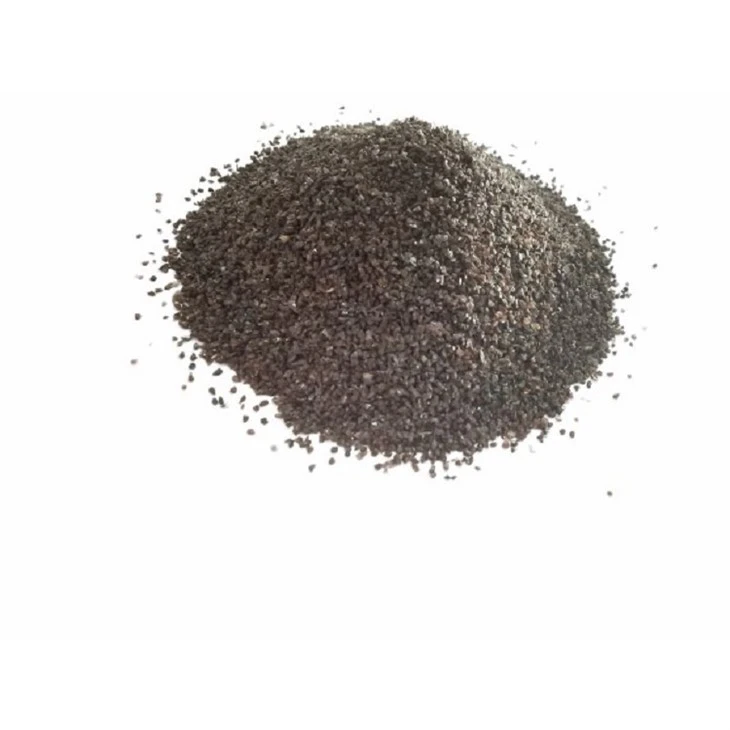
In contrast, fine - grit abrasives produce a smoother surface finish. The small abrasive particles make finer cuts, reducing the size of the scratches and creating a more uniform surface. This is crucial in industries such as automotive, aerospace, and electronics, where a high - quality surface finish is essential for the performance and appearance of the final product.
Influence on Heat Generation
Heat generation during grinding is another important aspect affected by the grit size of ribbon abrasive. Coarse - grit abrasives tend to generate more heat during the grinding process. The large particles make deeper cuts, which require more energy and generate more friction. Excessive heat can cause several problems, including thermal damage to the workpiece, such as warping, cracking, or changes in the material's mechanical properties.
Fine - grit abrasives, on the other hand, generate less heat. The smaller particles make shallower cuts, resulting in less friction and lower energy consumption. This is beneficial for materials that are sensitive to heat, such as certain alloys and plastics. By using a fine - grit ribbon abrasive, the risk of heat - related damage can be minimized.
Choosing the Right Grit Size for Different Applications
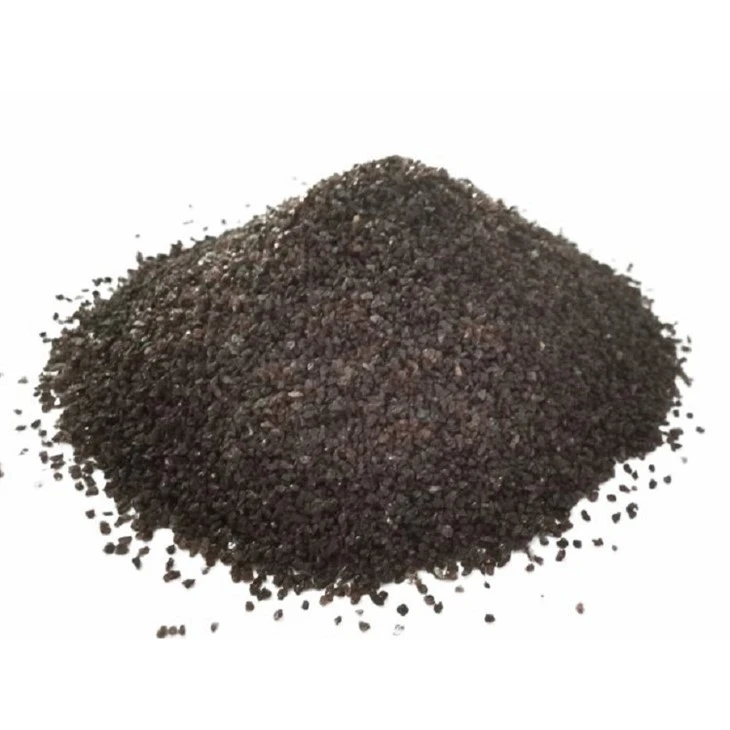
Selecting the appropriate grit size depends on the specific requirements of the grinding application. For initial rough grinding, a coarse - grit ribbon abrasive, such as Brown Corundum, is often the best choice. Brown corundum is known for its high hardness and durability, making it suitable for heavy - duty material removal.
When moving on to intermediate grinding, a medium - grit abrasive can be used to refine the surface and prepare it for the final finishing. A 120 - 180 grit abrasive can help to reduce the roughness left by the coarse - grit grinding and create a more even surface.
For the final finishing and polishing operations, fine - grit abrasives like Aluminum Oxide Abrasive or Green Silicon Carbide Abrasive are recommended. Aluminum oxide is a versatile abrasive that can provide a smooth finish on a variety of materials, while green silicon carbide is particularly effective for grinding hard and brittle materials, such as ceramics and glass.
Case Studies
Let's take a look at some real - world examples to illustrate the impact of grit size on grinding results. In a metal fabrication shop, they were working on a steel component. Initially, they used a 36 - grit ribbon abrasive for rough grinding to quickly remove the excess material and shape the part. This allowed them to save a significant amount of time in the initial stage of the process.
After that, they switched to a 120 - grit abrasive for intermediate grinding to smooth out the surface and reduce the roughness. Finally, they used a 320 - grit aluminum oxide ribbon abrasive for the finishing pass, achieving a high - quality surface finish that met the customer's requirements.
In another case, a glass manufacturing company was polishing glass lenses. They found that using a fine - grit green silicon carbide ribbon abrasive was essential to achieve the desired optical clarity and smoothness. Coarser grits would have left visible scratches on the glass surface, rendering the lenses unusable.
Conclusion
In conclusion, the grit size of ribbon abrasive plays a crucial role in determining the grinding result. It affects the material removal rate, surface finish, and heat generation during the grinding process. By understanding the relationship between grit size and these factors, users can select the most appropriate ribbon abrasive for their specific applications.
As a ribbon abrasive supplier, I am committed to providing high - quality products with a wide range of grit sizes to meet the diverse needs of our customers. Whether you are in the metalworking, woodworking, glass, or other industries, we have the right ribbon abrasive solution for you. If you are interested in learning more about our products or have specific grinding requirements, please feel free to contact us for procurement and further discussions.
References
- "Abrasive Technology Handbook" by John C. Williams.
- "Grinding: Theory and Practice" by Malkin, Stephen.
- Industry research reports on abrasive materials and grinding processes.


