



Yo, what's up everyone! I'm a supplier of steel grit, and today I wanna chat about how steel grit performs in low - humidity environments.
Let's start by getting a basic understanding of steel grit. Steel grit is a type of abrasive material. It's used in a bunch of industries, like metalworking, shipbuilding, and automotive manufacturing. Its main job is to clean, deburr, and prepare surfaces. There are different types of steel grit, like the High Hardness Steel Grit, GH 12 Steel Grit, and GH 16 Steel Grit. Each type has its own unique properties and is suitable for different applications.
Now, let's talk about low - humidity environments. Low humidity means there's not a lot of moisture in the air. You can find these kinds of environments in deserts, some industrial dry rooms, or even in certain regions during the winter. When steel grit is used in such conditions, there are a few things that happen.
Abrasive Performance
First off, in low - humidity environments, steel grit tends to have better abrasive performance. You see, moisture in the air can cause the steel grit particles to clump together. When they clump, they don't work as efficiently. They can't hit the surface as effectively, and it takes longer to get the job done.
But in low - humidity conditions, the steel grit particles stay loose. They can move freely and hit the surface at high speeds. This means they can remove rust, scale, and other contaminants much faster. For example, in a metalworking shop where they're preparing steel parts for painting, using steel grit in a low - humidity environment can cut down the cleaning time significantly. Workers can get more parts done in a shorter period, which is great for productivity.
Wear and Tear
Another important aspect is the wear and tear of the steel grit. In low - humidity environments, the steel grit generally experiences less wear. Moisture can accelerate the corrosion process of the steel grit. When the steel grit corrodes, it loses its sharp edges and becomes less effective as an abrasive.
In a dry environment, there's less risk of corrosion. The steel grit can maintain its shape and sharpness for a longer time. This means you can reuse the steel grit more times before you have to replace it. For industries that use a large amount of steel grit, like the shipbuilding industry, this can lead to significant cost savings. Instead of constantly buying new steel grit, they can make the most out of what they have.
Static Electricity
However, low - humidity environments also bring some challenges. One of the biggest issues is static electricity. When there's not much moisture in the air, static electricity can build up easily. This is a problem because the static electricity can cause the steel grit particles to stick to the equipment or the surface being treated.
For instance, in a sandblasting booth, if static electricity builds up, the steel grit can stick to the walls of the booth or the hoses. This can block the flow of the steel grit and disrupt the operation. To deal with this, some companies use anti - static agents or install static eliminators in their equipment. These measures can help reduce the static electricity and keep the steel grit flowing smoothly.
Dust Generation
Dust generation is another concern. In low - humidity environments, the lack of moisture means that the dust created during the abrasive process doesn't settle easily. The dust can stay in the air for a long time, which is a health hazard for the workers. Inhalation of steel grit dust can cause respiratory problems, like silicosis.
To address this issue, proper dust collection systems are essential. These systems can capture the dust and prevent it from spreading in the workspace. Some advanced dust collection systems use filters to trap the fine dust particles. This not only protects the workers' health but also keeps the working environment clean.
Storage
When it comes to storing steel grit in low - humidity environments, there are also some things to keep in mind. You need to make sure the storage area is dry and well - ventilated. Even though the overall environment is low - humidity, if the storage area has poor ventilation, moisture can still accumulate.
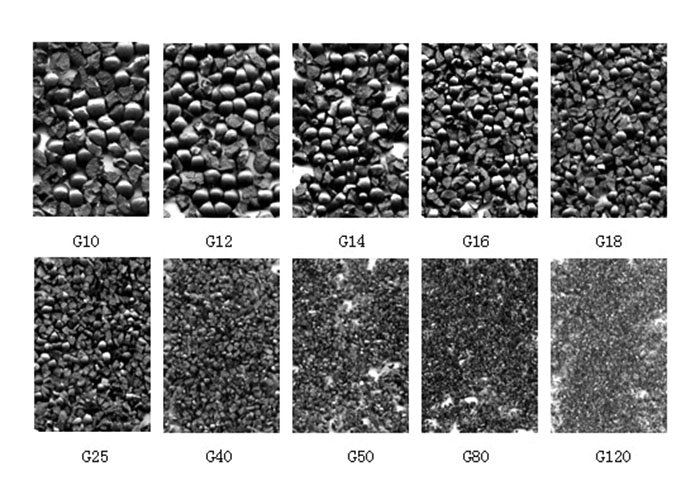

It's also a good idea to store the steel grit in sealed containers. This can prevent any outside moisture from getting in and causing corrosion. And if you're planning to store the steel grit for a long time, you might want to check it periodically to make sure it's still in good condition.
Application Examples
Let's look at some real - world examples of how steel grit performs in low - humidity environments. In the oil and gas industry, pipelines are often exposed to harsh conditions. Before they're coated to prevent corrosion, the pipelines need to be cleaned. In desert regions where the humidity is very low, steel grit is used to clean the pipelines.
The low - humidity environment allows the steel grit to work efficiently, removing the rust and scale quickly. And because there's less wear on the steel grit, the company can save on costs. They can also reuse the steel grit multiple times, which is important considering the large number of pipelines they need to treat.
In the aerospace industry, parts need to be precisely cleaned and prepared. In some manufacturing facilities, they use low - humidity rooms to ensure the best performance of the steel grit. The steel grit can clean the parts thoroughly without the interference of moisture - related issues. This helps in maintaining the high - quality standards required in the aerospace industry.
Conclusion
So, to sum it up, steel grit has both advantages and challenges when used in low - humidity environments. On the one hand, it offers better abrasive performance, less wear and tear, and potential cost savings. On the other hand, it brings problems like static electricity and dust generation.
If you're in an industry that uses steel grit and you're dealing with low - humidity environments, it's important to understand these factors. By taking the right measures, like using anti - static agents and proper dust collection systems, you can make the most out of steel grit.
If you're interested in purchasing high - quality steel grit for your low - humidity applications, I'd love to have a chat with you. Whether you need High Hardness Steel Grit, GH 12 Steel Grit, or GH 16 Steel Grit, I can provide you with the best solutions. Let's start a conversation and see how we can work together to meet your needs.
References
- ASTM International. (2023). Standards related to abrasive materials.
- Industrial Abrasives Handbook. (2022). A comprehensive guide to abrasive applications.
- Journal of Materials Processing Technology. Various articles on the performance of abrasives in different environments.


