



When it comes to abrasive materials, carbon steel grit and garnet abrasive are two popular choices in various industries. As a carbon steel grit supplier, I've had the opportunity to closely observe the characteristics, applications, and performance of both materials. In this blog post, I'll compare carbon steel grit with garnet abrasive to help you make an informed decision for your specific abrasive needs.
Physical and Chemical Properties
Carbon Steel Grit
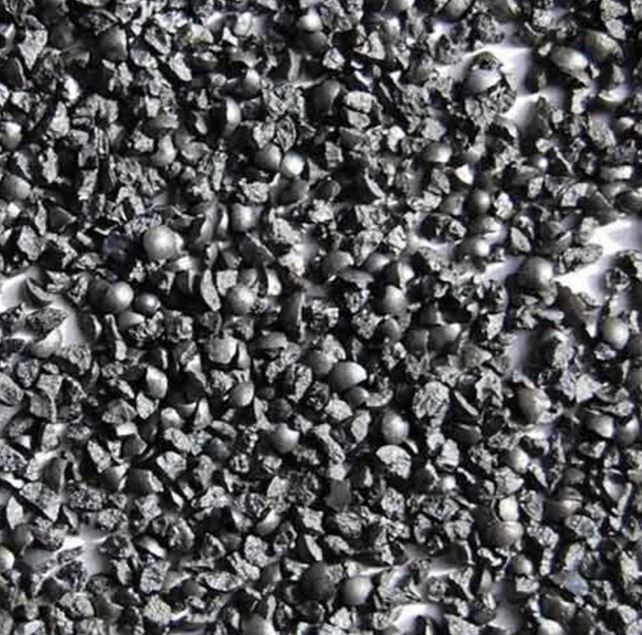
Carbon steel grit is made from high - carbon steel, which is first melted and then atomized to form small, angular particles. These particles are then heat - treated to achieve the desired hardness and toughness. The carbon content in carbon steel grit typically ranges from 0.7% to 1.2%, giving it excellent strength and durability.
The hardness of carbon steel grit can be adjusted according to different heat - treatment processes. Generally, it has a hardness of around 40 - 60 HRC (Rockwell Hardness Scale). This high hardness allows it to effectively remove rust, scale, and old paint from metal surfaces. Carbon steel grit is also known for its high density, which enables it to deliver a powerful impact during the blasting process.
Garnet Abrasive
Garnet is a natural mineral that is mined from the earth. It is composed of various silicate compounds, mainly iron, aluminum, and magnesium silicates. Garnet abrasive has a Mohs hardness of about 7 - 8, which is relatively high compared to many other natural abrasives.
Garnet particles are typically more rounded in shape compared to the angular carbon steel grit. This rounded shape can result in a smoother finish on the surface being blasted. Garnet is also chemically stable, which means it does not react with most substances during the blasting process, making it suitable for use in applications where chemical reactivity is a concern.
Performance in Blasting Applications
Cleaning Efficiency
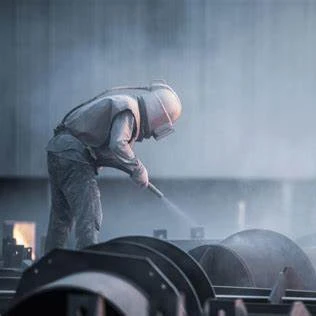
Carbon steel grit is highly effective in removing heavy rust, thick scale, and stubborn coatings. Its angular shape and high hardness allow it to penetrate deeply into the surface and break up the unwanted materials. For example, in the shipbuilding industry, where large steel structures are often covered with thick layers of rust and marine growth, carbon steel grit can quickly and efficiently clean the surfaces. Products like GL 50 Steel Grit are specifically designed for such heavy - duty cleaning tasks.
Garnet abrasive, on the other hand, is better suited for lighter cleaning jobs. It can effectively remove light rust, dust, and thin paint layers. In the automotive industry, garnet is often used to clean engine parts or prepare surfaces for painting. Its rounded particles are less likely to damage the underlying metal surface while still providing a good level of cleaning.
Surface Finish
The surface finish achieved with carbon steel grit is typically rough and textured. This is due to the angular shape of the particles, which creates small indentations on the surface during blasting. A rough surface finish can be beneficial in some applications, such as when preparing a surface for painting or coating, as it provides a better bond for the paint or coating.
Garnet abrasive produces a smoother surface finish. The rounded particles gently abrade the surface, leaving it with a more uniform and polished appearance. This makes garnet a popular choice for applications where a smooth finish is required, such as in the aerospace industry for cleaning and finishing aircraft components.
Recycling and Reusability
One of the significant advantages of carbon steel grit is its high recyclability. After the blasting process, carbon steel grit can be easily separated from the debris and reused multiple times. This not only reduces the overall cost of the blasting operation but also minimizes waste. Our GP 14 Steel Grit is designed to have excellent recyclability, providing long - term cost savings for our customers.
Garnet abrasive, while also recyclable to some extent, has a lower reusability rate compared to carbon steel grit. During the blasting process, garnet particles can break down more easily, especially when used in high - pressure blasting operations. As a result, a larger amount of garnet may need to be replenished over time.
Environmental Impact
Carbon Steel Grit
Carbon steel grit is a man - made product, and its production process does require energy and resources. However, its high recyclability helps to offset some of the environmental impact. Additionally, carbon steel grit does not contain any harmful substances such as heavy metals or asbestos, which are often found in some other abrasives.
Garnet Abrasive
Garnet is a natural resource, and its mining and processing can have an environmental impact. The mining process may involve deforestation, soil erosion, and water pollution. However, many garnet suppliers are now implementing sustainable mining practices to minimize these impacts. Garnet is also non - toxic and does not release harmful dust during the blasting process, which is beneficial for the health and safety of workers.
Cost Considerations
Initial Cost
The initial cost of carbon steel grit is generally higher than that of garnet abrasive. This is because the production process of carbon steel grit involves melting, atomizing, and heat - treating the steel, which requires significant energy and equipment. However, when considering the long - term cost, the high recyclability of carbon steel grit can make it a more cost - effective option.
Overall Cost
As mentioned earlier, carbon steel grit's ability to be reused multiple times can result in lower overall costs for large - scale blasting operations. In contrast, garnet abrasive may require more frequent replenishment, which can increase the overall cost over time. For example, in a large - scale industrial painting project, the use of carbon steel grit like GH 25 Steel Grit can lead to significant cost savings in the long run.
Conclusion
In summary, both carbon steel grit and garnet abrasive have their own unique advantages and disadvantages. Carbon steel grit is more suitable for heavy - duty cleaning, provides a rough surface finish, has high recyclability, and can be cost - effective in the long term. Garnet abrasive, on the other hand, is better for lighter cleaning tasks, produces a smooth surface finish, and has relatively low environmental impact.
If you are looking for a high - performance abrasive for your industrial blasting needs, carbon steel grit may be the ideal choice. As a carbon steel grit supplier, I can offer you a wide range of products with different specifications to meet your specific requirements. Whether you need a product for heavy rust removal or surface preparation for coating, we have the right solution for you.
If you are interested in learning more about our carbon steel grit products or would like to discuss your abrasive needs, please feel free to contact us for a detailed consultation and procurement negotiation.
References
- "Handbook of Abrasive Technology", John Wiley & Sons
- "Industrial Blasting and Coating", Elsevier
- Technical data sheets of carbon steel grit and garnet abrasive products


