



Yo guys! As a supplier of Alloy Steel Shot, I've been getting tons of questions about how it stacks up against other types of shot. So, I thought I'd break it all down in this blog.
Let's first talk about what shot is used for. Shots are commonly used in processes like shot blasting, which is a great way to clean, strengthen, or polish metal surfaces. There are different types of shots out there, such as cast iron shot, stainless - steel shot, and of course, our focus, alloy steel shot.
Cast Iron Shot
Cast iron shot has been around for quite a while. It's relatively cheap to produce, and that's one of its biggest selling points. For some applications where cost is a major factor and you don't need super - high - end performance, cast iron shot can be a good choice.
However, it has its drawbacks. Cast iron is brittle. During the shot - blasting process, it tends to break into smaller pieces more easily compared to alloy steel shot. These broken pieces can lead to inconsistent blasting results. You might end up with uneven cleaning or surface finishing. Also, the abrasion resistance of cast iron shot is not as good as alloy steel shot. This means you'll have to replace it more frequently, which could actually add up to more cost in the long - run.
Stainless - Steel Shot
Stainless - steel shot is known for its high corrosion resistance. If you're working on projects where you need to avoid rusting on the shot itself or on the surface you're blasting, it's a top pick. For example, in the food processing or the medical equipment industries where hygiene is crucial, stainless - steel shot is often the go - to option.
But here's the catch. Stainless - steel shot is more expensive than alloy steel shot. And when it comes to hardness and impact energy, alloy steel shot usually has an edge. In heavy - duty blasting operations that require high - energy impact to clean tough contaminants, alloy steel shot can get the job done more efficiently.
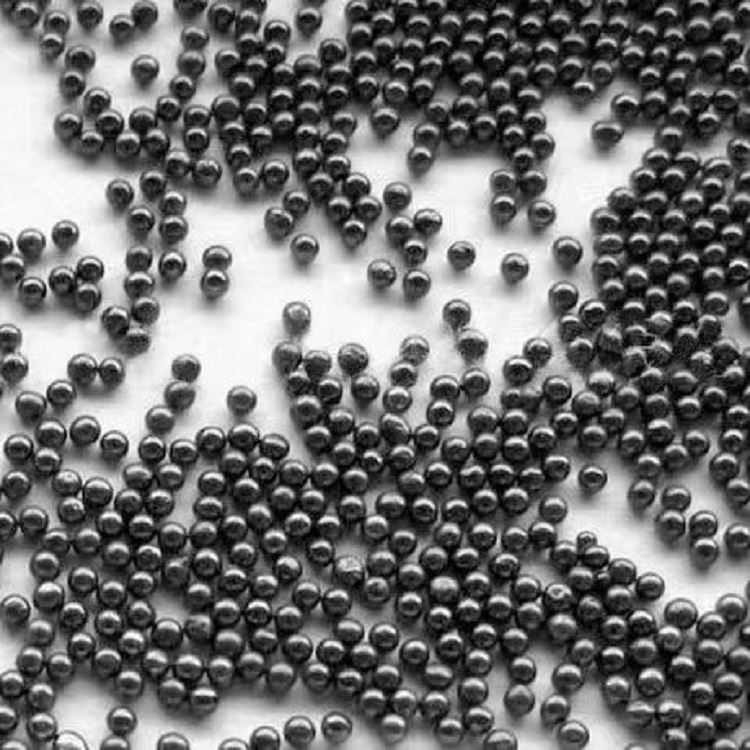

Alloy Steel Shot
Now, let's dive into our star player, alloy steel shot. Alloy steel shot is made by alloying steel with other elements like chromium, nickel, or molybdenum. These additional elements give it some amazing properties.
One of the main advantages of alloy steel shot is its durability. It has excellent abrasion resistance, which means it can withstand a lot of wear and tear during the shot - blasting process. You won't have to replace it as often as cast iron shot, saving you both time and money.
The hardness of alloy steel shot can be adjusted by controlling the alloy composition and the heat - treatment process. This allows us to offer different grades of alloy steel shot to suit various applications. For example, Steel Shot S460 is a relatively hard grade that's great for heavy - duty applications where you need to remove thick rust, scale, or welding spatter. On the other hand, Steel Shot S170 is a softer grade, which is better for more delicate surface finishing tasks, like preparing a surface for painting or coating.
Alloy steel shot also has good strength and toughness. It can deliver high - energy impact without breaking easily, resulting in a more consistent and efficient shot - blasting process. And compared to stainless - steel shot, it offers a better balance between cost and performance in most general - purpose applications.
Another benefit is its low dust generation. During the shot - blasting process, excessive dust can be a health hazard for workers and can also cause environmental issues. Alloy steel shot generates less dust compared to some other types of shot, making the working environment safer and cleaner.
Microstructure and Performance
The microstructure of alloy steel shot plays a crucial role in its performance. A well - engineered alloy steel shot has a uniform and fine - grained microstructure, which contributes to its high strength, toughness, and abrasion resistance. When the shot hits the surface being blasted, the evenly distributed grains can better absorb and distribute the impact energy, reducing the risk of cracking and fragmentation.
In contrast, cast iron shot often has a coarser and less - uniform microstructure. This makes it more susceptible to breakage under impact. The inconsistent microstructure can also lead to variations in the performance of the shot, resulting in less - than - optimal blasting results.
Sizes and Applications
Alloy steel shot comes in a wide range of sizes. Smaller sizes are suitable for applications where a fine finish is required, like finishing internal surfaces of pipes or small parts. Larger sizes, on the other hand, are better for heavy - duty cleaning and descaling of large - scale metal structures.
Whether you're in the automotive industry, shipbuilding, or the construction sector, Alloy Steel Shot can find its place. In the automotive industry, it can be used to clean engine blocks, prepare surfaces for painting, and improve the fatigue resistance of components. In shipbuilding, it's great for removing rust and old paint from the hulls of ships.
Cost - Effectiveness
As mentioned earlier, while the initial cost of alloy steel shot might be a bit higher than cast iron shot, its long - term cost - effectiveness is much better. You'll save on replacement costs, as it lasts longer. And because it can work more efficiently, you'll also save on labor costs and the time taken to complete a project.
Why Choose Our Alloy Steel Shot
We've been in the alloy steel shot business for years, and we know what it takes to produce high - quality shot. We strictly control the manufacturing process, from the selection of raw materials to the final heat - treatment. This ensures that our alloy steel shot meets the highest standards in terms of hardness, toughness, and abrasion resistance.
We also offer excellent customer service. If you're not sure which grade or size of alloy steel shot is right for your application, our team of experts is always ready to help. We can provide you with detailed technical advice and even offer on - site demonstrations.
If you're interested in purchasing alloy steel shot or just want to learn more about it, don't hesitate to get in touch with us. We're here to assist you through the whole process, from choosing the right product to after - sales support. Let's talk and see how our alloy steel shot can meet your specific needs.
References
- ASM Handbook Volume 5: Surface Engineering.
- "Shot Blasting and Peening" by Erich P. Siebel and Richard H. Sigl.


