



Hey there! I'm a supplier of steel abrasives, and today I'm gonna take you behind the scenes to show you how these nifty little things are made. Steel abrasives are super important in a bunch of industries, like metalworking, shipbuilding, and automotive manufacturing. They're used for cleaning, deburring, and surface preparation, so getting the production process right is key.
The Raw Materials
First off, let's talk about the raw materials. The main ingredient for making steel abrasives is, well, steel! We usually start with high - quality scrap steel. This scrap can come from all sorts of places, like old car parts, machinery components, or even construction waste. The cool thing about using scrap steel is that it's a sustainable option, giving new life to materials that would otherwise end up in a landfill.
We carefully select the scrap steel to make sure it has the right chemical composition. We're looking for steel with a proper balance of carbon, manganese, silicon, and other elements. These elements play a huge role in determining the hardness, toughness, and wear resistance of the final steel abrasive product.
Melting Process
Once we've got our scrap steel sorted, it's time to melt it down. We use electric arc furnaces for this. It's like a giant, super - hot pot where the scrap steel goes in. The electric arcs in the furnace generate intense heat, reaching temperatures of around 1600°C (2912°F). At this temperature, the steel turns into a molten liquid, just like a river of shiny metal.
During the melting process, we also add some alloying elements to fine - tune the properties of the steel. For example, if we want a harder abrasive, we might add a bit more chromium or vanadium. We constantly monitor the chemical composition of the molten steel using spectrometers. This helps us make sure we're hitting the right specifications for the type of steel abrasive we're making.
Atomization
After the steel is melted and its composition is just right, we move on to the atomization step. Atomization is a really cool process. We pour the molten steel through a small nozzle at high pressure. At the same time, we blast it with a high - velocity stream of water or air. This sudden impact breaks the molten steel into tiny droplets.
The size of these droplets depends on a few factors, like the pressure of the water or air, the diameter of the nozzle, and the flow rate of the molten steel. We can control these parameters to produce steel abrasives of different sizes. For example, if we want finer abrasives, we increase the pressure of the atomizing medium and use a smaller nozzle.
Cooling and Solidification
As soon as the molten steel droplets are formed, they start to cool and solidify. When we use water for atomization, the droplets cool down very quickly. This rapid cooling is called quenching, and it gives the steel abrasives a hard and brittle structure. On the other hand, if we use air for atomization, the cooling process is a bit slower, resulting in a more ductile and tough abrasive.
The newly formed steel abrasive particles are then collected at the bottom of the atomization chamber. They're still pretty hot at this point, so we let them cool completely before moving on to the next step.
Screening and Classification
Once the steel abrasives are cooled, we need to separate them by size. We use a series of vibrating screens for this. The screens have different mesh sizes, and as the abrasives pass through them, they get sorted into different grades.
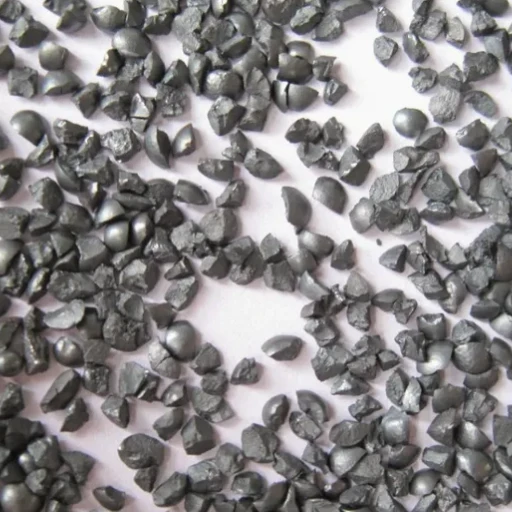
For example, we might have a screen with a large mesh size that lets the bigger particles pass through while retaining the smaller ones. Then, we use a screen with a smaller mesh size to further separate the smaller particles. This way, we can produce different grades of steel abrasives, such as GL 50 Steel Grit, GH 12 Steel Grit, and High Hardness Steel Grit. Each grade has its own specific application, depending on the surface finish and cleaning requirements.
Heat Treatment
Sometimes, we perform heat treatment on the steel abrasives to improve their properties even more. Heat treatment involves heating the abrasives to a specific temperature and then cooling them at a controlled rate.
One common heat - treatment process is tempering. After quenching, the steel abrasives can be a bit too brittle. Tempering helps relieve the internal stresses and makes the abrasives more tough and durable. We heat the abrasives to a temperature below their critical point and hold them there for a certain period of time. Then, we cool them slowly. This process improves the impact resistance of the steel abrasives, making them less likely to break during use.

Surface Conditioning
The final step in the production process is surface conditioning. We want the steel abrasives to have a clean and smooth surface. We use a tumbling process for this. The abrasives are placed in a rotating drum along with some cleaning agents and small media. As the drum rotates, the abrasives rub against each other and the media, removing any surface contaminants and sharp edges.
This surface conditioning not only makes the abrasives look better but also improves their performance. It helps the abrasives flow more evenly during the blasting process and reduces the risk of clogging in the blasting equipment.
Quality Control
Throughout the entire production process, we have strict quality control measures in place. We test the steel abrasives at various stages to make sure they meet our high - quality standards.
We check the size distribution of the abrasives using sieving analysis. We also test the hardness of the abrasives using a hardness tester. Additionally, we perform impact tests to see how well the abrasives can withstand repeated impacts without breaking.
If any batch of steel abrasives fails to meet our quality criteria, we don't send it out. We either re - process it or discard it. This ensures that our customers always get the best - quality steel abrasives for their applications.
Conclusion
So, there you have it! That's how steel abrasives are made. From the selection of raw materials to the final surface conditioning, each step in the process is crucial for producing high - quality steel abrasives.
Whether you're in the metalworking industry looking for a reliable abrasive for surface cleaning or in the shipbuilding business needing to prepare surfaces for painting, our steel abrasives are up to the task. We offer a wide range of products, including GL 50 Steel Grit, GH 12 Steel Grit, and High Hardness Steel Grit, to meet your specific requirements.
If you're interested in learning more about our steel abrasives or want to discuss your procurement needs, don't hesitate to reach out. We're always happy to have a chat and help you find the perfect steel abrasive solution for your business.
References
-ASM Handbook Volume 1: Properties and Selection: Irons, Steels, and High - Performance Alloys
-Industrial Metalworking Handbook: Processes, Materials, and Equipment
-Steelmaking and Refining by The Making, Shaping and Treating of Steel


