



Hey there! As a supplier of Garnet Sand, I often get asked about its potential uses in different industries. One question that's been popping up a lot lately is, "Can Garnet Sand be used in the printing industry?" Today, I'm going to dive into this topic and share my insights.
First off, let's talk a bit about Garnet Sand. It's a natural mineral abrasive that's known for its hardness, sharp edges, and durability. These properties make it a popular choice in a variety of applications, such as waterjet cutting, sandblasting, and filtration. But what about the printing industry?
In the printing world, precision and quality are key. Whether it's offset printing, digital printing, or screen printing, every step of the process needs to be flawless to produce a great end result. That's where Garnet Sand might come in handy.
One possible use for Garnet Sand in the printing industry is in the preparation of printing plates. Printing plates are the surfaces that transfer the ink onto the paper or other printing substrate. Over time, these plates can get worn out or damaged, which can affect the quality of the print. Garnet Sand can be used as an abrasive to clean and resurface the printing plates, removing any debris or scratches and restoring them to their original condition.
Another potential application is in the cleaning of printing equipment. Printing presses and other machinery can accumulate ink, dirt, and other contaminants over time, which can lead to malfunctions and reduced efficiency. Garnet Sand can be used in a sandblasting process to clean the equipment, removing the buildup and ensuring that it runs smoothly.
But before you start using Garnet Sand in your printing operations, there are a few things you need to consider. First of all, you need to make sure that the Garnet Sand you're using is the right grade and quality for the job. Different applications require different particle sizes and hardness levels, so it's important to choose the right product.
You also need to take proper safety precautions when working with Garnet Sand. It's an abrasive material, so it can cause eye and skin irritation if it comes into contact with your body. Make sure you wear appropriate protective gear, such as goggles, gloves, and a respirator, and follow all safety guidelines and regulations.
Now, let's compare Garnet Sand with some other abrasives commonly used in the printing industry. One popular alternative is Silicon Carbide Abrasive. Silicon Carbide is a synthetic abrasive that's known for its high hardness and sharp edges. It's often used in applications where a very fine finish is required, such as in the polishing of printing plates. However, Silicon Carbide can be more expensive than Garnet Sand, and it may not be as effective in removing heavy debris or scratches.
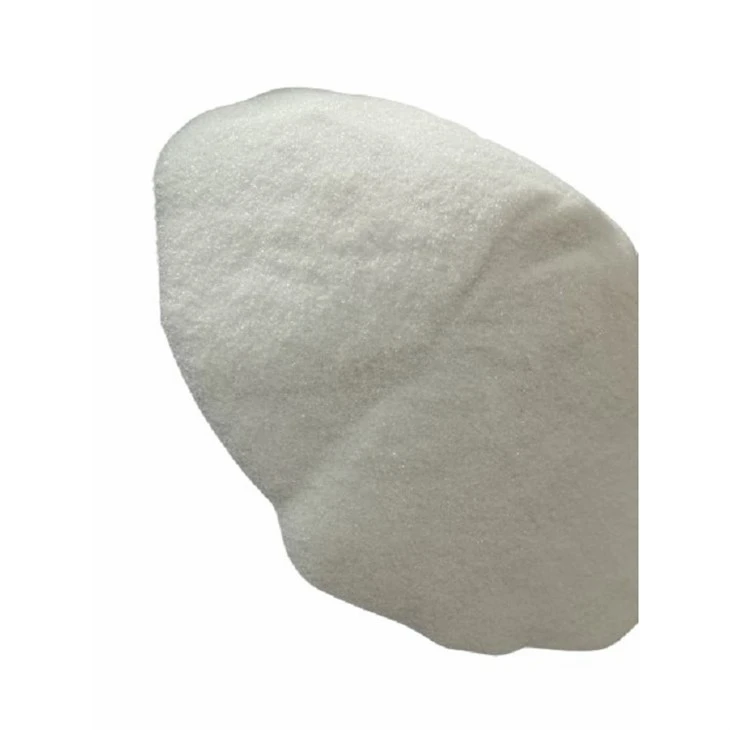

Another option is White Corundum. White Corundum is a natural abrasive that's similar to Garnet Sand in terms of hardness and durability. It's often used in sandblasting applications, as it can remove a wide range of contaminants and provide a smooth finish. However, White Corundum can be more brittle than Garnet Sand, which means it may break down more easily during the sandblasting process.
Finally, there's Brown Corundum. Brown Corundum is another natural abrasive that's commonly used in the printing industry. It's similar to White Corundum in terms of hardness and durability, but it has a coarser particle size, which makes it more effective in removing heavy debris and scratches. However, Brown Corundum can also be more abrasive than Garnet Sand, which means it may cause more damage to the printing plates or equipment if not used properly.
So, which abrasive is the best choice for your printing operations? It really depends on your specific needs and requirements. Garnet Sand is a versatile and cost-effective option that can be used in a variety of applications, but it may not be the best choice for every situation. Silicon Carbide, White Corundum, and Brown Corundum all have their own unique properties and advantages, so it's important to do your research and choose the product that's right for you.
If you're interested in learning more about Garnet Sand and its potential uses in the printing industry, or if you're looking for a reliable supplier of Garnet Sand, please don't hesitate to contact me. I'd be happy to answer any questions you may have and provide you with more information about our products and services.
In conclusion, Garnet Sand can definitely be used in the printing industry, but it's important to use it correctly and choose the right product for the job. By following the proper safety precautions and using Garnet Sand in the right applications, you can improve the quality of your prints, extend the life of your printing equipment, and increase the efficiency of your operations.
References:
- "Garnet Sand: Properties and Applications" - Mineral Abrasives Association
- "Printing Plate Cleaning and Resurfacing" - Printing Industries of America
- "Sandblasting Safety Guidelines" - Occupational Safety and Health Administration


