



Hey there! As a coarse abrasive supplier, I often get asked if coarse abrasive can be used for grinding composites. Well, let's dive right into this topic and find out.
First off, what are composites? Composites are materials made by combining two or more different substances with significantly different physical or chemical properties. They're used in a wide range of industries, from aerospace to automotive, because they offer high strength-to-weight ratios and other unique properties. Now, when it comes to grinding these composites, the choice of abrasive is crucial.
Coarse abrasives, as the name suggests, have larger grit sizes compared to fine abrasives. They're typically used for heavy material removal, shaping, and rough grinding. But can they be used on composites? The answer is yes, but with some important considerations.
One of the main advantages of using coarse abrasives for grinding composites is the speed of material removal. When you're dealing with thick composite parts or need to quickly shape a piece, a coarse abrasive can get the job done much faster than a fine one. For example, if you're working on a large composite panel for an aircraft wing, using a coarse abrasive can help you remove excess material in a relatively short time.
However, there are also some challenges. Composites are often made up of different layers and materials, such as fibers and resins. Coarse abrasives can be quite aggressive, and if not used properly, they can cause damage to the composite structure. The large grits may tear or pull out the fibers, leading to delamination (separation of the layers) or surface roughness that can affect the final performance of the part.
Let's talk about some of the types of coarse abrasives that can potentially be used for grinding composites. One popular option is Garnet Sand. Garnet sand is a natural abrasive that has good cutting ability. It's relatively hard and can be effective for grinding composites, especially when you need to remove a significant amount of material. However, you need to make sure to control the pressure and speed during the grinding process to avoid damaging the composite.
Another option is Glass Beads for Blasting Sandblasting Glass Beads. These beads are often used for surface finishing and can also be used for some light grinding of composites. They're less aggressive than some other abrasives, which can be an advantage when working with delicate composite structures. But they may not be as effective for heavy material removal as coarser abrasives.
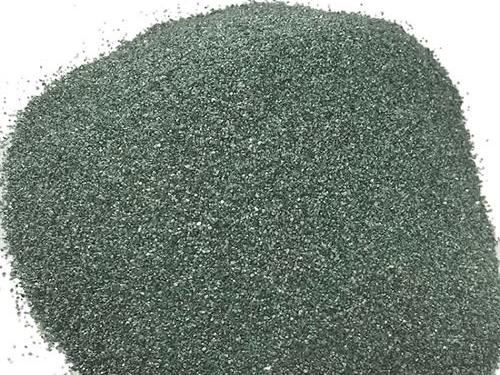
Green Silicon Carbide Abrasive is also a powerful coarse abrasive. It's extremely hard and has excellent cutting properties. This makes it suitable for grinding composites that are made of hard materials or have a high fiber content. But again, due to its high aggressiveness, it requires careful handling to prevent damage to the composite.
To use coarse abrasives effectively for grinding composites, you need to follow some best practices. First, choose the right abrasive grit size based on the specific requirements of the composite and the grinding task. A too-coarse grit may cause excessive damage, while a too-fine grit may take too long to remove the material. Second, control the grinding parameters, such as the speed of the grinding tool, the pressure applied, and the feed rate. These parameters can have a significant impact on the quality of the grinding and the integrity of the composite.

It's also important to use proper safety equipment when working with coarse abrasives. Grinding generates dust, which can be harmful if inhaled. Make sure to wear a dust mask, safety goggles, and appropriate protective clothing.
In conclusion, coarse abrasives can be used for grinding composites, but it's a balancing act. You need to weigh the benefits of fast material removal against the risk of damaging the composite. By choosing the right abrasive, following best practices, and taking proper safety precautions, you can achieve good results when grinding composites with coarse abrasives.
If you're in the market for coarse abrasives for grinding composites or have any questions about our products, don't hesitate to reach out. We're here to help you find the best solution for your specific needs. Whether you're a small workshop or a large industrial manufacturer, we can provide you with high-quality coarse abrasives that meet your requirements.
References
- "Composites Manufacturing Handbook" - A comprehensive guide on the manufacturing processes of composites and related topics.
- "Abrasive Technology and Applications" - A book that covers different types of abrasives and their uses in various industries.


