


Hey there! As a supplier of alloy steel shot, I often get asked a bunch of questions about its applications. One question that pops up quite a bit is, "Can alloy steel shot be used for shot peening turbine blades?" Well, let's dig into this topic and find out.

First off, let's talk a bit about what shot peening is. Shot peening is a cold - working process used to impart compressive residual stresses on the surface of a component. This process is super important for turbine blades. Turbine blades operate in some pretty harsh conditions, like high - temperature and high - stress environments. Compressive stresses from shot peening can significantly improve the blade's fatigue life, resistance to stress corrosion cracking, and overall performance.
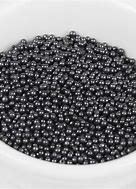
Now, let's get to alloy steel shot. Alloy steel shot is made from high - quality alloy steel materials. It has some great properties that make it a potential candidate for shot peening turbine blades. For starters, alloy steel shot has high hardness. This hardness allows it to effectively impact the surface of the turbine blade during the shot peening process, creating those all - important compressive stresses.
Another advantage of alloy steel shot is its good toughness. Unlike some other types of shot, alloy steel shot doesn't break easily during the peening process. This means less dust generation and longer service life. When you're shot peening turbine blades, you don't want a bunch of broken shot particles getting into the intricate parts of the blade, which could potentially cause damage.
Let's compare alloy steel shot with Cast Steel Shot. Cast steel shot is also commonly used for shot peening. However, alloy steel shot generally has better mechanical properties. Cast steel shot may be more brittle in some cases, leading to a higher breakage rate. In contrast, alloy steel shot can maintain its shape and integrity for a longer time, providing a more consistent peening effect.
When it comes to specific grades of alloy steel shot, S 110 S 230 Alloy Steel Shot is a popular choice. These grades offer a good balance of hardness and size. The smaller sizes like S 110 can be used for peening the more delicate areas of turbine blades, while the larger S 230 can be used for areas that require more intense peening.
S660 Steel Shot is another option. It's a larger - sized shot that can deliver a more powerful peening force. This can be useful for turbine blades that are made of thicker materials or need a deeper layer of compressive stress.
But, of course, using alloy steel shot for shot peening turbine blades isn't without its considerations. One important factor is the surface finish. Different grades of alloy steel shot can produce different surface finishes on the turbine blades. You need to choose the right grade based on the specific requirements of the blade. For example, if the blade has a very smooth surface requirement, you might need to use a finer - grained alloy steel shot.
The peening intensity also matters. The intensity of shot peening is determined by factors like the size of the shot, the velocity of the shot stream, and the exposure time. You have to carefully control these parameters to ensure that the turbine blades get the right amount of compressive stress without over - peening, which could damage the blade.
Another thing to think about is the cleanliness of the alloy steel shot. Contaminants in the shot can transfer to the turbine blade surface during peening. This could potentially affect the blade's performance and lead to premature failure. So, it's crucial to use high - quality, clean alloy steel shot.
In addition, the compatibility between the alloy steel shot and the turbine blade material is essential. Some turbine blades are made of special alloys, and you need to make sure that the shot doesn't cause any chemical reactions or metallurgical changes on the blade surface.
Overall, alloy steel shot can definitely be used for shot peening turbine blades. Its high hardness, toughness, and the availability of different grades make it a versatile choice. However, proper selection, handling, and process control are key to achieving the best results.
If you're in the business of manufacturing or maintaining turbine blades and are considering using alloy steel shot for shot peening, I'd love to have a chat with you. We can discuss your specific needs, the right grade of alloy steel shot for your application, and how to optimize the peening process. Whether you're looking for a small quantity for a test run or a large - scale supply, we've got you covered.
So, don't hesitate to reach out if you have any questions or are ready to start a purchase. Let's work together to ensure your turbine blades get the best shot peening treatment possible.
References
- ASM Handbook Volume 5: Surface Engineering
- Shot Peening Handbook by John H. Black


